
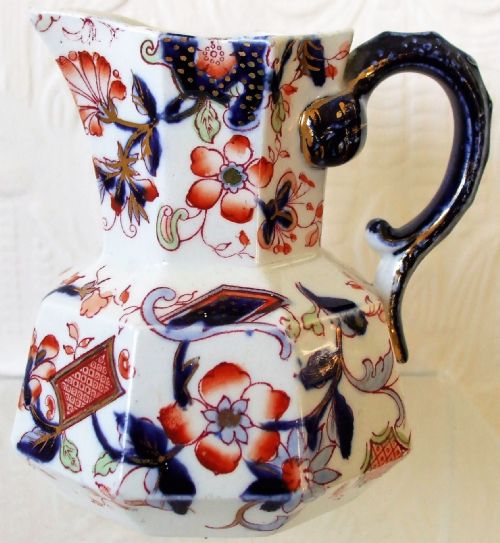
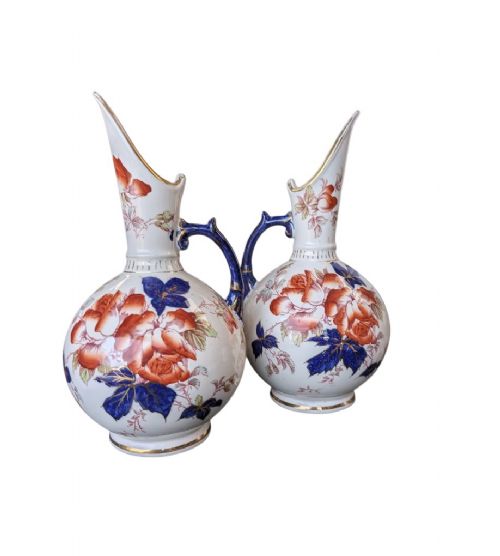
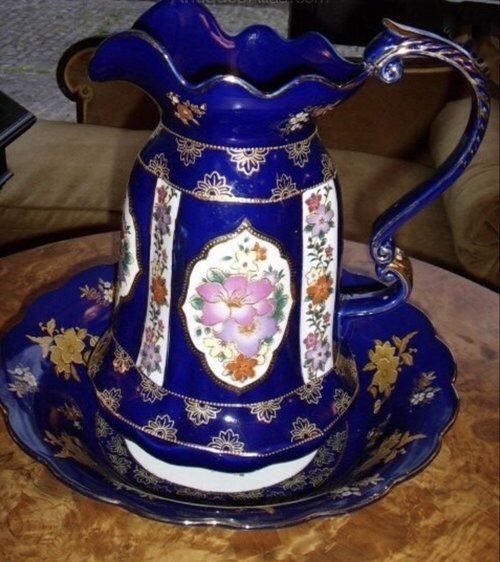
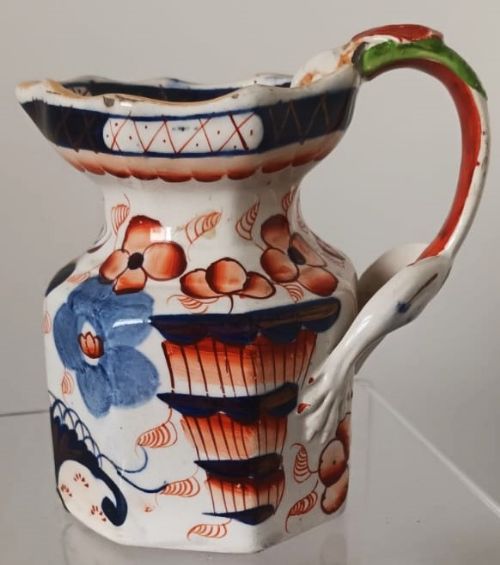
Decorative Ceramic Pitcher
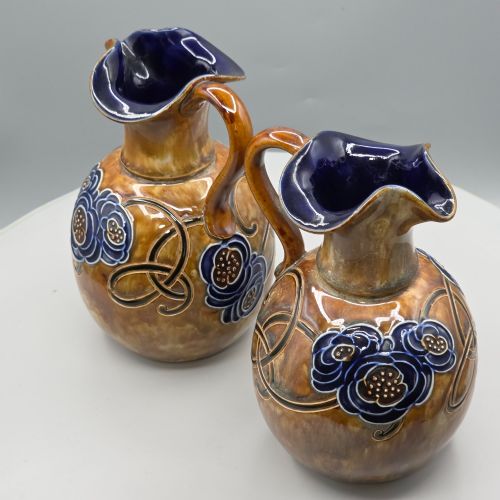
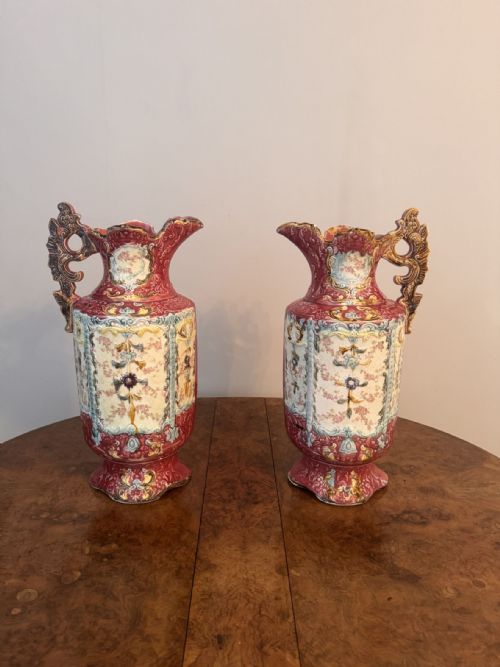
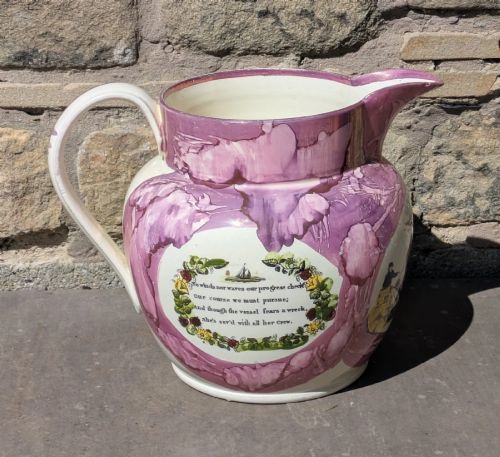
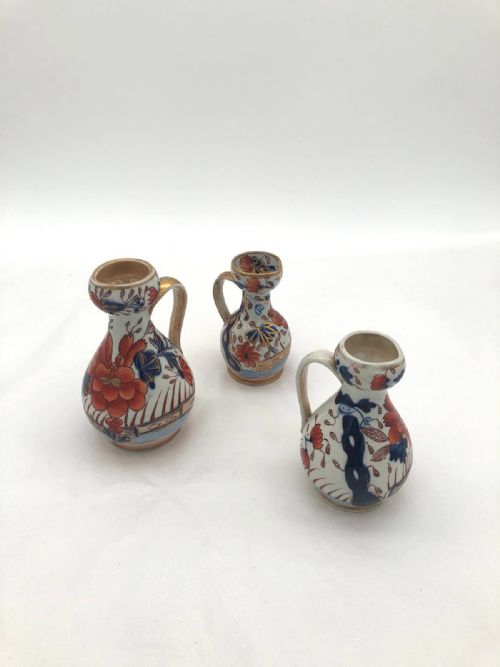
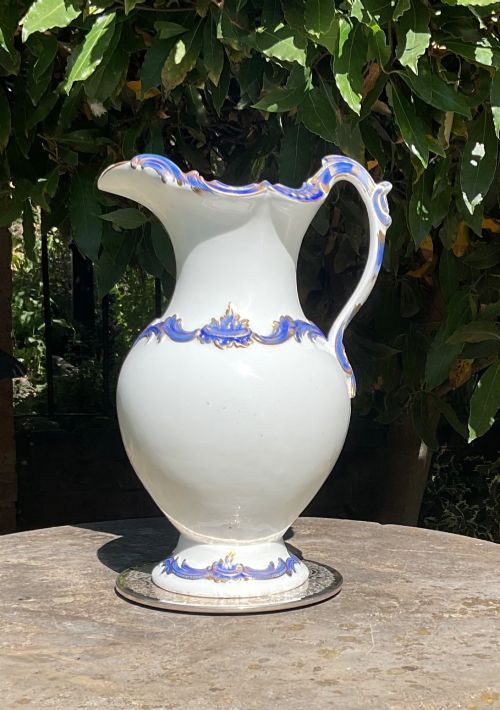
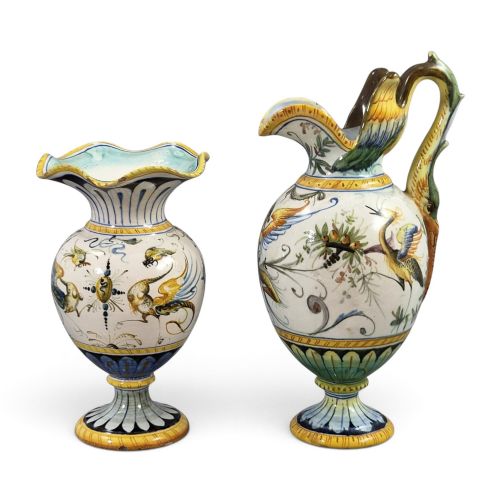
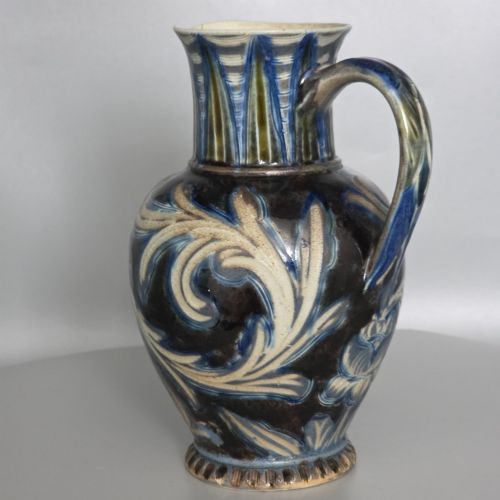
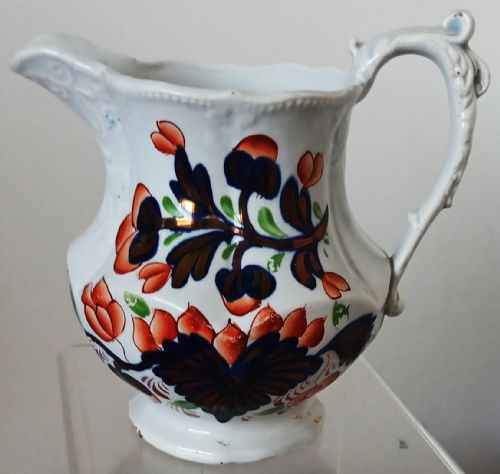
These decorative ceramic pitchers span periods from the nineteenth century to the early twentieth century, offering substantial earthenware, porcelain and stoneware forms for display or functional water service.

Decorative Ceramic Pitcher
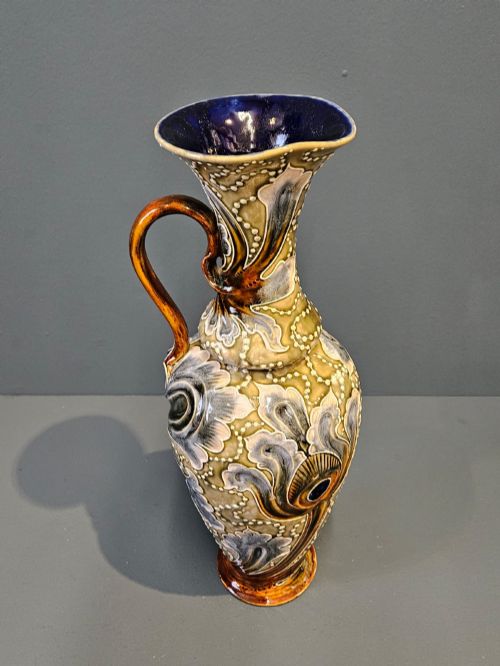
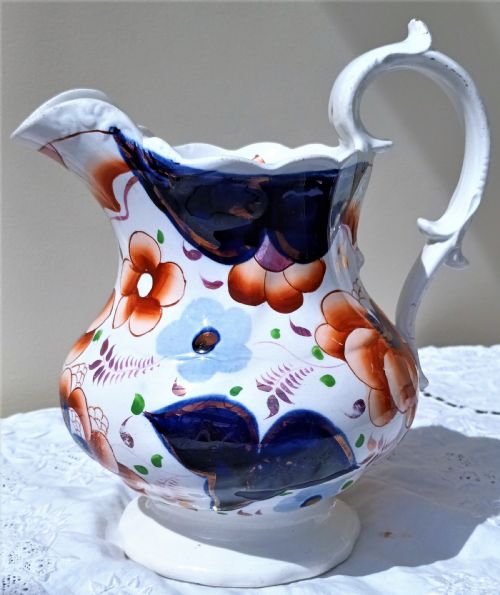
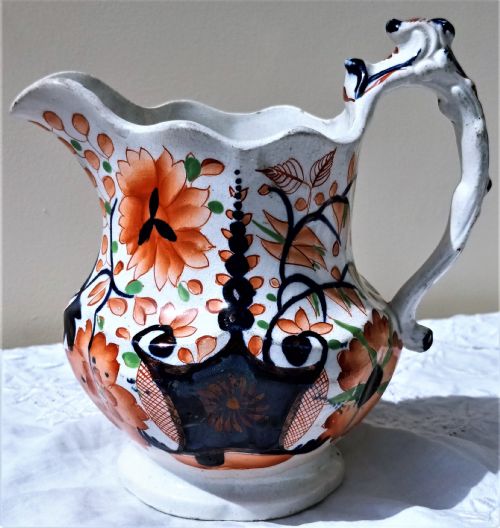
A decorative ceramic pitcher search brings up a varied selection of nineteenth-century and early twentieth-century vessels, including ewers, washstand sets, and majolica or ironstone jugs. These pieces often display specific regional influences such as Persian, Renaissance Revival, or Aesthetic styles.
Buyers will frequently encounter Victorian stoneware from workshops like Doulton Lambeth alongside fine porcelain pieces from factories such as Royal Worcester. Forms range from monumental wine ewers to smaller domestic water jugs and patterned pottery jugs.
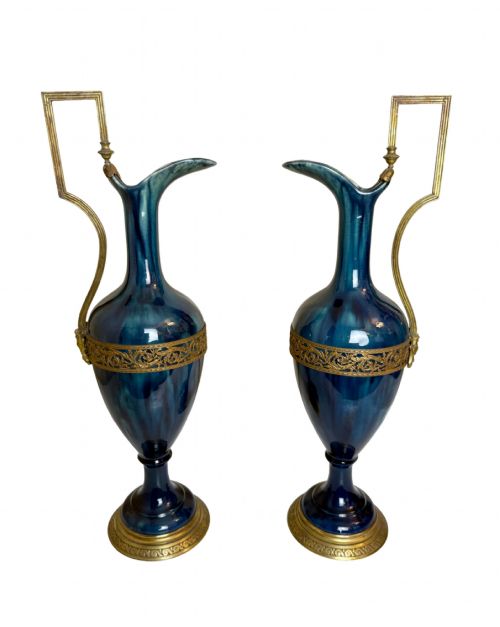
The objects frequently cross over into designated ewer shapes and washstand sets, reflecting both utilitarian origins and purely decorative mantelpiece displays.
Materials and production methods
Potters utilised earthenware, porcelain, and stoneware bodies, often finishing the surfaces with colourful glazes, enamel, or transfer-printed decoration. Many pieces incorporate intricate surface textures created through incising or reticulated piercing.
Decoration frequently includes hand-painting, applied gilding or gold leaf, and raised gold details. Certain items feature specialised techniques such as Majolica glazing, lustre finishes, or slip-trailing.
Handles and trims often showcase sculptural modelling, seen in hound handles, gilt bronze mounts, or hydra-form spouts.
Some nineteenth-century pitchers feature hounds for handles, gamely peering over the rim as if ready to join the hunt.
Distinguishing quality in ceramic pitchers
Quality rests upon the crispness of the moulded or incised detail and the precision of the hand-painted or gilt decoration. Superior examples demonstrate careful control during high-temperature kiln firing, resulting in even glazes and sharp pattern transfers.
The reputation of the maker and the complexity of the form heavily influence the standing of a piece. Elaborate sculptural elements, such as applied metallic trims or reticulated openwork, separate standard production items from masterworks.
Royal Doulton·Mason's·Cantagalli Florence·Doulton Lambeth·Keeling and Co·Grainger Worcester·Royal Worcester·Sir Edmund Elton·Choisy-le-Roi or Sarreguemines·Doulton Burslem·Minton·Royal Crown Derby·Phillips and Bagster
The Decorative Ceramic Pitcher Glossary
- Ewer
- A large pitcher with a wide spout and handle, traditionally used for holding water alongside a basin.
- Majolica
- A type of earthenware covered with an opaque tin glaze and painted with brightly coloured metal oxide pigments.
- Ironstone
- A heavy, durable type of feldspathic earthenware patented in the nineteenth century to imitate porcelain.
- Reticulated
- Describes ceramic work featuring an openwork lattice pattern created by cutting or piercing the clay before firing.
- Lustre
- A metallic sheen applied to the ceramic surface through a secondary firing process using metallic salts.
Decorative Ceramic Pitcher: Frequently Asked Questions
How do I date a ceramic pitcher?
Dating relies heavily upon maker marks stamped or painted on the underside, alongside stylistic cues like Victorian revival motifs or Arts and Crafts movement designs. Material changes, such as the shift from pearlware to ironstone, also help narrow the production era.
Physical characteristics like handle construction and glaze types provide secondary clues for pinning down the decade of manufacture.
Can these pitchers still hold liquids?
Most pieces made of porcelain, stoneware, and glazed ironstone remain fully watertight and functional. However, older earthenware and pieces with extensive interior crazing or hairline cracks are best kept dry to prevent further damage.
Fragile surface decorations like raised gilding and enamel also suggest careful handling rather than heavy daily use.
How should I clean an antique ceramic pitcher?
Dusting with a dry, soft cloth is sufficient for routine maintenance of decorative surfaces. If washing is necessary, use lukewarm water and mild soap, avoiding harsh scrubbing on areas with gilding or enamel.
Submerging pieces with metal mounts or repairs should be avoided entirely.