


19th Century Decorative Jug
These 19th century decorative jug selections encompass earthenware, porcelain, glass and bronze vessels created for display and service.
19th Century Decorative Jug
A 19th century decorative jug search brings up a diverse array of ceramics, glass and metalware designed during the Georgian, Regency and Victorian eras. You will encounter earthenware, porcelain, stoneware and bronze pieces ranging from simple domestic vessels to elaborate revivalist display ewers.
The selection on this page relies heavily on Victorian production, featuring recognisable styles such as Gothic, Renaissance and Rococo revivals alongside Aesthetic Movement pieces. Makers and potteries from Worcester, Derby, Staffordshire and beyond shaped these forms for both utility and ornamentation.
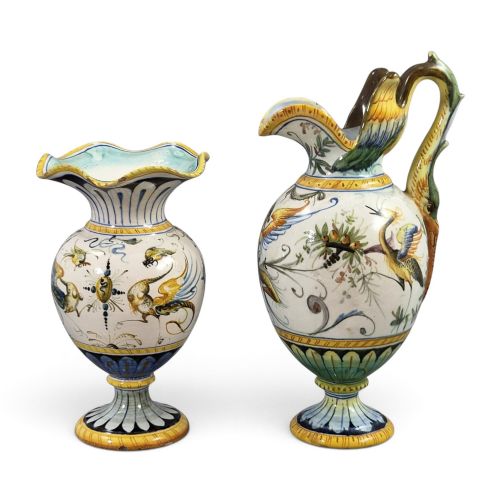
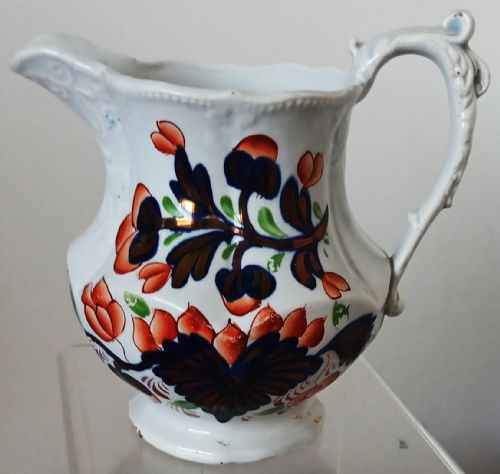
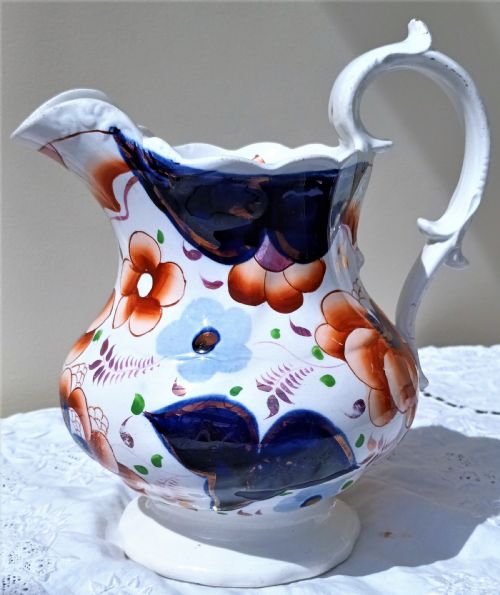
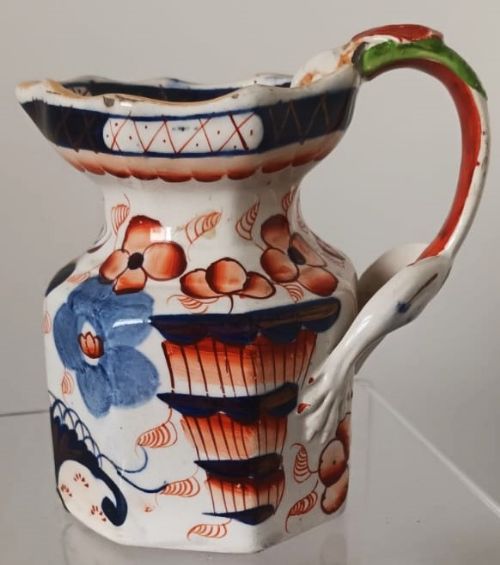
Vessels span functional water pitchers and milk jugs to purely decorative ewers and monumental majolica display pieces. Maritime themes, floral panels, raised gilding and distinct patterns like Gaudy Welsh appear frequently across the available inventory.
Materials and methods
Ceramic pieces utilise earthenware, porcelain, stoneware and majolica, often shaped with moulded relief details or reticulated openwork. Potters applied polychrome glazes, pink lustre, enamel and gold leaf to decorate surfaces before firing.
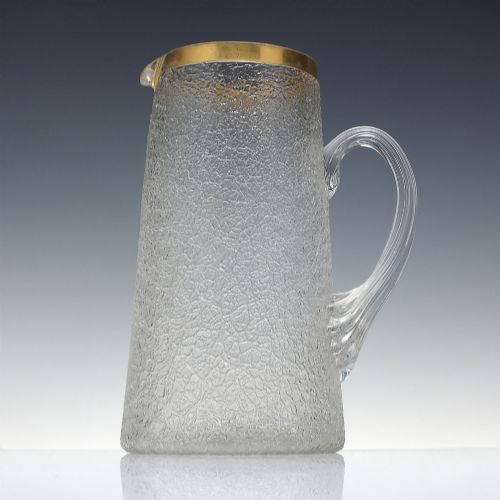
Glass vessels employ techniques like overshot glass and cranberry coloration, sometimes finished with gilded rims or paired with bronze and ormolu mounts. Metal items combine cast bronze and ormolu, while some utilitarian salt-glazed stoneware relies on traditional throwing methods.
Listings feature 19th century decorative jug examples in earthenware, porcelain, glass, bronze and stoneware across Victorian, Georgian and Regency periods.
Judging quality in these vessels
Quality rests in the crispness of moulding, the precision of hand-painted or transfer-printed decoration and the application of gilding and enamel. Finer porcelain and majolica examples display complex relief work and vibrant, unblemished glazes that retain their depth.
The weight and balance of metalwork, such as bronze ewers and ormolu mounts, separate standard production items from finer studio or factory pieces. Intricate details like reticulated porcelain piercing or hound handles indicate a higher standard of craftsmanship.
Cantagalli Florence·Grainger Worcester·Royal Worcester·Doulton Burslem·Rockingham·Minton·Royal Crown Derby·Phillips And Bagster
The 19th Century Decorative Jug Glossary
- Ewer
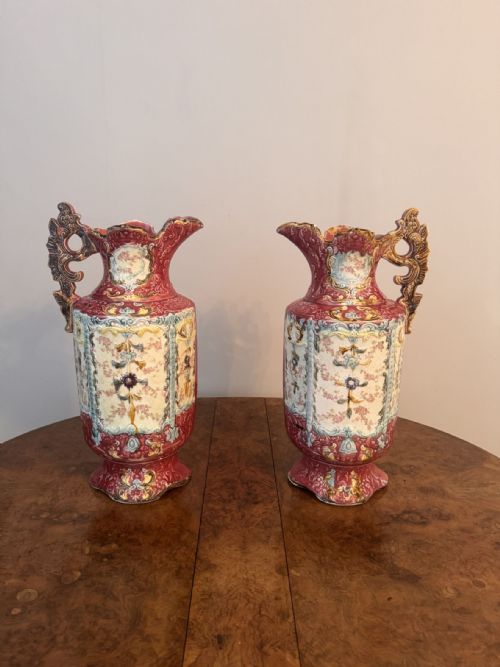
- A large jug or pitcher with a wide spout and a shaped handle, typically used for display or washing rather than everyday service. These decorative vessels often feature elaborate Renaissance or Gothic revival motifs.
- Majolica
- A type of earthenware covered with an opaque tin-glaze and painted with brightly coloured metal oxide pigments. It gained immense popularity during the Victorian period for ornate, sculptural jugs.
- Lustreware
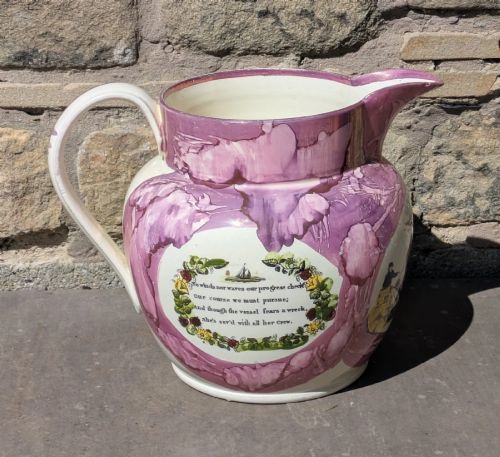
- Pottery decorated with a metallic glaze that produces an iridescent sheen resembling copper, silver or pink gold. It was achieved through a specialised reduction firing technique.
- Gaudy Welsh
- A style of colourful, hand-painted pottery produced in the nineteenth century, characterised by cobalt blue, iron-red, copper lustre and green accents on white earthenware.
- Reticulated
- Describes ceramic ware featuring an openwork pattern created by cutting or piercing the clay body before firing. This delicate technique showcases the skill of porcelain manufacturers.
19th Century Decorative Jug: Frequently Asked Questions
What is Gaudy Welsh pottery?
Gaudy Welsh pottery consists of colourful, hand-painted earthenware items featuring distinct cobalt blue, iron-red and copper lustre decoration. These pieces were made primarily for domestic use in the nineteenth century.
Collectors prize patterns like Grape, Drape, Gwent and Pagoda for their vibrant palettes and folk art charm.
How were majolica jugs used?
Majolica jugs functioned as both serving vessels and decorative table ornaments in wealthy nineteenth-century households. Their heavy tin-glazed earthenware and vivid colour schemes made them striking focal points.
Today, they are primarily displayed on shelves or sideboards to appreciate their sculptural relief work and glossy finish.
Can I use antique water jugs daily?
While nineteenth-century water jugs and pitchers were originally built for functional use, many fine porcelain, glass and lustre pieces are best reserved for display. Older glazes and materials can be sensitive to modern detergents and thermal shock.
If you choose to use a historic jug, hand washing in lukewarm water without harsh chemicals preserves the surface decoration and gilding.