




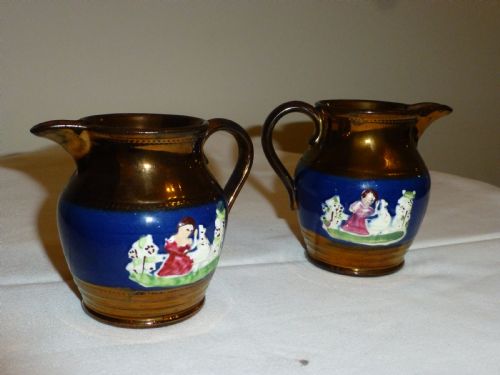


19th Century Copper Lustre
These pieces of 19th century copper lustre bring rich metallic warmth to a room through their striking reflective glaze.
19th Century Copper Lustre
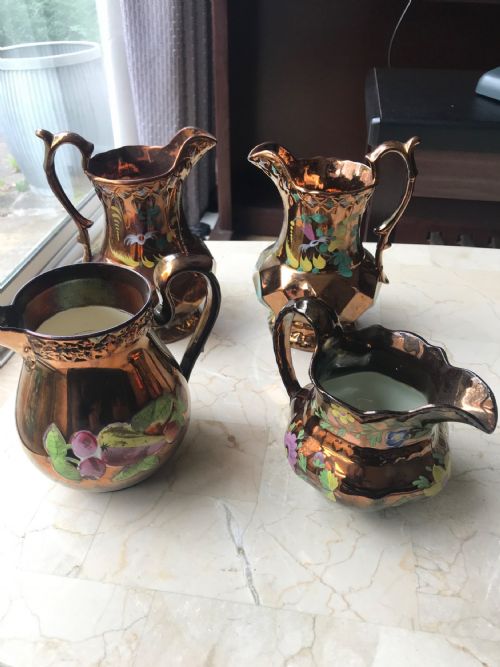
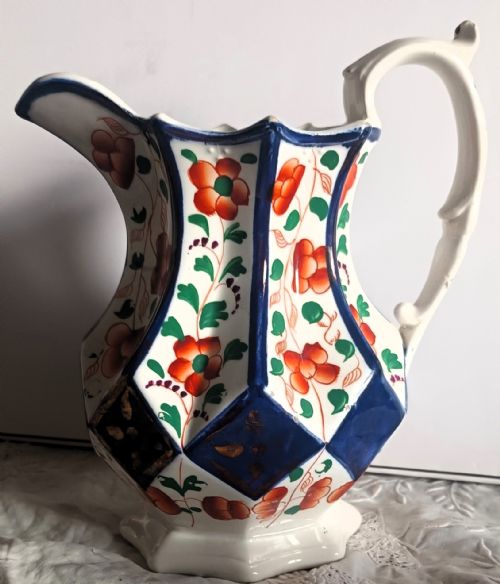
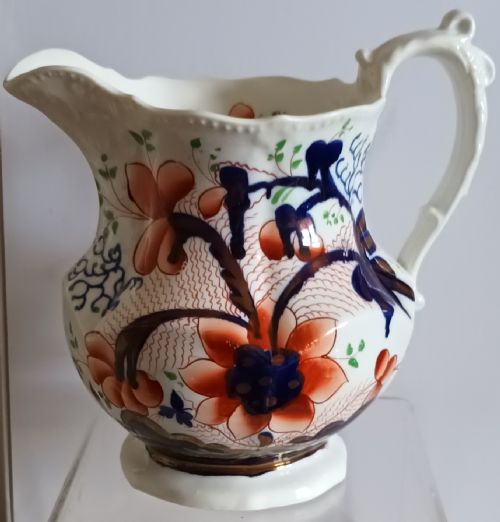
When you search for 19th century copper lustre, you encounter a selection of earthenware and ironstone vessels decorated with a distinct metallic glaze. The most common form on this page is the jug or pitcher, often hand-decorated with fruit or specific patterns.
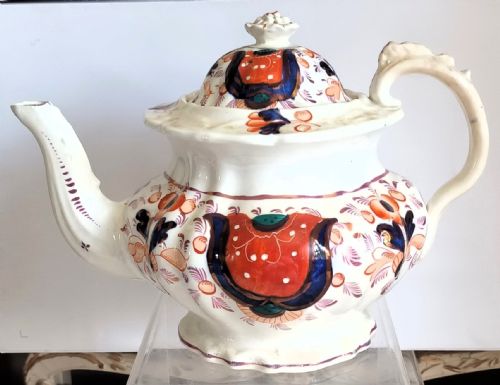
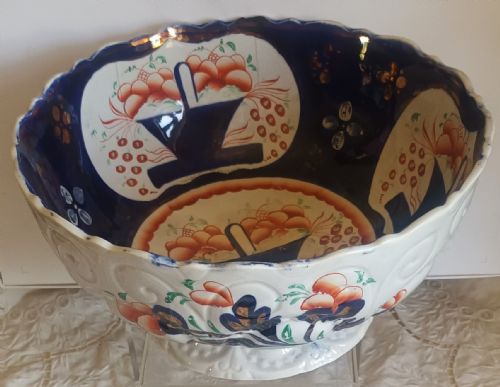
The objects span several decades of the nineteenth century, including Georgian and Victorian periods. Alongside jugs, the selection includes teapots, decorative bowls, basins, teacups and saucers, and decorative figurines such as Staffordshire dogs.
Makers and decorators produced these items within styles such as Victorian, Georgian, Victorian Gaudy Welsh, and Victorian Folk Art. Many pieces display named patterns like Bethesda, Grape, Drape, Basket of Flowers, Harlech, Celyn, and Aberaeron.
How they were made
Potters shaped these objects using ceramic materials including earthenware, pottery, ironstone, and porcelain. Craftsmen then applied a metallic copper lustre glaze to the surface to achieve the characteristic reflective sheen.
Many items received additional hand-painted decoration in enamel colours over the glaze, particularly on Gaudy Welsh patterns and figurative subjects like fruit and spaniels. Firing techniques fixed the metallic compounds onto the ceramic body during production.
Staffordshire potters modelled pairs of ceramic spaniels with copper lustre coats to sit faithfully by Victorian hearths.
What varies in quality
Quality in these pieces rests upon the depth and evenness of the metallic copper lustre glaze across the ceramic body. Superior examples maintain a brilliant, reflective surface without dull patches or uneven pooling.
The 19th Century Copper Lustre Glossary
- Copper lustre glaze
- A metallic glaze containing copper compounds that produces a shiny, reflective bronze or copper finish upon firing. It defines the visual character of these ceramics.
- Earthenware
- A porous pottery body fired at lower temperatures than stoneware or porcelain. It serves as the primary base material for many nineteenth-century jugs and bowls.
- Ironstone
- A durable type of heavy earthenware patented in the nineteenth century. It resists chipping better than standard pottery and provides a sturdy base for lustre decoration.
19th Century Copper Lustre: Frequently Asked Questions
How were copper lustre jugs used?
Households utilised these vessels primarily for serving milk, water, and cream at the table. Their durable earthenware and ironstone construction suited daily domestic service.
Over time, many pieces transitioned into decorative display items due to their bright metallic finish and colourful hand-painted patterns.
How do I identify Georgian pieces?
Georgian examples date from the period spanning the reigns of the early George monarchs through the Regency era. They often exhibit specific potting characteristics and forms associated with late eighteenth and early nineteenth-century manufacture.
Comparing the handle attachment, weight, and base construction against dated pieces helps confirm this earlier origin.
What are Gaudy Welsh patterns?
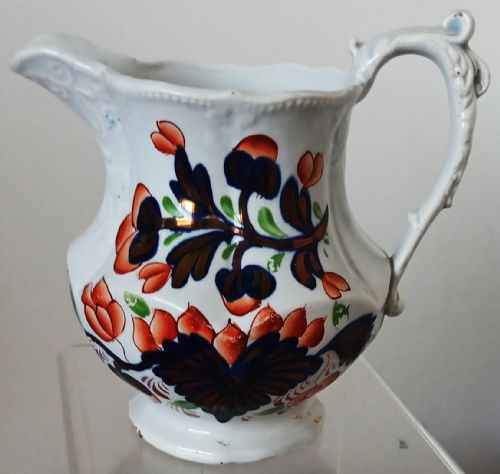
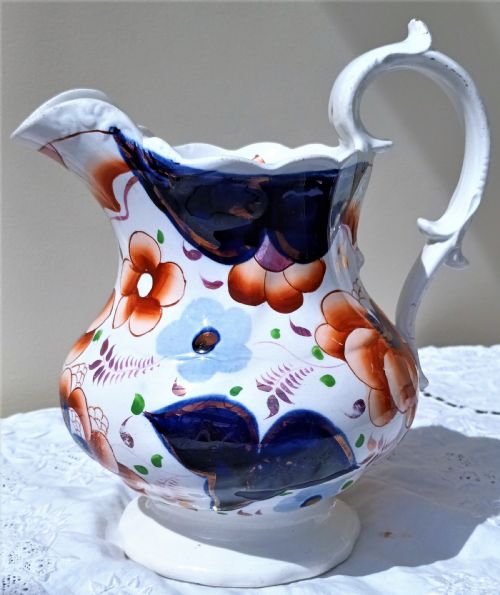
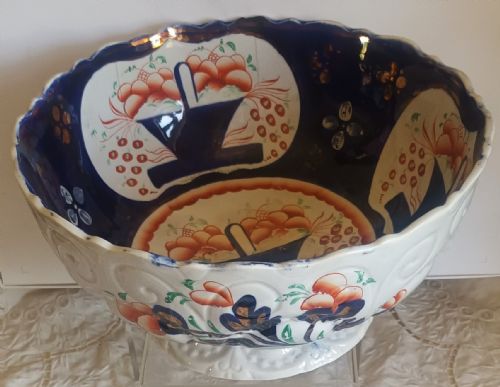
Gaudy Welsh ceramics combine cobalt blue, copper lustre, and bright enamel colours in distinctive folk art motifs. Popular patterns included floral arrangements like the Basket of Flowers and named designs such as Harlech or Celyn.
Potters produced these wares largely for domestic utility and export, particularly to Wales.
How do I care for lustre pottery?
Wash these ceramic items gently by hand using warm water and mild soap. Avoid harsh scourers and abrasive cleaning agents that can wear away the delicate metallic glaze.
Display them away from direct, prolonged sunlight and moisture to preserve the enamel painting and copper surface.