



Antique English Lustre Jug
These antique English lustre jugs bring metallic sheen and hand-painted transfer prints straight from the Georgian and Victorian eras into your home.
Antique English Lustre Jug
When you search for an antique English lustre jug, you encounter earthenware vessels finished with a metallic glaze that catches the light. The pieces span Georgian and Victorian periods, with origins in Staffordshire and Sunderland potteries.
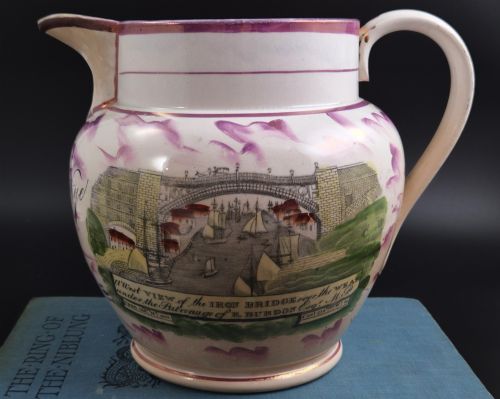
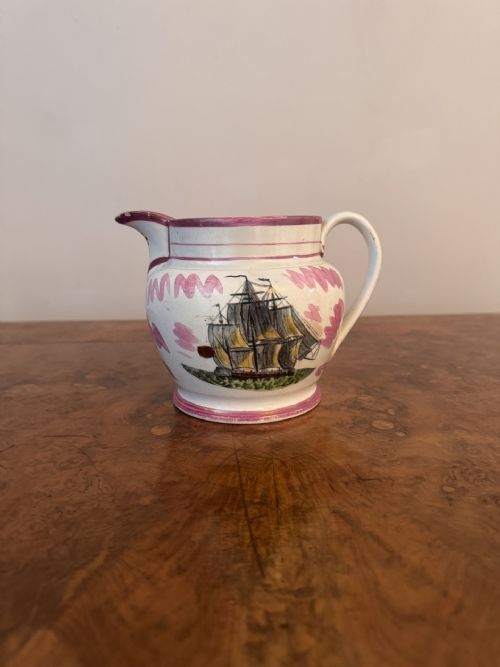
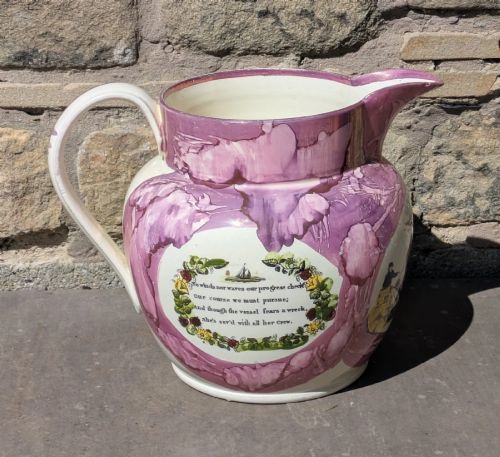
You are most likely to meet sizeable Sunderland jugs featuring pink splash patterns, maritime themes, and poetic panels. Smaller cream jugs and milk jugs in solid copper lustre also appear frequently.
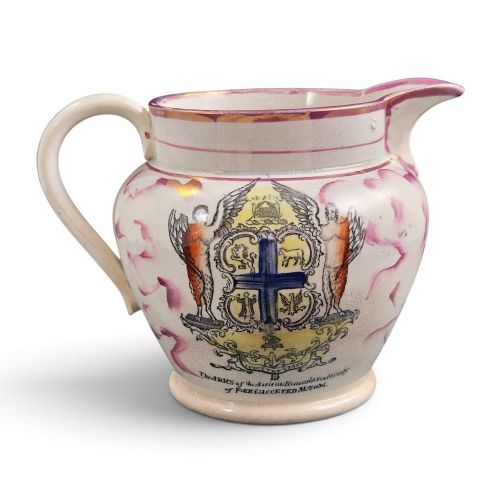
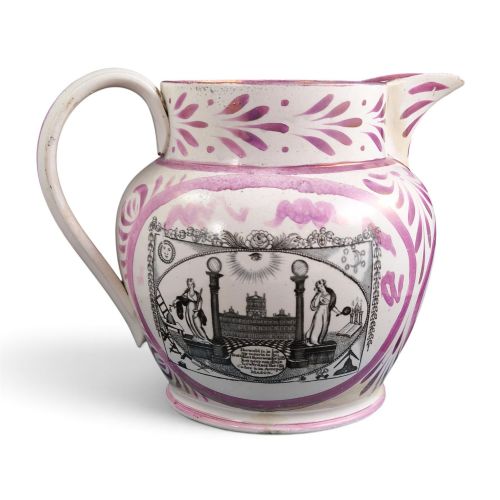
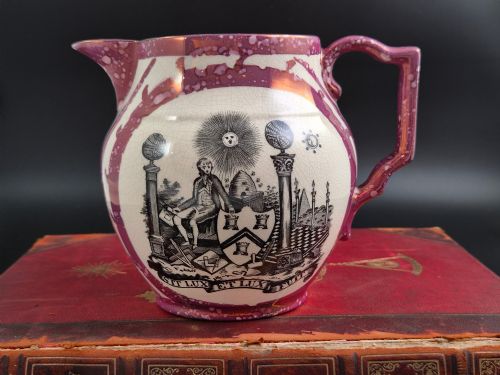
Form and decoration vary from simple cream jugs to large commemorative pitchers adorned with clipper ships and Masonic symbols. These vessels served functional roles on dining tables before becoming decorative display pieces.
How they were made
Potters shaped earthenware, creamware, pearlware, and ironstone into jugs before applying metallic oxides to the surface. Firing these oxides in a kiln produced the characteristic copper and pink lustre glazes.
Many examples combine the metallic glaze with hand-painted enamel colours and transfer-printed imagery. Potters applied copper or pink lustre in bands, splashes, or all-over coatings to achieve the metallic sheen.
Listings feature earthenware, pearlware, and ironstone bodies decorated with copper lustre, pink splash, and enamel.
What varies in quality
Quality rests on the crispness of the transfer prints and the evenness of the metallic glaze across the earthenware body. Rich copper tones and well-preserved enamel colours distinguish finer specimens from plainer wares.
Complexity of form and decoration sets certain jugs apart, particularly those carrying named vessels, detailed maritime scenes, or Masonic inscriptions. The clarity of the pink splash effect and the ambition of the transfer work dictate the standing of each piece.
Livesley Powell And Co·Sunderland Garrison Pottery·Wedgwood
The Antique English Lustre Jug Glossary
- Lustre Glaze
- A metallic glaze applied to pottery to create an iridescent or metallic sheen. It contains metallic oxides that reduce during kiln firing.
- Pearlware
- A refined earthenware developed in the late eighteenth century with a bluish-white glaze. It served as a smooth base for transfer printing and lustre decoration.
- Pink Splash
- A mottled pink lustre effect created by dropping oil onto the wet metallic glaze before firing. This technique produces an organic, marbled pattern.
- Ironstone
- A durable heavy ceramic developed in the nineteenth century. It resists chipping and provided a sturdy body for botanical and patterned jugs.
- Transfer Print
- An image applied to pottery using a paper template inked from an engraved copper plate. This method allowed intricate maritime scenes and poetry to appear on jugs.
Antique English Lustre Jug: Frequently Asked Questions
How were lustre jugs used?
These vessels functioned primarily as milk jugs, water pitchers, and cream jugs on dining tables. Larger examples served decorative purposes or commemorated maritime events and societies.
Over time, owners transitioned them from active service to mantelpiece displays and cabinet collections.
What periods do these jugs span?
The pieces originate largely from the Georgian and Victorian eras, spanning from around eighteen hundred to the late nineteenth century. Specific dates indicated in titles point towards mid-Victorian and Regency periods.
Craftsmanship evolved across these decades from creamware bodies to heavy ironstone and earthenware.
How do I identify a Sunderland lustre jug?
Sunderland lustre jugs typically feature distinct pink splash glazes combined with transfer-printed images of the Iron Bridge or tall ships. Many include poetic panels and Masonic symbols.
These pieces often carry names and dates associated with maritime themes from northern potteries.
What is copper lustre pottery?
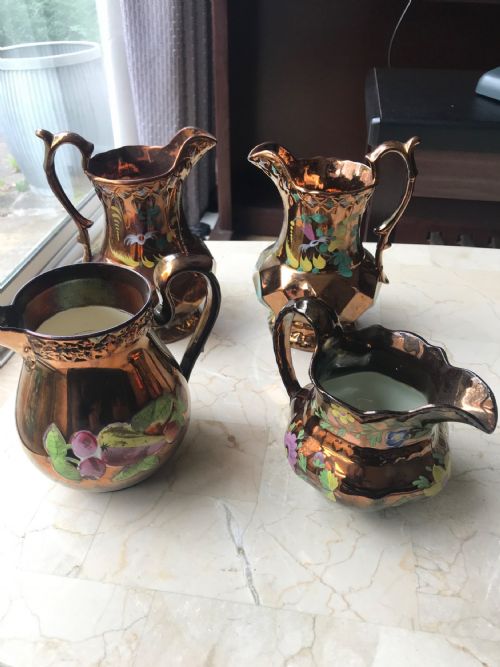
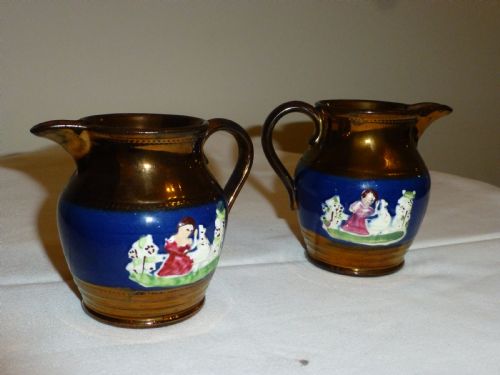
Copper lustre pottery uses a metallic oxide glaze that yields a warm, reflective copper appearance over an earthenware body. Makers often combined this solid sheen with hand-painted enamel fruit or floral bands.
These pieces range from small cream jugs to large water vessels.