


Painted Ceramic Water Jug
A painted ceramic water jug brings vibrant hand-decorated patterns and traditional forms from past centuries directly onto a modern table.
Painted Ceramic Water Jug
A painted ceramic water jug encompasses a wide range of functional and decorative vessels designed for pouring, spanning from Georgian pearlware to Victorian earthenware. These items appear in forms such as domestic pitchers, washbasin jugs, and decorative ewers originating from English potteries, French faience workshops, and continental manufactories.
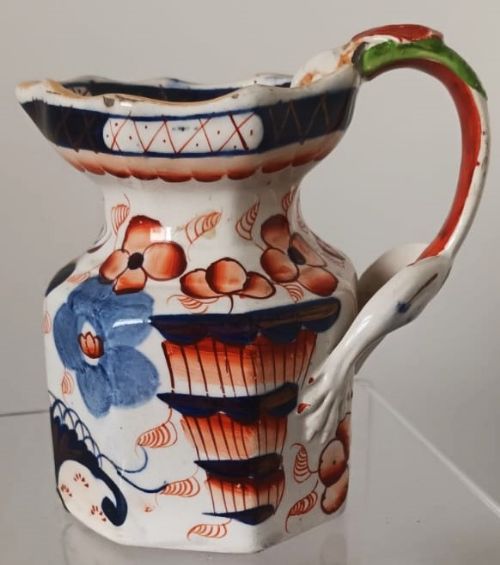
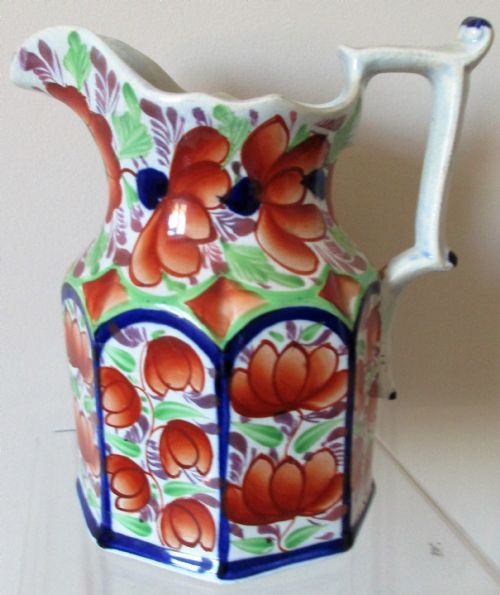
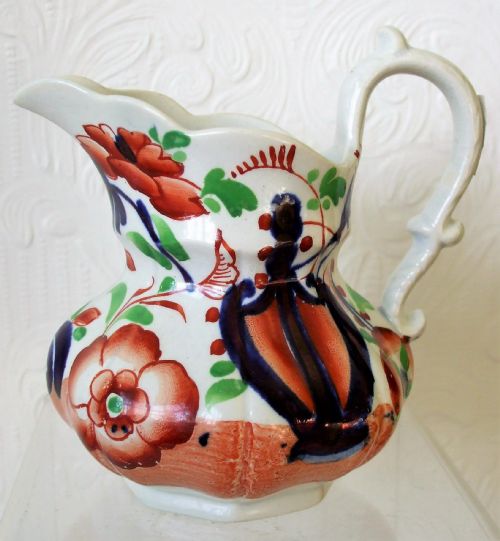
Buyers most frequently encounter 19th-century examples featuring regional patterns, floral motifs, or commemorative inscriptions. Many pieces reflect specific British and European traditions, including Staffordshire pottery, Gaudy Welsh wares, and Japanese Imari influences.
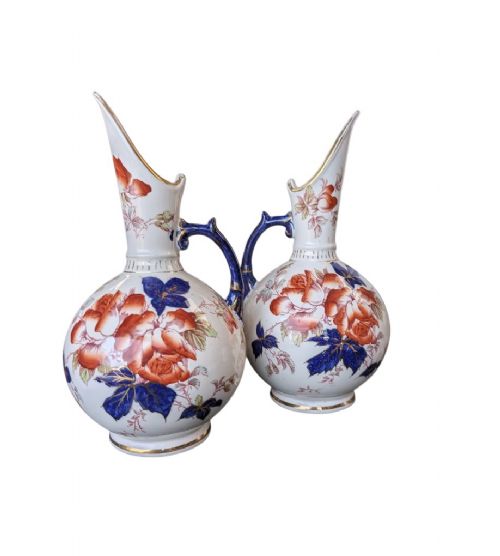
The selection ranges from robust utilitarian vessels intended for daily household service to delicate porcelain ewers created primarily for display. Each period contributes distinct shapes, from ribbed bodies and cabbage leaf moulding to slender handles and flared spouts.
How they were made
Potters shaped these vessels using earthenware, porcelain, and hard-paste porcelain, often applying lead or tin glazes to seal the porous clay bodies before firing. Many domestic and decorative examples utilise moulded relief work, such as cabbage leaf patterns or ribbed body structures.
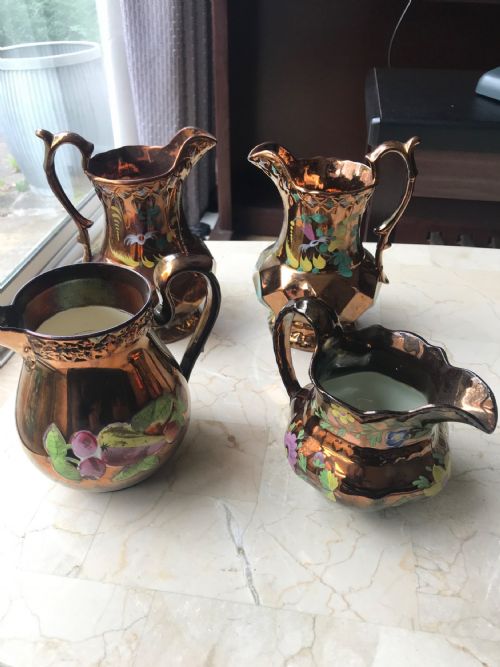
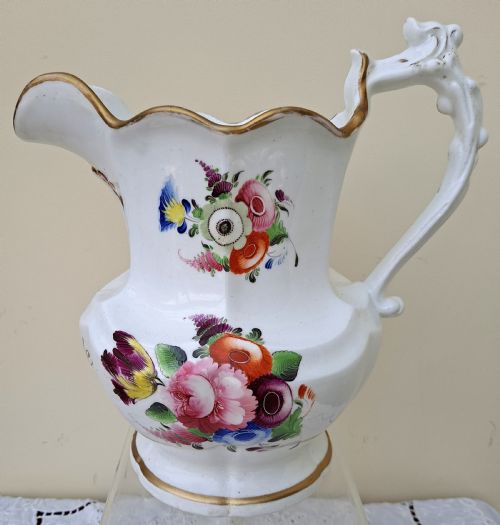
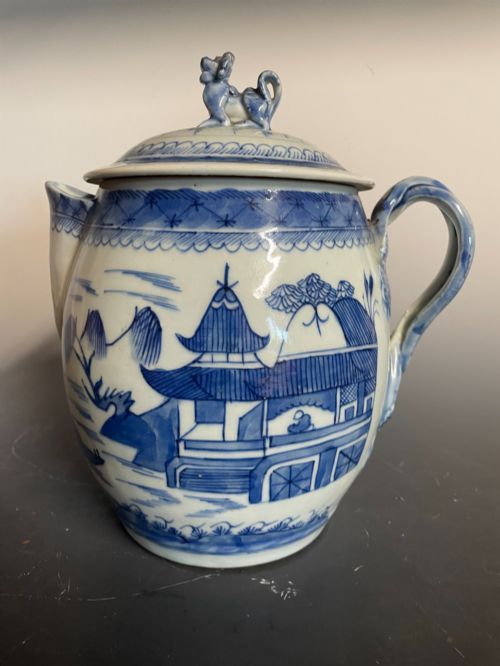
Decoration relied on hand-painted pigments, underglaze cobalt blue, and copper lustre applications, occasionally accented with gilding or gold leaf. Firing techniques varied according to the ceramic body, allowing workshops from Delft to Staffordshire to achieve durable finishes and vibrant pictorial scenes.
Certain early Staffordshire potters dedicated painstaking hours to painting ferocious bull-baiting scenes onto domestic milk jugs.
What varies in quality
Quality rests upon the crispness of the moulded form and the precision of the hand-painted decoration, where master painters achieved finer detail in botanical and figural scenes. Early pearlware bodies and fine porcelain manufactories demonstrate superior material refinement compared to utilitarian earthenwares.
The depth and brilliance of the glaze, alongside the preservation of delicate gilt highlights and enamel colours, distinguish standard production wares from exhibition-grade pieces created by prominent porcelain works.
Royal Worcester·Chamberlain Worcester·Mason's·Meissen·Coalport
The Painted Ceramic Water Jug Glossary
- Pearlware
- A fine-grained earthenware developed in the 18th century featuring a thin glaze with a faint bluish tint that pooled in crevices. It successfully imitated Chinese export porcelain.
- Ewer
- A large decorative pitcher with a wide spout and ornate handle, historically used for pouring water at the dining table or washstand. It frequently appears in ceramic and porcelain from the Georgian and Victorian periods.
- Faience
- European tin-glazed earthenware decorated with opaque metallic oxides before firing. It gained popularity across France and the Netherlands for domestic vessels.
- Lustreware
- Pottery treated with a metallic film that produces an iridescent sheen when fired in a reducing kiln. Copper and silver tones are common in 19th-century examples.
- Imari
- A Japanese export style characterised by underglaze blue, iron red, and gold paint. European potteries frequently copied these bold patterns during the 19th century.
Painted Ceramic Water Jug: Frequently Asked Questions
Were these jugs used for everyday water service?
Many sturdy earthenware and pearlware pieces served practical household roles for carrying and pouring water or milk. Others functioned primarily as washbasin accessories in bedchambers.
Finely painted porcelain ewers, conversely, remained decorative cabinet pieces intended for display rather than heavy domestic use.
How should I display a vintage painted ceramic water jug?
These pieces suit placement on open wooden shelving, sideboards, or mantels where their painted motifs and glazed surfaces catch natural light. Pairing them with complementary ceramics helps establish a cohesive cabinet display.
Placing them away from direct heat sources protects the historic glaze and any delicate enamel decorations.
Can I use antique pitchers for serving liquids today?
Historic ceramics with lead glazes or fragile overglaze enamels are generally best reserved for decorative display rather than food and beverage service. Older glazes can degrade over time, and modern dishwashers or acidic liquids may damage the delicate painted surfaces.
Enjoying them visually preserves their structural integrity.