




Blue Staffordshire Jug
A blue staffordshire jug brings rich nineteenth-century earthenware and transfer-printed scenes directly to the table.
Blue Staffordshire Jug
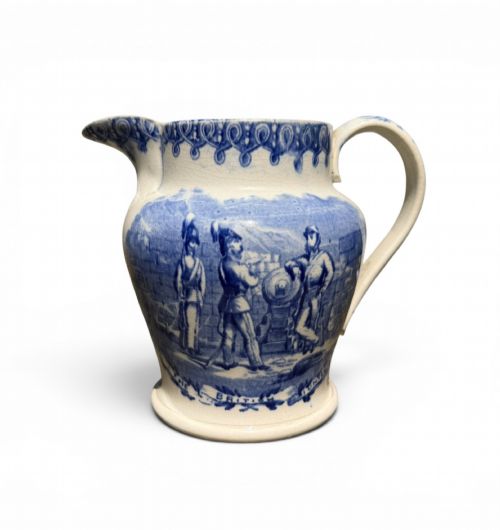
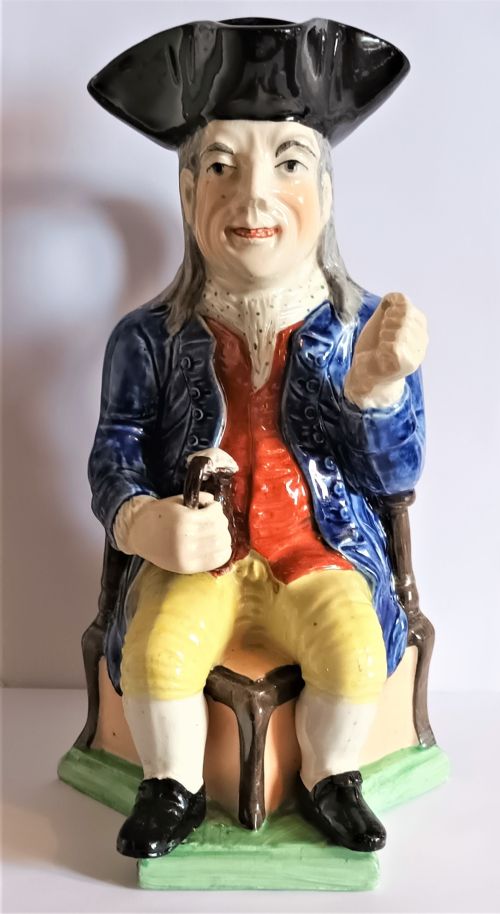
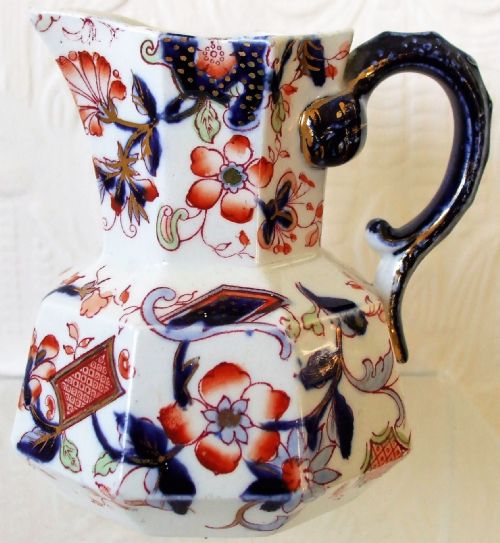
Collectors seeking a blue staffordshire jug will find nineteenth-century earthenware forms ranging from large Georgian storage vessels to Victorian toby jugs and smaller creamers. These pieces originate primarily from Staffordshire potteries, showcasing transfer-printed patterns, flow blue decoration, and characteristic figurative designs.
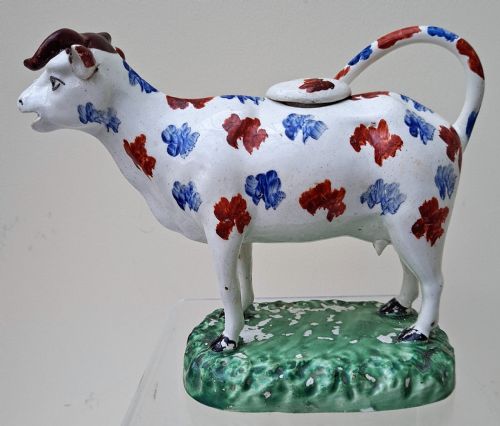
The selection encompasses diverse utilitarian and decorative objects, including footbath jugs, cow creamers, pepperpots, and graduated sets of blue and white pitchers. Examples span the Georgian, Regency, and Victorian periods, reflecting shifting domestic tastes across the decades.
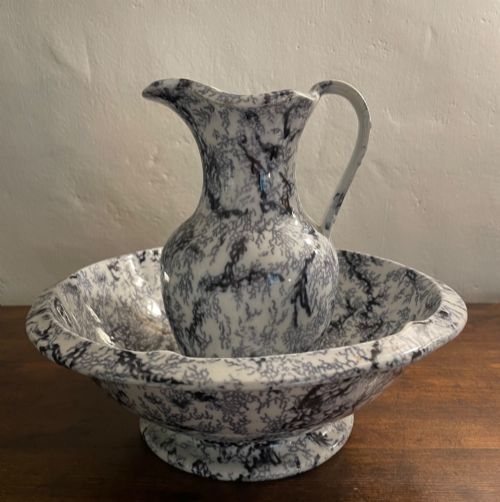
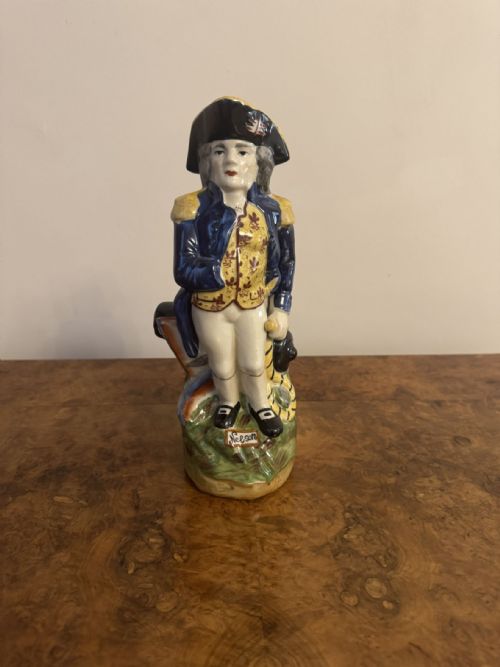
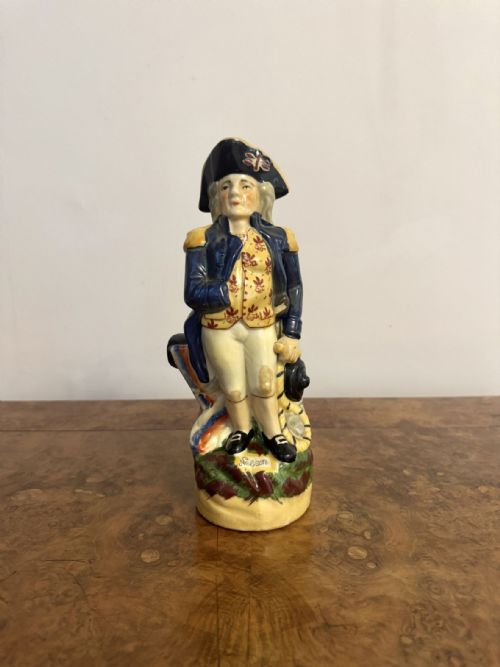
Figurative Toby jugs depicting characters such as Lord Nelson, Mr Snuff, and the Squire sit alongside topographical views like the Boston State House and City Hall New York. Alongside these stand naturalistic motifs, including the elephants foot pattern on ironstone and flow blue jug and basin sets.
Evaluating craftsmanship and condition
Graduated sets and matched pairs demonstrate higher production ambition, whereas single utilitarian creamers and pepperpots display simpler domestic utility. The precision of the moulding on character figures and architectural scenes distinguishes finer studio output from standard regional production.
Listings feature nineteenth-century earthenware, including Georgian and Victorian pieces utilising glaze, enamel, and transfer-printed blue and white decoration.
Keeling & Co.
The Blue Staffordshire Jug Glossary
- Flow Blue
- A nineteenth-century transfer-printed earthenware style where the cobalt blue pigment intentionally blurred into the white glaze during firing. This technique created a soft, misty aesthetic highly prized by collectors.
- Toby Jug
- A pottery jug shaped as a seated, full-bodied figure, usually an eighteenth or nineteenth-century gentleman holding a mug of beer or a pipe. Victorian makers frequently adapted these characters into distinct regional personalities.
- Transfer Printing
- A method of decorating ceramics by engraving a design onto a copper plate, pulling it on tissue paper, and pressing it onto the biscuit ware. It allowed complex pictorial scenes to be replicated rapidly.
- Earthenware
- A porous ceramic body fired at lower temperatures than stoneware or porcelain, requiring a glass glaze to hold liquids. Staffordshire potteries relied on this material for domestic jugs and figures.
- Copper Lustre
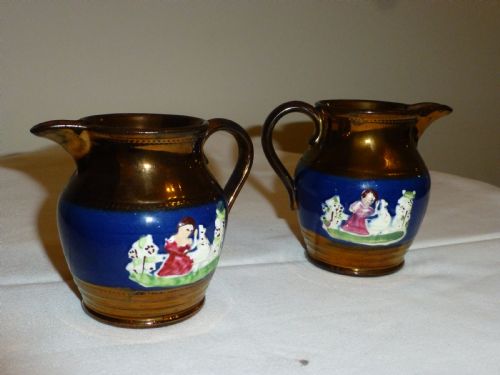
- A metallic glaze finish producing a coppery, reflective sheen often applied as bands or highlights on nineteenth-century jugs. It added a warm, reflective contrast to blue and white transfer patterns.
Blue Staffordshire Jug: Frequently Asked Questions
How do I date a blue staffordshire jug?
Dating relies on stylistic clues, ceramic bodies, and the specific tones of the blue transfer print. Georgian examples often display heavier earthenware bodies and darker cobalt hues.
Victorian pieces frequently incorporate brighter glazes, flow blue effects, or moulded figural designs like toby jugs and historical scenes.
What is a flow blue jug?
A flow blue jug is an earthenware vessel decorated with cobalt blue transfer print that blurred during the kiln firing. This intentional diffusion gives the pattern a soft, atmospheric appearance.
Potters achieved this effect by introducing volatile substances into the kiln atmosphere, causing the pigment to bleed into the surrounding white glaze.
Are these jugs suitable for daily use?
Most antique earthenware jugs function primarily as decorative display pieces or dry storage rather than for active daily dining. The historic lead glazes and porous ceramic bodies can be sensitive to modern detergents and repeated liquids.
Gentle hand washing in lukewarm water preserves the glaze and prevents further crazing on nineteenth-century surfaces.
What subjects appear on toby jugs?
Toby jugs typically portray seated eighteenth and nineteenth-century characters holding mugs or pitchers, including named figures like Lord Nelson or local archetypes such as the Squire and Mr Snuff. These figures served as functional drinking vessels in domestic settings.
Makers also produced smaller figurative pieces like pepperpots and character jugs reflecting contemporary popular culture.