


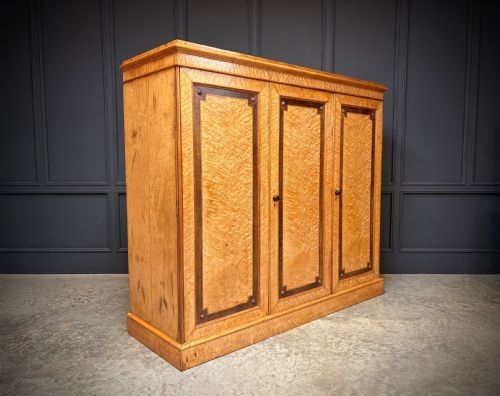
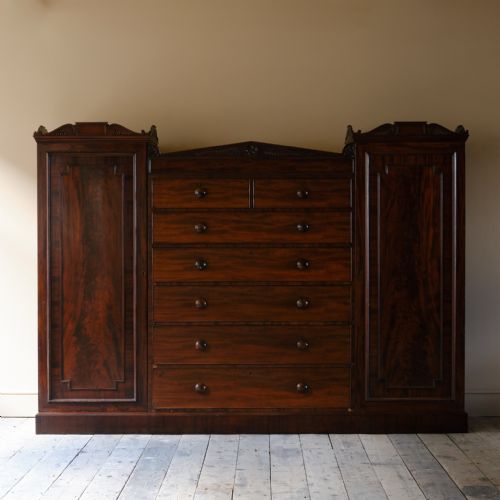


19th Century Compactum
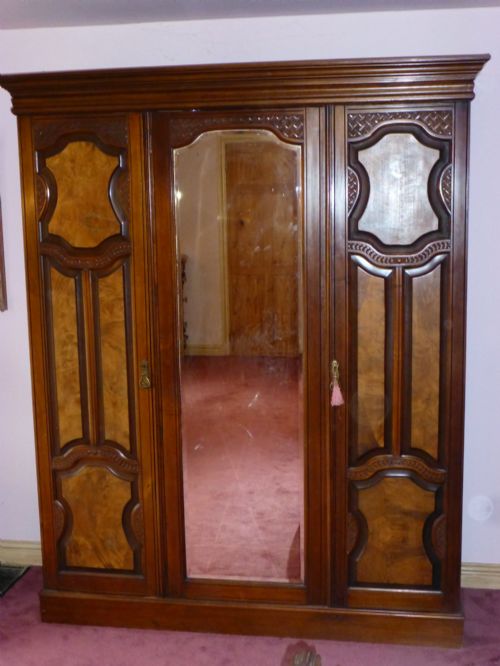
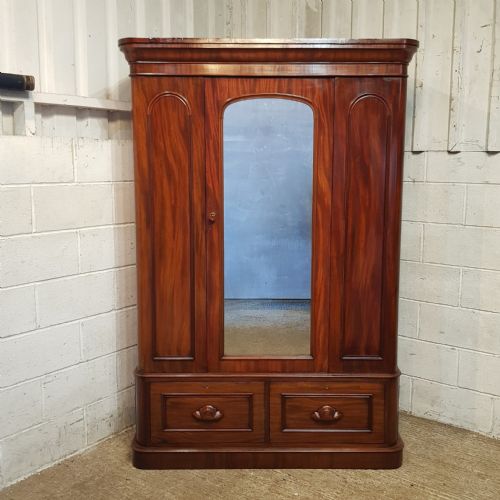
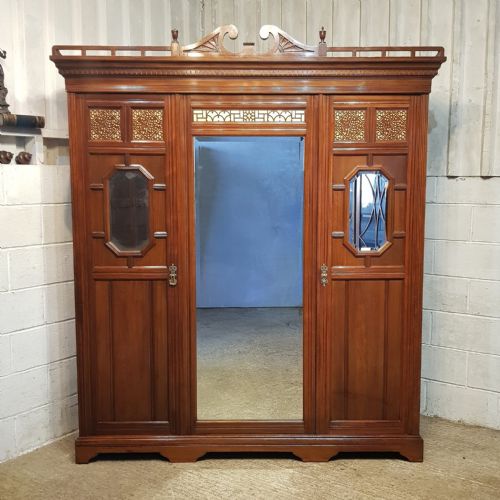
A 19th century compactum is a capacious multisection wardrobe designed to hold an entire gentleman's or lady's wardrobe in one unified piece of furniture.
19th Century Compactum
A 19th century compactum combines hanging space, drawer sets and linen shelves within a single architectural framework. These multi-functional pieces evolved to maximise bedroom storage during the Victorian, Regency and Georgian eras.
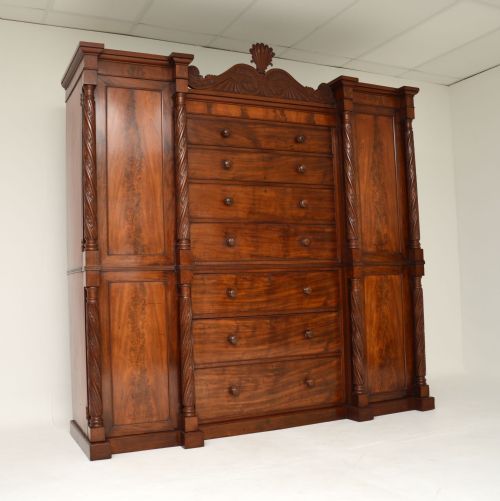
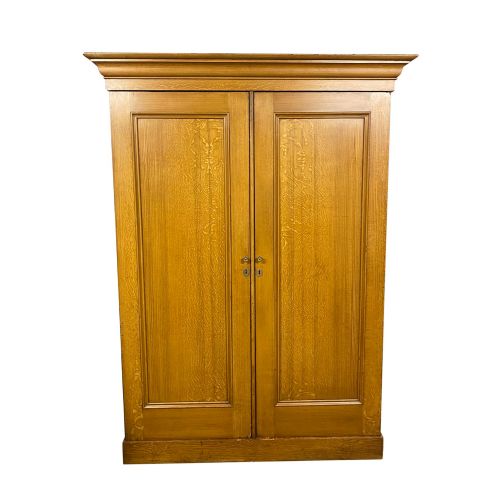
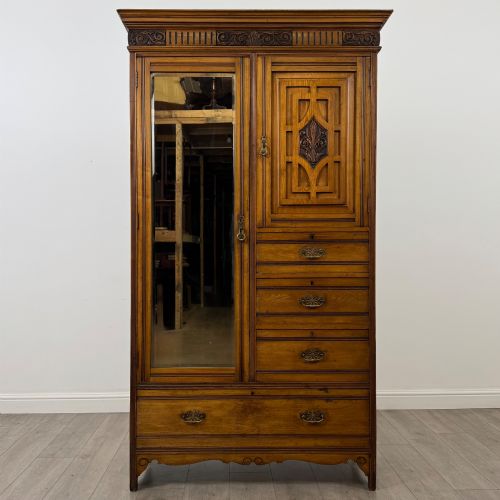
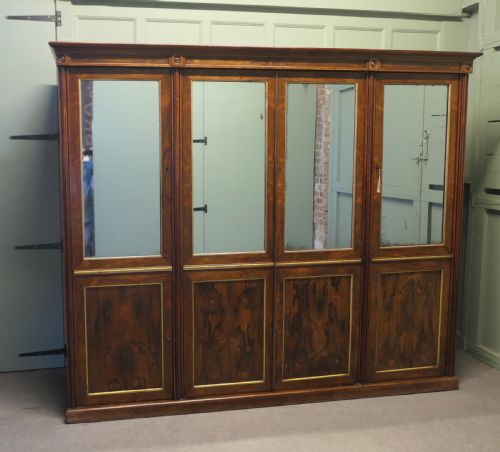
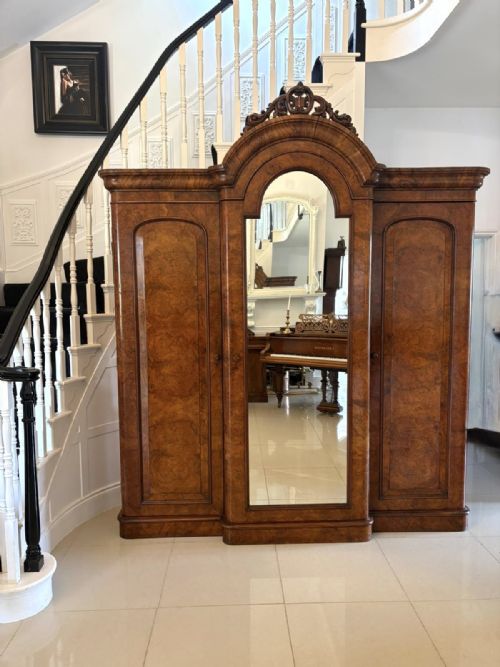
The version most commonly met on this page is the triple or double wardrobe configuration in mahogany, burr walnut or oak. Makers often divided the interior into a central tower of drawers flanked by hanging compartments or linen presses.
Origins span formal Georgian workshops, Regency cabinet makers and prolific Victorian factories. Surviving examples demonstrate how domestic storage requirements shifted toward integrated bedroom suites across the nineteenth century.
What varies in quality
The choice of timber sets the baseline for quality, moving from utilitarian pine and oak up to highly figured burr walnut, flame mahogany and satin birch. Select examples display meticulously matched veneers across wide breakfront doors and drawer fronts.
Structural complexity and joinery precision further separate the tiers. Multi-part modular carcasses, secondary locking mechanisms, integrated linen press slides and signed cabinet maker branding distinguish superior workshop production from standard commercial output.
Listings feature mahogany, burr walnut, oak, ash, satin birch and rosewood across Georgian, Regency and Victorian eras.
Holland and Sons
The 19th Century Compactum Glossary
- Compactum
- A multi-functional wardrobe combining hanging space, drawers and shelving in one unit. This form provides comprehensive bedroom storage.
- Breakfront
- A cabinet facade where the central section projects forward from the flanking wings. This architectural arrangement creates depth and visual balance.
- Linen press
- A tall piece of furniture featuring upper doors enclosing sliding trays for textiles above a chest of lower drawers. These items often merge into compactum designs.
- Scumble
- A decorative paint technique applied over a base coat to simulate natural wood grain. This finish appeared on alternative regional pieces.
- Burr walnut
- Timber taken from the warted excrescences of walnut trees, yielding highly ornamental swirling patterns. Cabinet makers prized it for luxury veneering.
19th Century Compactum: Frequently Asked Questions
What is a 19th century compactum?
A 19th century compactum is an all-in-one wardrobe system that integrates hanging space, linen shelves and drawer storage into a single piece of furniture.
These combination cupboards were built during the Georgian, Regency and Victorian periods to organise comprehensive clothing collections within one footprint.
How were compactums used originally?
Original owners used them as master bedroom storage for suits, dresses, folded linen and accessories without needing separate chests of drawers and wardrobes.
The central drawer towers and flanking hanging compartments allowed gentlemen and ladies to keep their entire seasonal wardrobe neatly segregated.
How do I tell Victorian from Georgian pieces?
Georgian and early Regency pieces often show clean architectural lines, flame mahogany veneers and proportions suited to formal dressing rooms.
Victorian iterations frequently expand into heavier triple or breakfront configurations utilising burr walnut, ash, satin birch and richer surface inlays.
Will a compactum fit in a modern room?
Many surviving compactums are exceptionally large, deep and heavy, frequently constructed in multiple modular sections to aid transport and installation.
Buyers should measure ceiling height, floor clearance and doorway access carefully because these combination wardrobes cannot be easily dismantled beyond their original sectional parts.