

19th Century Colonial Furniture
These pieces of 19th century colonial furniture bring dense tropical timbers and regional craft traditions together for domestic utility.

19th Century Colonial Furniture
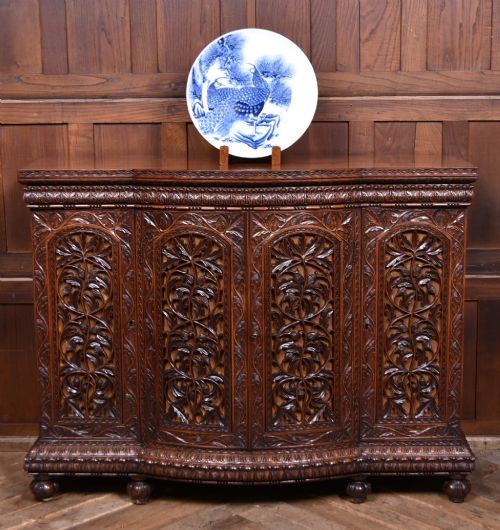
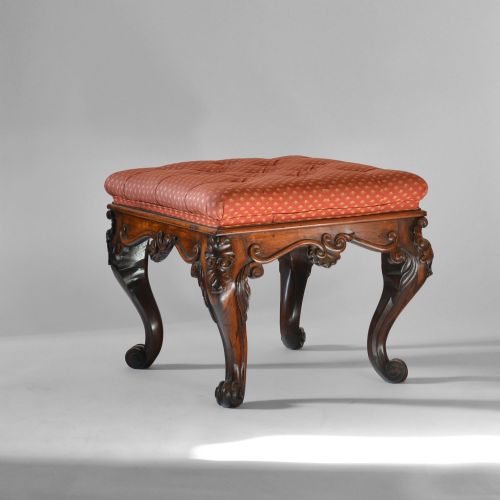
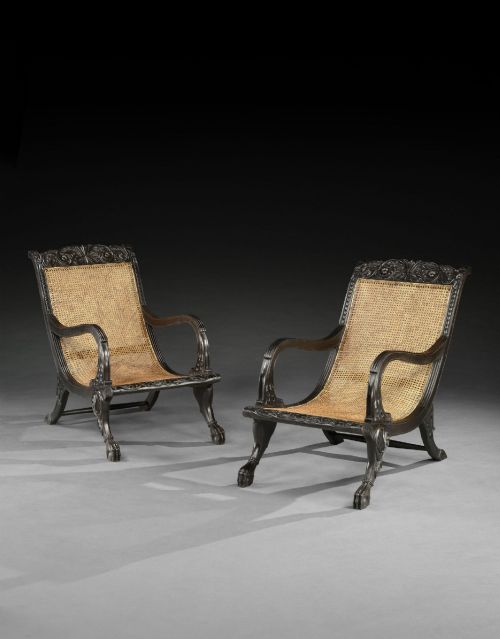
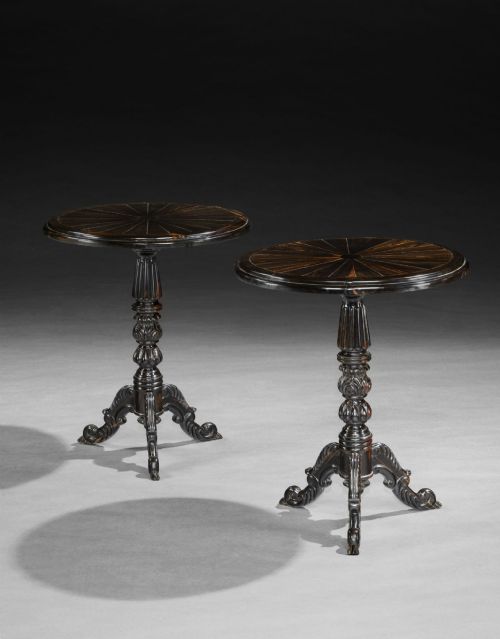
When you search for 19th century colonial furniture, you encounter items built across various global trade routes and European influences during the period. The selection on this page centres on practical forms like side tables, armchairs, chests of drawers, and desks.
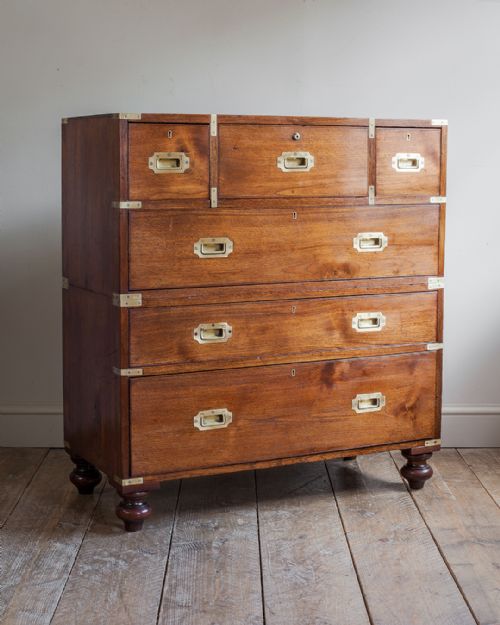
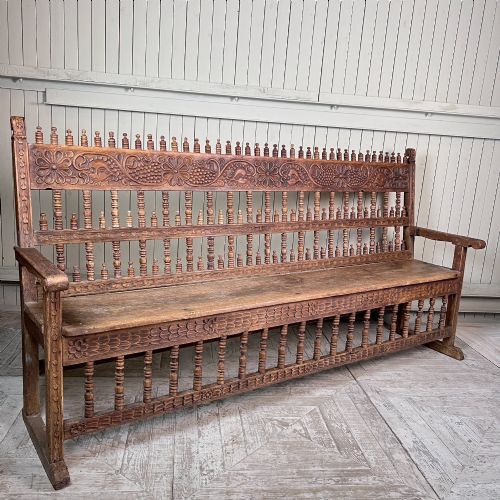
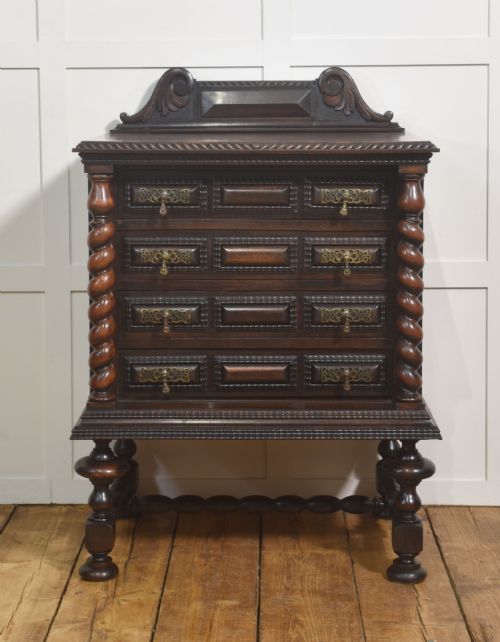
Anglo-Indian, Portuguese colonial, and Spanish colonial styles dominate the current listings. You also find campaign pieces designed for travel alongside heavily carved occasional tables and seating.
The objects reflect the specific requirements of officials and merchants stationed abroad who needed durable yet refined furnishings. Solid timber construction and modular designs suited both stationary residences and frequent relocation.
Materials and construction methods
Cabinetmakers utilised dense exotic hardwoods such as teak, rosewood, padauk, ebony, and camphor wood. These timbers resisted local insects and humidity while providing deep natural colour and heavy weight.
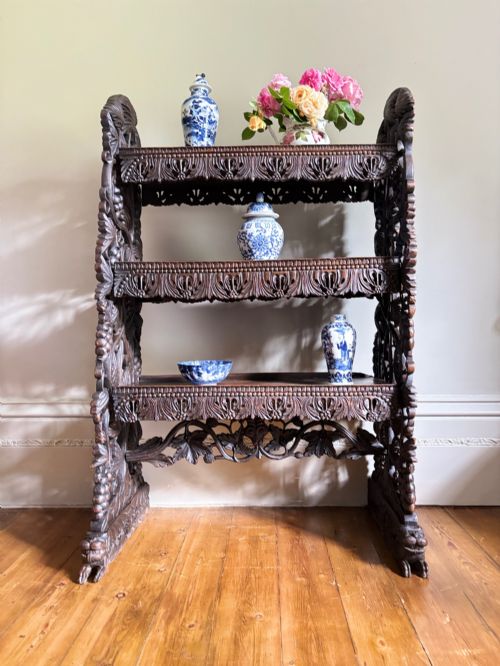
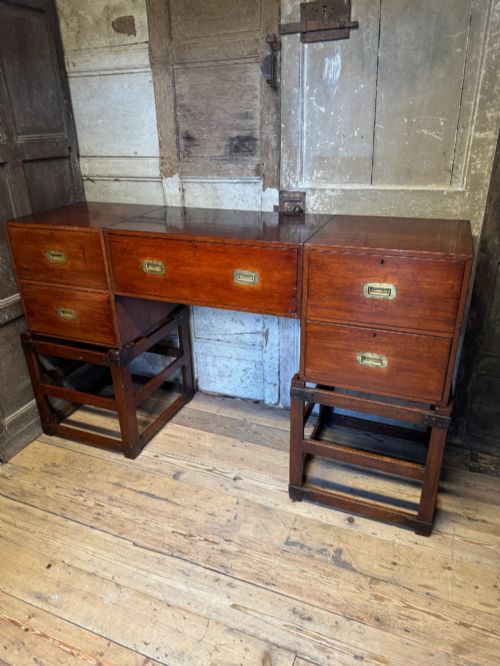
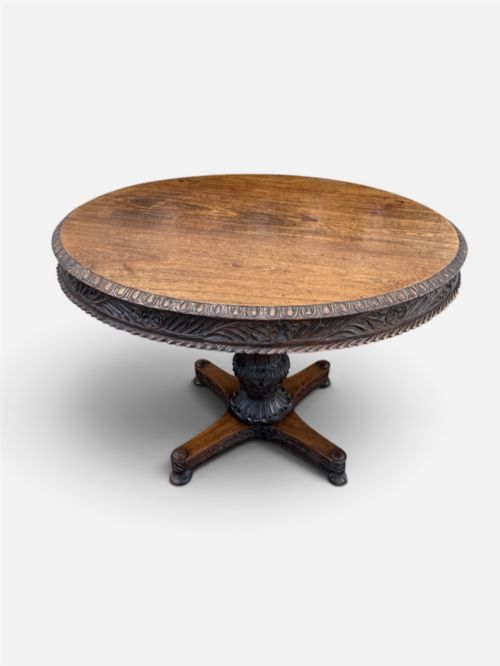
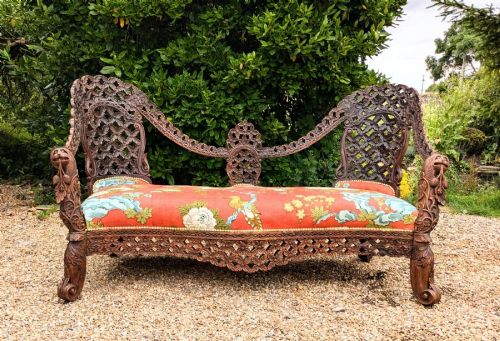
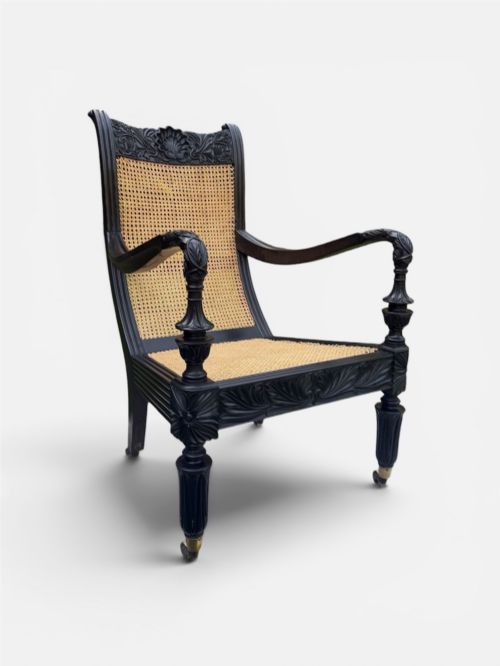
Brass mounts, binding, and corner pieces reinforced structural joints on travel items like campaign chests and desks. Caning and intricate hand-carved motifs appeared on seating and tables, combining local skill with European forms.
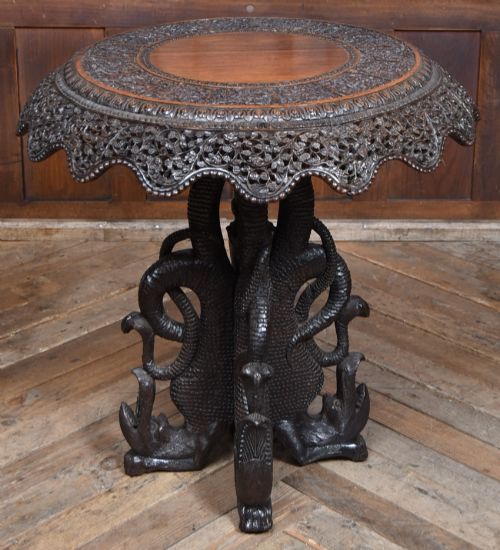
Watch out for tables shaped like elephants or carved with dragons hiding beneath the tea tray.
Distinctions in craftsmanship and design
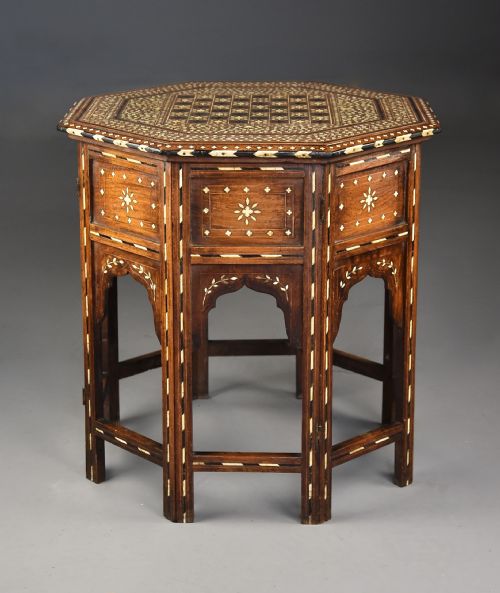
The standard of 19th century colonial furniture depends upon the depth of carving, the selection of timber, and the precision of joinery. Pieces featuring intricate inlay, such as mother-of-pearl or specimen woods, demonstrate advanced workshop proficiency.
Simpler utilitarian campaign items rely on robust brass hardware and well-fitted drawer construction for their execution. The integrity of the original wood and the sharpness of relief work separate standard utility items from finer decorative pieces.
The 19th Century Colonial Furniture Glossary
- Campaign chest
- A modular chest of drawers built in two sections with inset brass handles and corner brackets for transport.
- Teak
- A durable, oily tropical hardwood utilised for structural stability in humid climates.
- Padauk
- A heavy reddish-brown timber favoured for carved tables and desks.
- Caning
- Woven rattan material applied to the seats and backs of chairs for ventilation.
- Teapoy
- A small occasional table or stand originally designed for holding tea caddies.
19th Century Colonial Furniture: Frequently Asked Questions
What is colonial furniture?
Colonial furniture refers to items produced by European settlers or local craftsmen under European influence in regions outside Europe during the 19th century.
These objects combine imported forms with indigenous timbers and decorative techniques.
How do I identify campaign furniture?
Campaign pieces feature recessed brass hardware, sectional construction, and folding mechanisms designed for easy packing during military movements.
They prioritise portability without sacrificing structural integrity.
What woods were used?
Maker workshops relied on dense tropical hardwoods including teak, padauk, rosewood, ebony, and camphor wood.
These materials provided resistance to local climate conditions and supported detailed carving.
Where were these pieces made?
Items originated across various British, Portuguese, and Spanish territories, including India, Ceylon, Burma, and China.
Local artisans often blended regional motifs with European furniture patterns.