


Hand Carved Indian Table
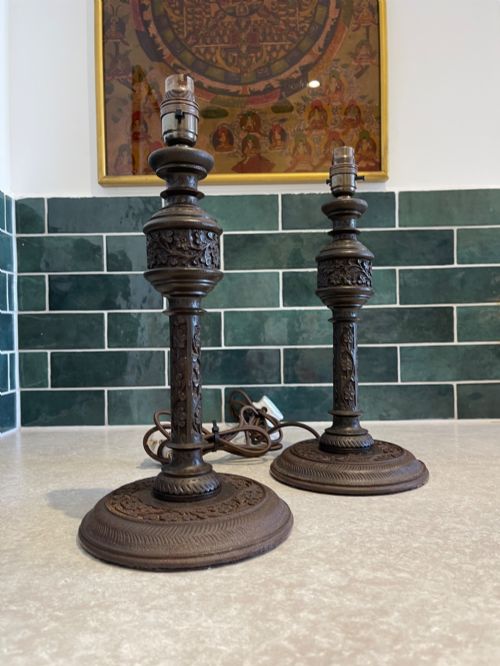
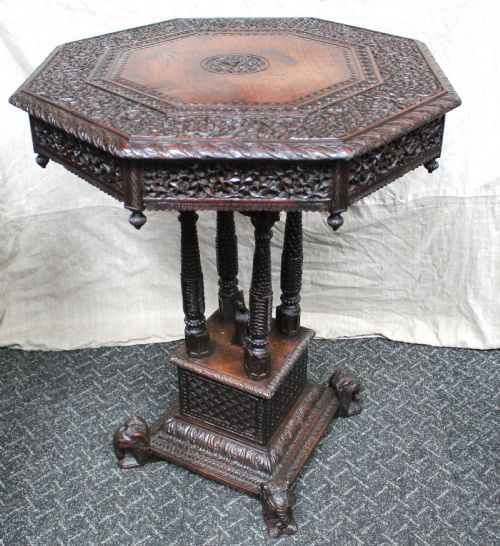
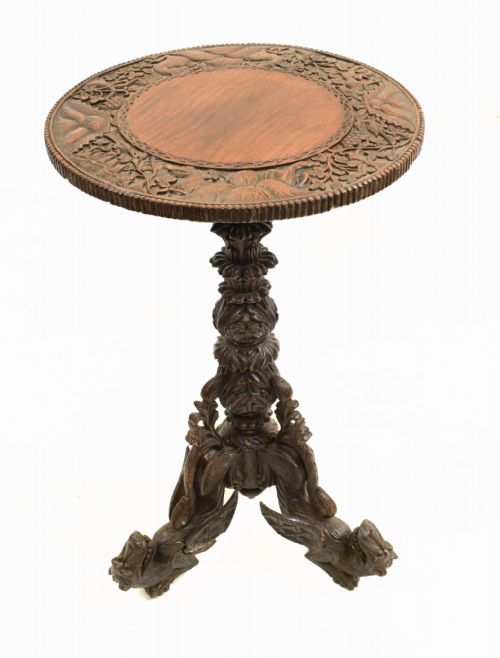
A hand carved indian table brings tactile warmth and intricate regional artistry into a room through dense foliate carving and figural motifs.

Hand Carved Indian Table
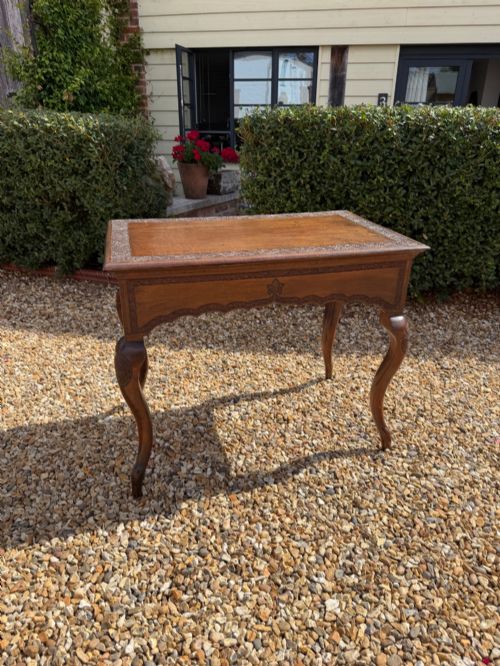
A hand carved indian table encompasses various functional forms such as side tables, occasional tables, coffee tables, and desks created across the nineteenth and early twentieth centuries. The selection ranges from Anglo-Indian and Anglo-Burmese colonial pieces to regional Kashmiri walnut furniture and Syrian occasional works.
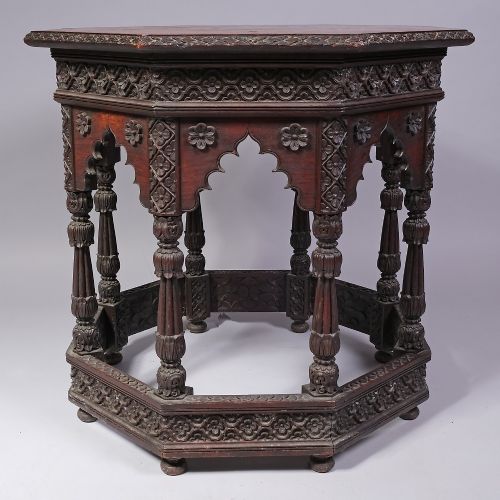
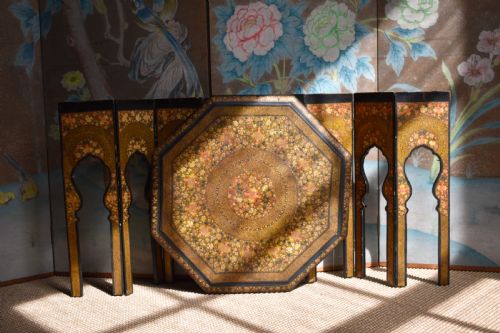
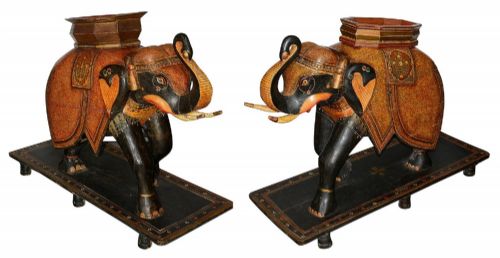
Buyers frequently encounter folding designs, octagonal surfaces, and distinctive figural supports shaped as elephants or camels. These pieces reflect specific stylistic crossroads between traditional craftsmanship and British colonial taste.
Materials and Technique
Maker workshops utilised dense regional timbers including teak, padouk, walnut, rosewood, and general hardwoods to withstand deep chisel work without splitting. Artisans applied relief carving, pierced fretwork, and turning to build structural frames and folding mechanisms.
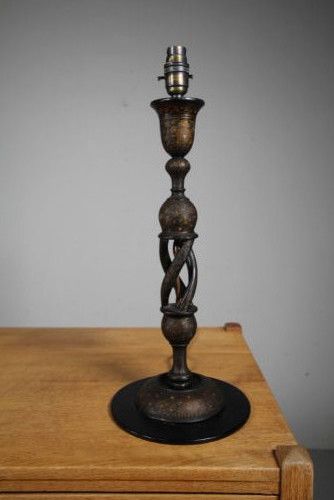
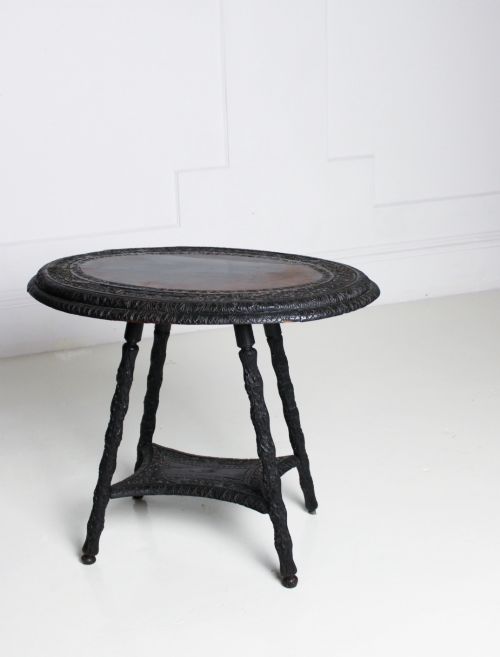
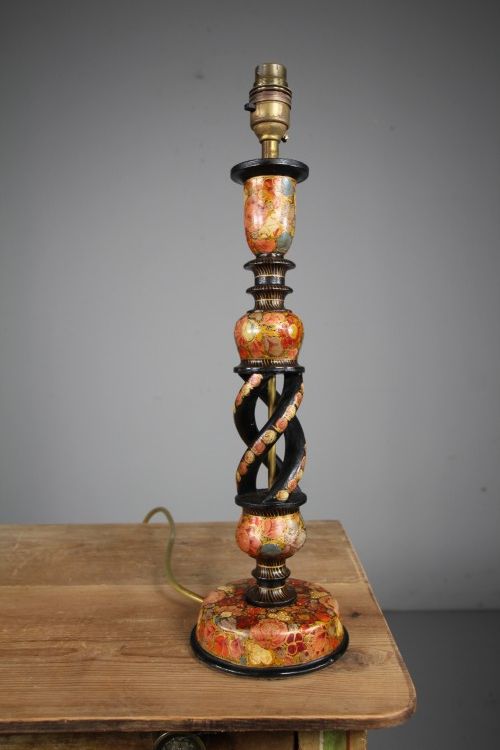
Surface ornamentation incorporates bone inlays, brass elements, copper table tops, and polychrome lacquer finishes. Kashmiri items often showcase fine walnut panels, whilst other regional works employ ebonising and inlaid detailing.
Listings feature woods spanning teak, walnut, padouk, rosewood, and general hardwood alongside bone and brass inlay.
Assessing Quality
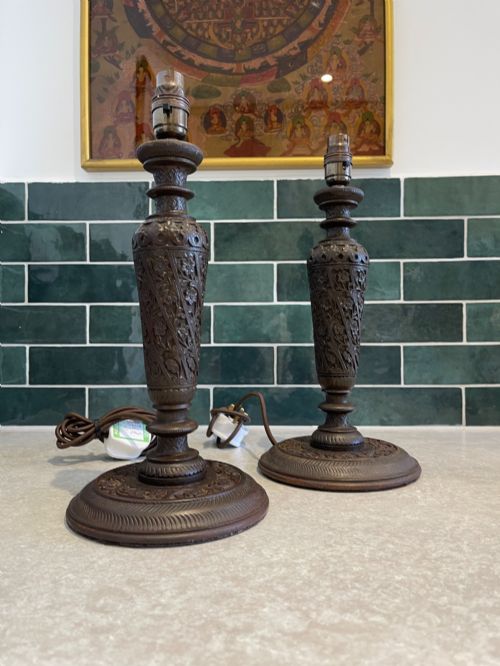
Depth and crispness of the chisel work distinguish superior examples from plain production pieces, as master carvers achieved remarkable undercut relief in foliage and animal figures. The integration of joints, stability of folding hinges, and selection of well-seasoned timber govern structural integrity.
Original surface patination and the survival of delicate inlays such as bone or brass elevate the standing of an item. Consistency in proportion across complex octagonal or multi-tiered nesting tables marks the hand of a skilled workshop.
The Hand Carved Indian Table Glossary
- Anglo-Indian
- Describing furniture made in India during the British colonial period, often combining traditional local carving techniques with European furniture forms.
- Octagonal
- Having eight sides, a geometry frequently utilised for the tops and bases of occasional tables to allow complex edge carving.
- Padouk
- A heavy, durable tropical hardwood with a reddish hue utilised in colonial desks and sideboards for its strength and grain.
- Fretwork
- Ornamental design created by cutting patterns through thin boards, seen on the aprons and shelves of occasional tables.
Hand Carved Indian Table: Frequently Asked Questions
Where should I place a hand carved indian table?
These pieces function well as accent surfaces beside armchairs or as central coffee tables in living spaces where the carved details can be appreciated.
Smaller folding variants offer flexibility for rooms requiring movable surfaces that store flat when not in use.
How do I clean carved wooden surfaces?
Dust the intricate recesses regularly with a soft, dry brush to prevent dirt accumulation in the carved channels.
Apply occasional natural beeswax sparingly, buffing gently to maintain the timber's historic sheen without clogging fine details.
What defines an elephant table?
Elephant tables feature structural supports sculpted as standing or kneeling elephants, often incorporating tusks and detailed trunk motifs into the base design.
Originating largely from the Bombay Presidency and colonial workshops, these imaginative forms served as decorative occasional and side furniture.
How do I date a Kashmiri walnut table?
Kashmiri walnut pieces are generally assessed through the depth of their floral carving, timber maturity, and structural joining methods.
Turned elements and painted lacquer highlights also assist in distinguishing late nineteenth-century items from early twentieth-century examples.