

19th Century Ceramic Set
When you search for a 19th century ceramic set, you encounter diverse groupings spanning table services, trios, and garnitures created for dining, writing, and display.
19th Century Ceramic Set
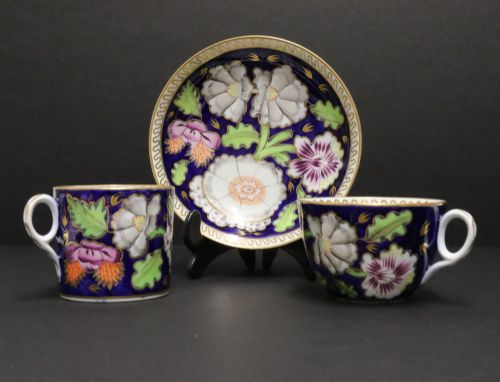
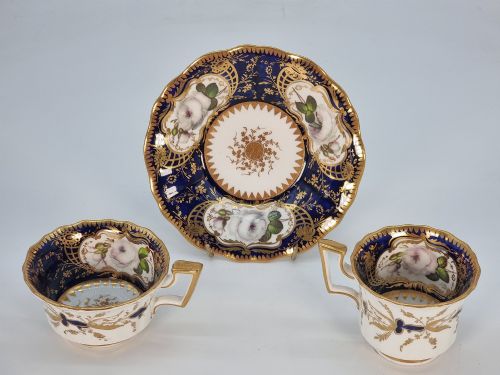
A 19th century ceramic set encompasses matched or assembled groupings of utilitarian and decorative objects made across the Georgian, Regency, and Victorian periods. Buyers frequently encounter dessert services, tea sets, dinner services, and inkwells spanning these eras.
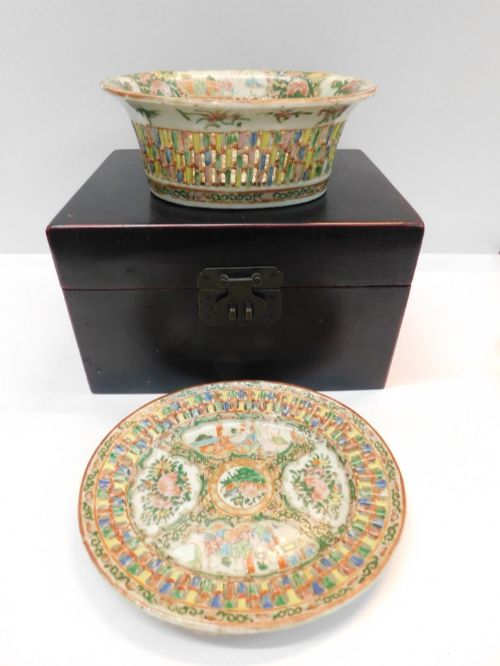
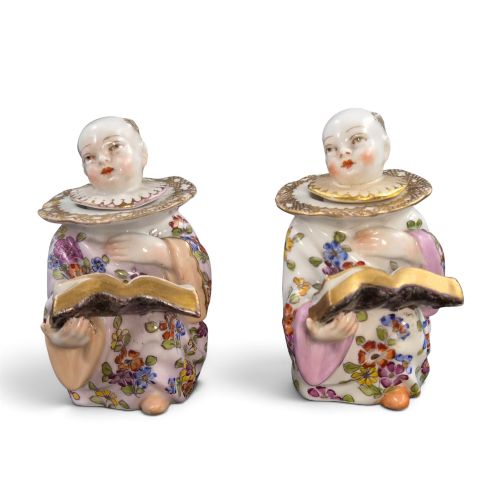
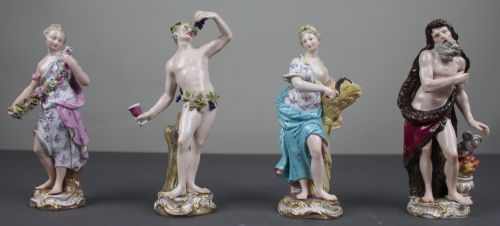
The selections on this page range from complete twelve-piece dinner services and porcelain breakfast sets down to smaller trios, coffee sets, and paired figures. Production origins span English potteries, continental European factories, and Chinese export wares reflecting Qing Dynasty styles.
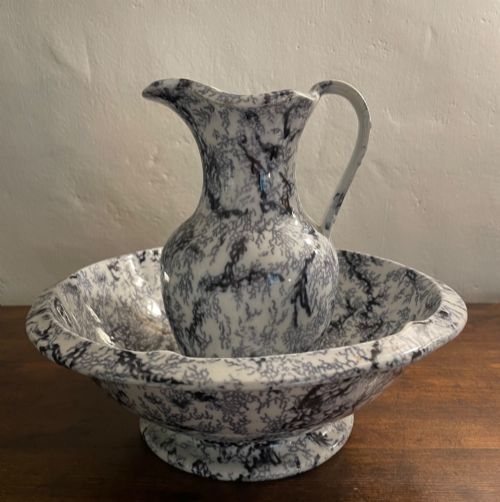
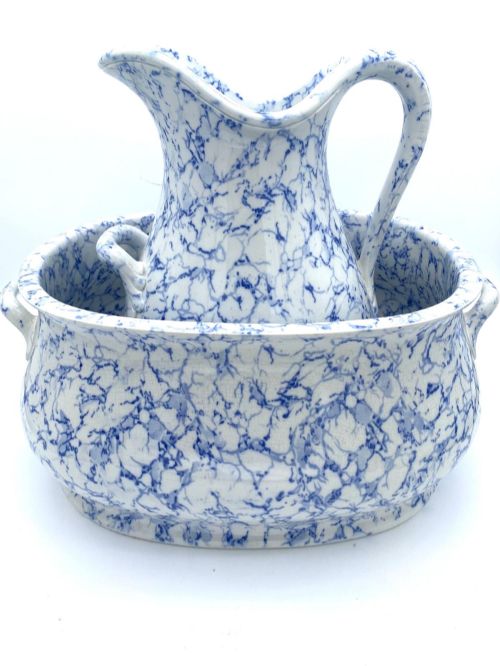
Functional groupings include apothecary jars, washstand jug and basin sets, and footbaths alongside decorative cabinet sets. Each grouping demonstrates the specific domestic or display purpose intended by its nineteenth-century maker.
Materials and production methods
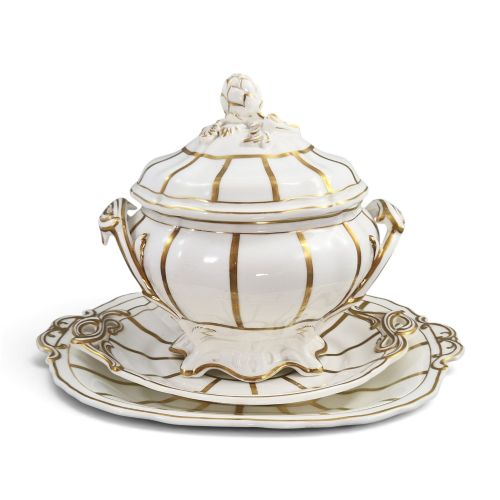
Potters of this era utilised porcelain, bone china, earthenware, ironstone, and faience, shaping them into plates, vessels, and figures. Many pieces incorporate applied gold leaf, gilt highlights, and intricate enamel colours alongside transfer-printed designs.
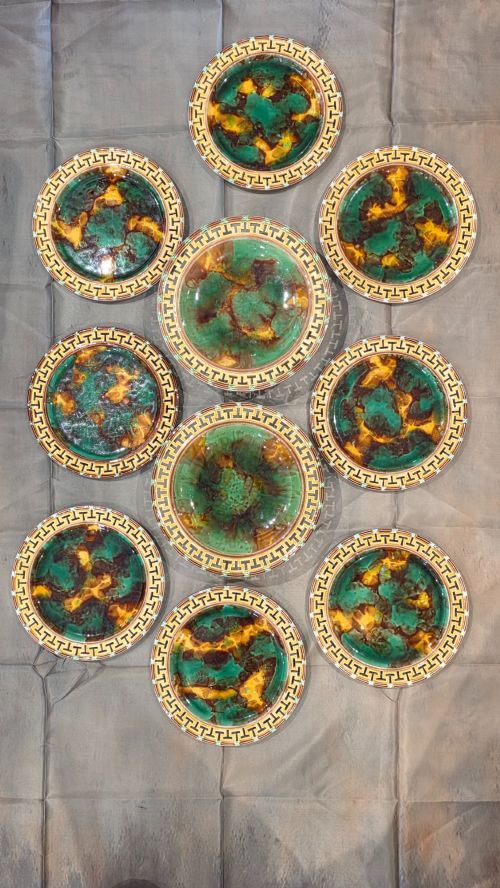
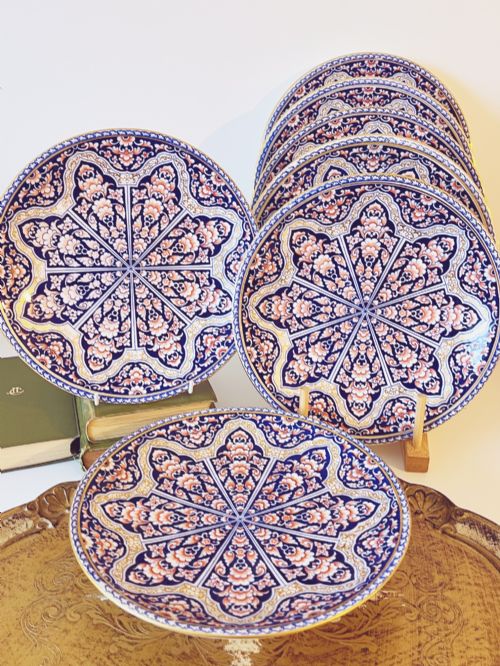
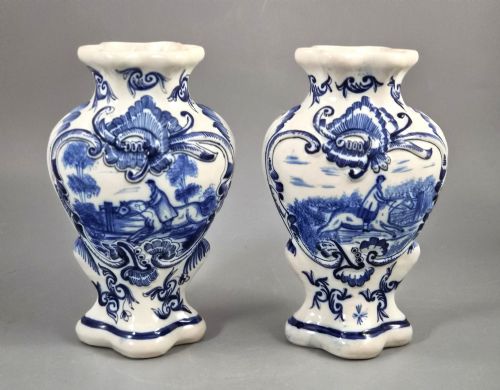
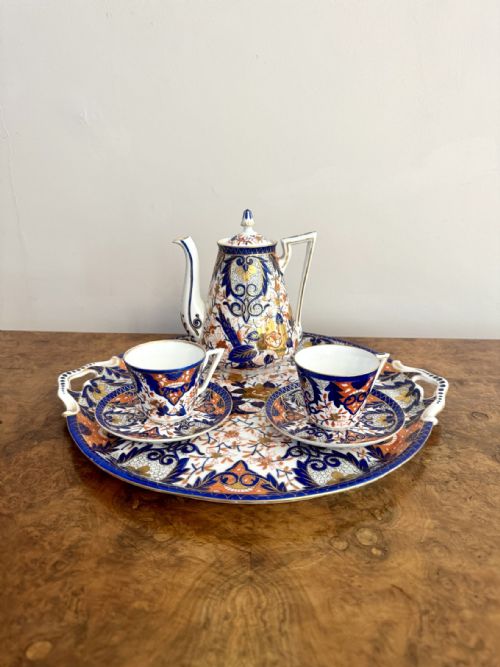
Glazes define the surface texture and appearance, ranging from rich flow blue and majolica to white earthenware and Delft blue and white. Hand-painted floral motifs, Japanese-inspired Imari palettes, and Chinese famille rose enamels frequently embellish the ceramic body.
Listings feature items from the Georgian, Regency, Victorian, and late 19th-century periods, utilising porcelain, earthenware, ironstone, and gilt.
Indicators of quality
Quality in a 19th century ceramic set rests upon the crispness of the moulding, the precision of the hand-painting, and the consistency of the glaze. Superior examples exhibit finely detailed brushwork, well-defined transfer printing, and secure application of gilding.
Completeness within multi-piece services and the preservation of matched components elevate a set's standing. Maker marks stamped, impressed, or painted into the ceramic base provide reliable confirmation of origin and period authorship.
Grainger Lee & Co·A H & R Daniel·Wedgwood·Edmé Samson·Royal Crown Derby·Newhall·Coalport·Minton·Meissen·Fourmaintraux-Courquin·Davenport·Sevres·Rockingham Pottery·Royal Worcester·Flight Barr & Barr·Masons
The 19th Century Ceramic Set Glossary
- Trio
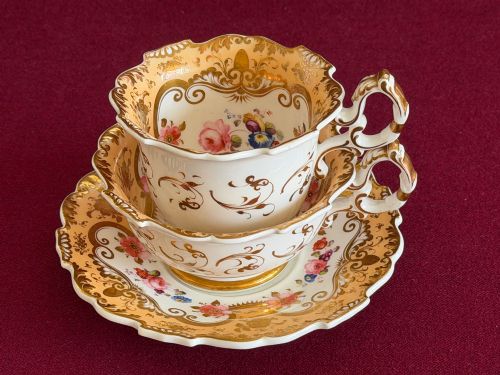
- A matched ceramic grouping consisting of a teacup, coffee cup, and saucer, frequently produced during the Regency and Victorian periods.
- Dessert service
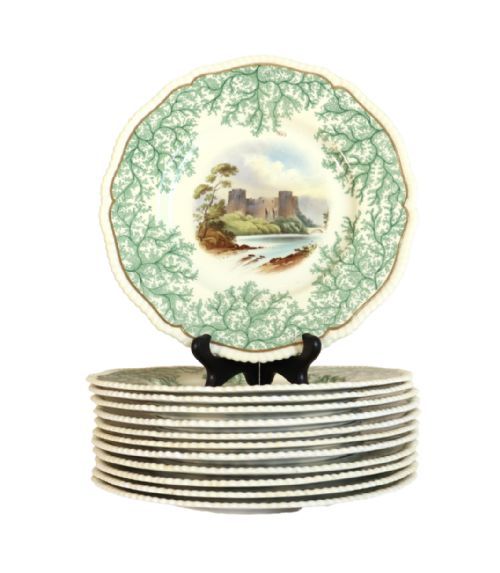
- A collection of plates, comports, and serving dishes intended for the final course of a formal nineteenth-century meal.
- Flow blue
- A cobalt blue transfer-printing technique that intentionally blurred during firing to create a soft, hazy aesthetic on earthenware and ironstone.
- Ironstone
- A heavy, durable type of earthenware patented in the nineteenth century to imitate Chinese porcelain for robust domestic tableware.
- Garniture
- A set of three or five decorative vases or vessels designed to be displayed together on a mantelpiece or sideboard.
19th Century Ceramic Set: Frequently Asked Questions
What pieces belong in a dessert service?
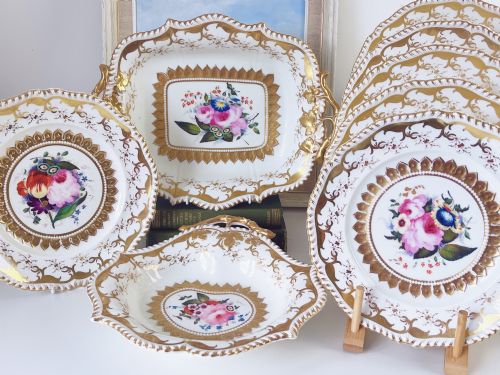
A nineteenth-century dessert service typically comprises a central comport or pedestal dish accompanied by multiple matching plates. These sets were designed specifically for serving fruit, sweets, and pastries at the conclusion of formal dining.
Surviving examples on this page often feature hand-painted floral decoration, rich gilding, or colourful enamel patterns suited to grand table settings.
What is an ironstone dinner service?
Ironstone is a dense, heavy ceramic material developed in the nineteenth century to provide a durable alternative to true porcelain. Dinner services made from this material withstand frequent use while offering a refined appearance.
Many ironstone sets feature transfer-printed patterns such as traditional blue and white willow designs or decorative border motifs.
How can I identify a tea set's period?
Dating a nineteenth-century tea set involves examining the shapes of the vessels, the style of the handle and spout, and any maker marks found on the base. Regency pieces often exhibit distinct neo-classical or shell-moulded forms.
Later Victorian sets frequently incorporate bolder colours, majolica glazes, or transfer-printed scenes reflecting changing industrial production methods.