


Antique Porcelain Coffee Set
An antique porcelain coffee set brings the concentrated elegance of the Regency dining room or the Art Deco parlour directly to the modern table.
Antique Porcelain Coffee Set
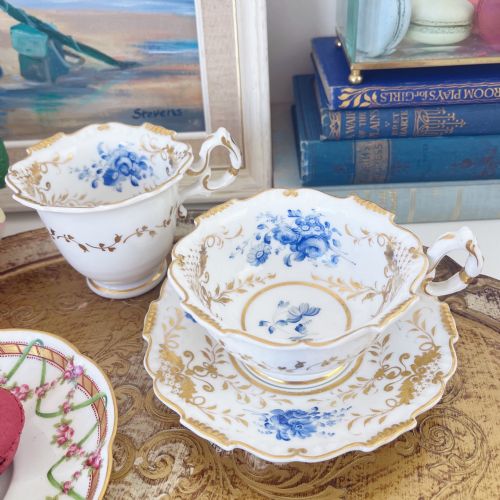
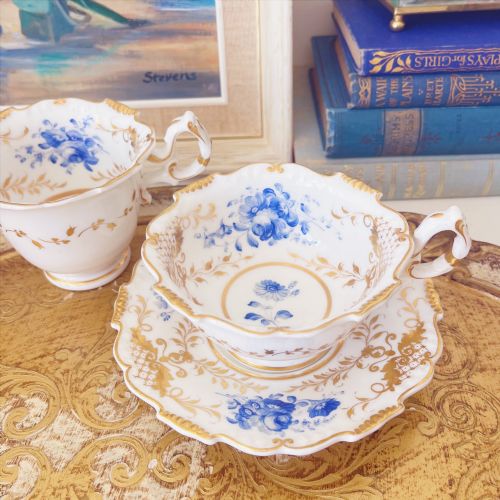
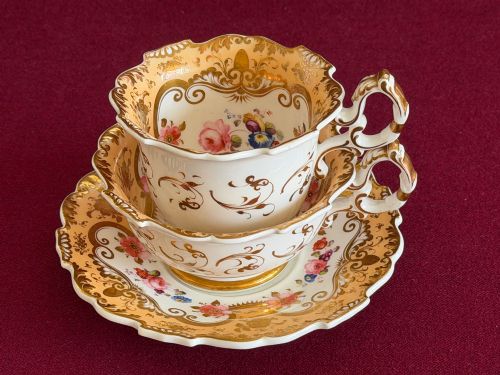
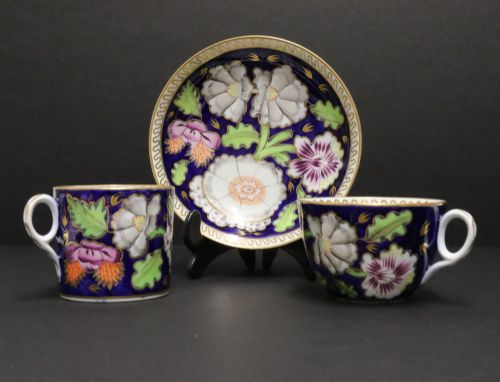
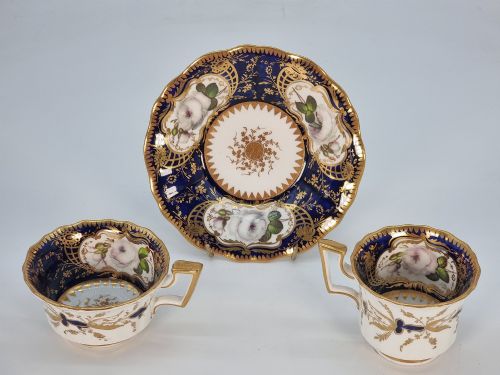
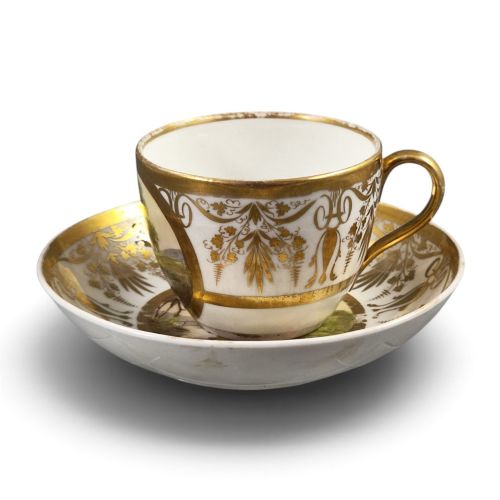
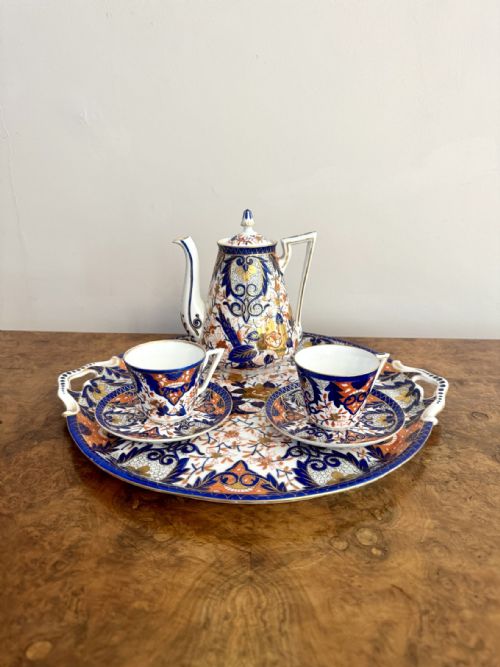
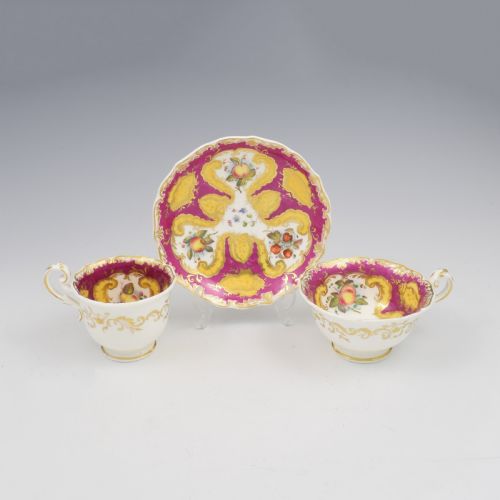
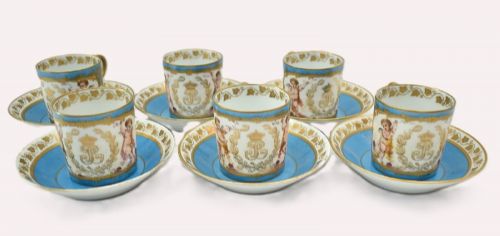
When you search for an antique porcelain coffee set, you encounter everything from single cabinet trios and demitasse cups to full multi-person services. The versions you meet most often on this page date from the nineteenth century, spanning Regency, Georgian, and Victorian periods, alongside occasional early twentieth-century examples.
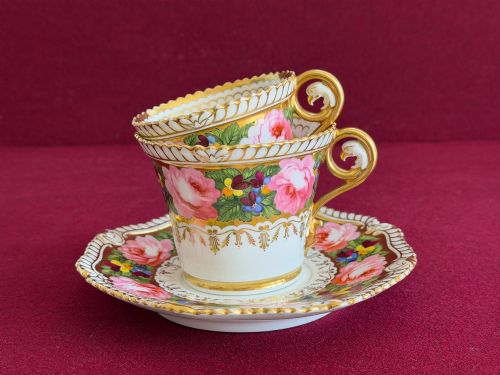
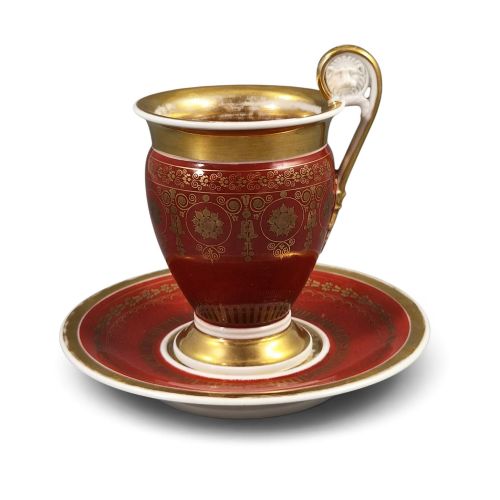
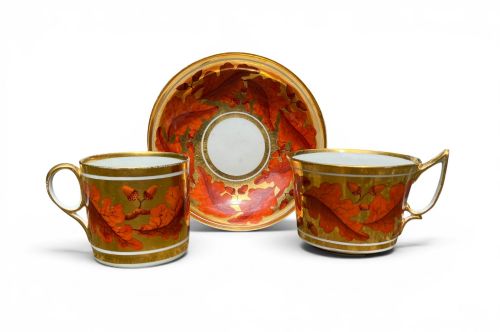
The forms range from cylindrical coffee cans and lion-masked handled cups to complete cased services with matching saucers and spoons. English factories such as Coalport, Worcester, and Minton sit alongside continental makers like KPM Berlin and Meissen, reflecting the broad international scope of these wares.
Materials and production methods
The makers relied on hard-paste porcelain and bone china as the structural body for these vessels, fired at high temperatures to achieve durability and a smooth white ground. Artisans then applied handpainted botanical motifs, landscapes, and patterns directly onto the ceramic surface before glazing.
Gilding and gold leaf accent the rims, handles, and borders, often combined with polychrome enamel work. Many pieces incorporate specialised techniques such as silver mounts or intricate transfer printing finished by hand.
The archive includes sets designed for single users alongside service combinations intended for up to ten people.
Distinctions in craftsmanship
The division between standard production and top-tier execution rests on the crispness of the handpainted details and the purity of the porcelain body. Finer services display precise brushwork, such as detailed landscapes or intricate floral patterns, executed by named or highly skilled factory decorators rather than simple stencilling.
Preservation of the original gilding and enamel colours also dictates the standing of a set. Examples that retain their burnished gold leaf and show minimal wear to the glaze command greater attention from collectors.
H & R Daniel·Chamberlain Worcester·Newhall porcelain·Coalport John Rose·KPM Berlin·Sevres Porcelain·Shelley·Royal Worcester·Elkington·Ahrenfeldt & Asalvary·Meissen·Davenport·Minton·Russian Imperial Porcelain Manufactory·Thomas Steel·Spode·Hutschenreuther·Royal Crown Derby·Victoria Austria
The Antique Porcelain Coffee Set Glossary
- Demitasse
- A small cup used for serving strong black coffee or espresso. It typically holds significantly less liquid than a standard teacup.
- Trio
- A matched set consisting of a teacup, a coffee cup, and a matching saucer. This grouping allows for the service of both beverages from a single table setting.
- Coffee Can
- A straight-sided, cylindrical cup designed specifically for serving coffee during the Georgian and Regency periods. They often feature simple loop handles.
- Hard-paste porcelain
- A ceramic material composed of kaolin and petuntse, fired at very high temperatures to produce a dense, translucent body. It resists scratching and absorbs little moisture.
- Gilding
- The application of gold leaf, gold dust, or gold paint to the surface of porcelain. It is frequently fired onto the glaze to secure the metallic finish.
Antique Porcelain Coffee Set: Frequently Asked Questions
What is the difference between a coffee cup and a teacup?
Coffee cups from the nineteenth century are frequently narrower and taller, often shaped as cylindrical cans, to help retain the heat of smaller portions of strong brew. Teacups tend to be wider and shallower to allow the hotter liquid to cool more rapidly during drinking.
In many period trios, both cups share the same saucer, matching the decorative pattern of the service while serving distinct functions at the table.
How do I care for antique porcelain daily?
Wash these pieces exclusively by hand in warm water using a mild detergent, avoiding modern dishwashers entirely. The aggressive heat and harsh chemicals in automatic washers will strip delicate handpainted enamels and wear away fine gold gilding.
Dry each piece promptly with a soft linen cloth to prevent water spots on the glazed ceramic surface.
Can I still use these sets for serving coffee?
Many collectors use their antique porcelain for special occasions, provided they handle the fragile ceramic and aged gilding with extreme care. Sudden thermal shock, such as pouring boiling water directly into a cold cup, can crack nineteenth-century hard-paste or bone china.
Warming the vessel slightly with warm water before adding hot coffee helps mitigate this risk during use.
How do I identify the period of a porcelain set?
Examine the base of the cups and saucers for factory marks, impressed ciphers, or painted pattern numbers, which often correlate to specific production dates. The overall aesthetic, such as the neoclassical forms of the Regency period or the geometric patterns of the Art Deco era, provides further chronological context.
Stylistic cues like handle shape and floral motifs help narrow down the decade of manufacture when factory marks are absent.