


Bone China Coffee Cups
Bone china coffee cups bring tangible weight and crisp form to the morning routine, pairing historical manufacture with daily utility.
Bone China Coffee Cups
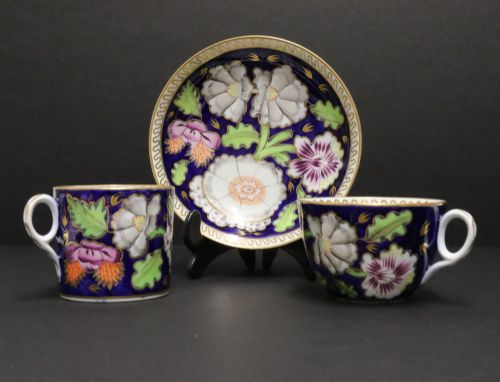
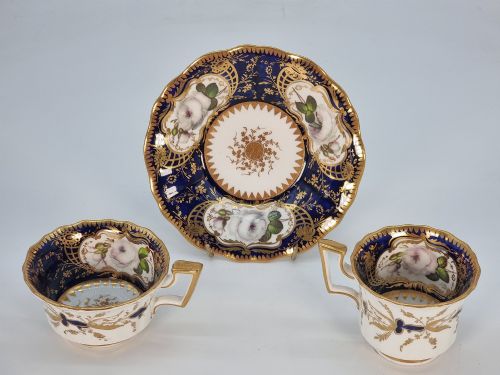
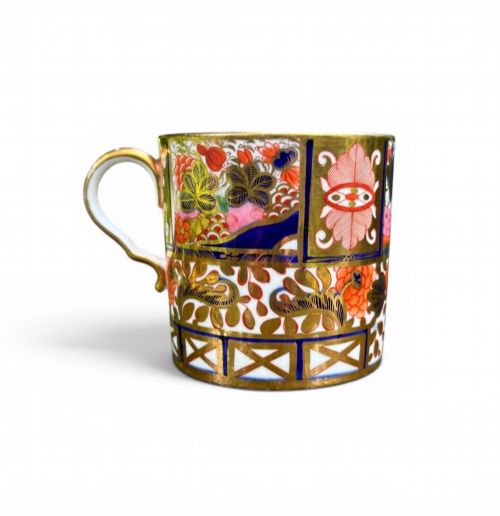
When you examine bone china coffee cups on this page, you encounter forms stretching from Georgian cabinet trios to Edwardian and later twentieth-century demitasse services. These pieces encompass coffee cans, cups, and saucers produced across the nineteenth and twentieth centuries.
The selection ranges from early nineteenth-century Regency shapes to later Victorian and Edwardian examples. You will find both single cabinet pieces and matched sets designed for functional service.
Makers represented span traditional English potteries producing tea and coffee wares in periods such as the Georgian, Victorian, and Edwardian eras. Each piece reflects the prevailing style of its decade, from Neoclassical influences to traditional British motifs.
Materials and construction
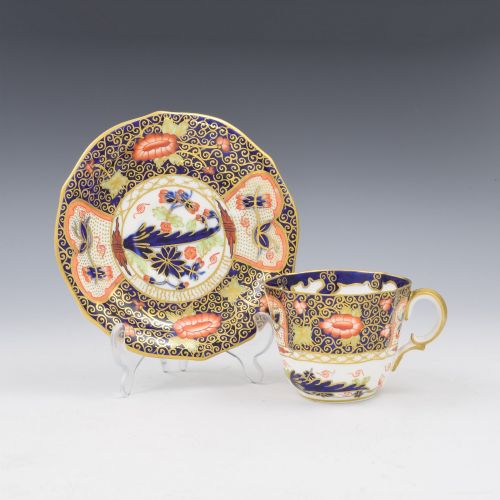
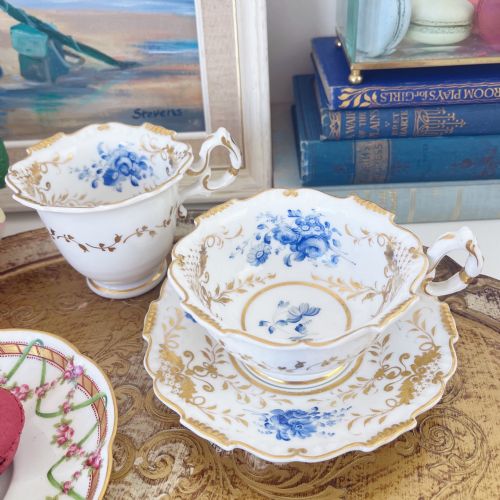
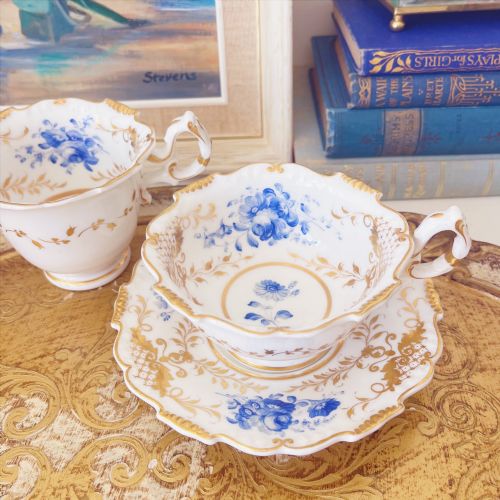
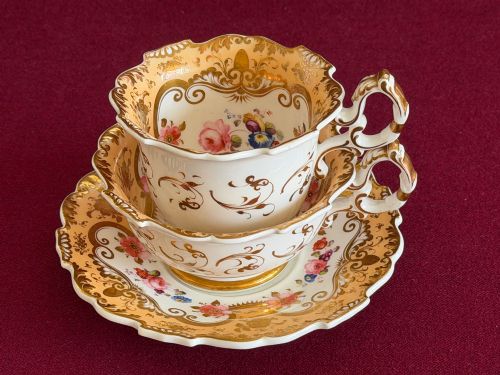
Potters constructed these items using bone china and porcelain bodies, which allowed for thinner walls while retaining structural integrity. Artisans applied gold leaf, gilding, and enamel decoration by hand to finish the surfaces.
Many pieces display handpainted motifs executed over or under the glaze, alongside intricate gilt borders. Firing techniques of the respective periods determined the translucency and ring of the finished china.
Look closely for pattern names like Crazy Cow and Bengal Tiger hiding beneath nineteenth-century glazes.
Assessing quality and execution
Quality rests in the crispness of the porcelain body, the precision of the handpainted brushwork, and the preservation of the gold gilding. Superior examples show meticulous control in pattern registration and enamel application.
The finesse of the handle moulding and the thinness of the thrown or slip-cast cup wall separate standard production from high-grade cabinet pieces. Preservation of the original gilding and enamel colouration significantly elevates the standing of any individual item.
Royal Crown Derby·H and R Daniel·Newhall·Coalport·Spode·Royal Worcester·Davenport·Minton·Spode Copeland
The Bone China Coffee Cups Glossary
- Bone china
- A type of soft-paste porcelain incorporating animal bone ash, resulting in a strong, highly translucent ceramic body. This material permits thinner vessel walls than standard hard-paste porcelain.
- Coffee can
- A straight-sided cylindrical cup designed specifically for drinking coffee, popular during the Georgian and Regency periods. These vessels lack the flared bowl shape typical of tea bowls.
- Demitasse
- A small cup used for serving espresso or strong black coffee. The term translates from French as half-cup.
- Cabinet trio
- A matched set consisting of a teacup, a coffee cup, and a saucer intended for display rather than robust daily use. These often showcase the highest standard of factory decoration.
- Gilding
- The application of gold leaf or gold paint to ceramic surfaces for decorative accent. On older pieces, this is often burnished by hand to achieve a subtle matte or bright shine.
Bone China Coffee Cups: Frequently Asked Questions
What is a coffee can?
A coffee can is a straight-sided cylindrical cup without a traditional footed base, common in early nineteenth-century tableware.
They were designed to hold strong coffee before the wider adoption of flared demitasse cups.
What is a cabinet trio?
A cabinet trio comprises a matching teacup, coffee cup, and saucer created primarily for display in a cabinet.
They demonstrate the full decorative repertoire of the pottery at the time of manufacture.
Can I use these cups daily?
While robust enough for occasional use, older porcelain requires careful handling to preserve delicate handpainted enamels and gold leaf.
Many collectors prefer to reserve them for special occasions rather than daily service.