



English Porcelain Demitasse Cups
English porcelain demitasse cups are small vessels for serving strong black coffee, prized for their delicate bodies and painted decoration.
English Porcelain Demitasse Cups
English porcelain demitasse cups include small coffee cans, cups and saucers, and cabinet cups designed for after-dinner service. These pieces span the eighteenth, nineteenth, and twentieth centuries, taking forms from Georgian coffee cans to later cased sets and services.
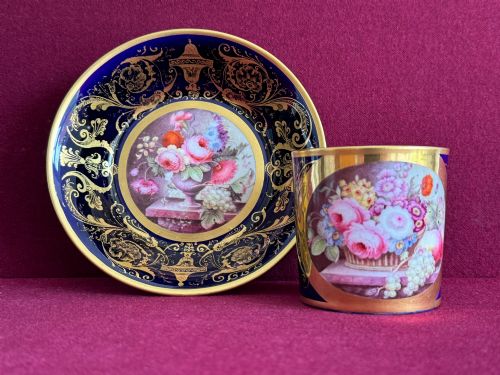
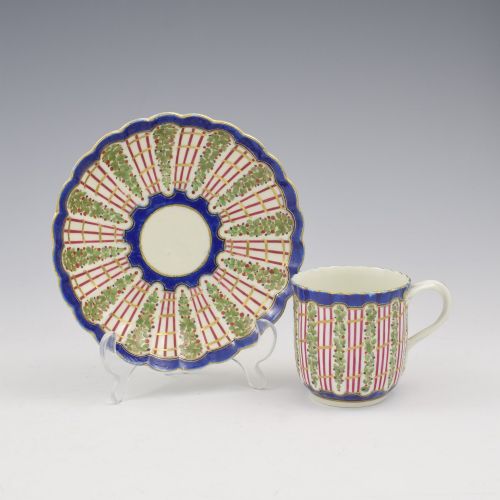
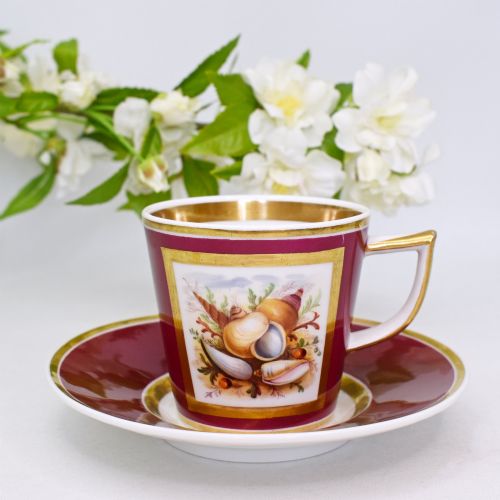
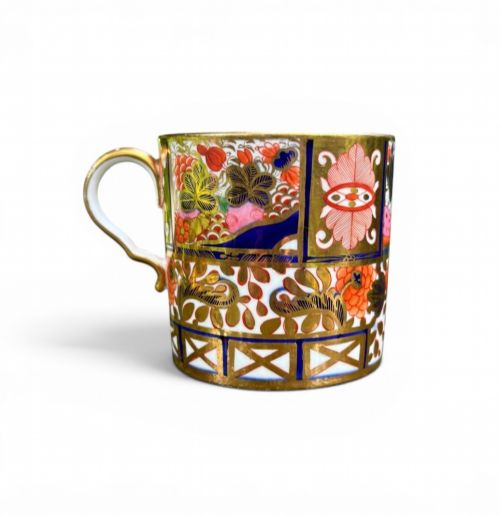
Makers decorated these small cups with hand-painted landscapes, Imari patterns, dragon motifs, and hop trellis designs. Enamel colours and gold leaf gilding frequently accent the porcelain bodies across traditional British styles.
How they were made
Potters shaped these vessels using porcelain, soft-paste porcelain, and bone china before firing them in kilns. Artisans then applied painted decoration using enamel colours, sometimes adding gold leaf or gold gilt to handles and rims.
Factories employed skilled painters to execute detailed landscape panels, Imari patterns, and botanical subjects by hand. Many pieces received pattern numbers or factory marks on the underside to record the design and origin.
English Porcelain Demitasse Cups Retail Price Guide 2026
Typical asking prices for english porcelain demitasse cups among the pieces listed under this phrase on Sellingantiques today, from the lower quarter to the upper quarter. They describe what is for sale here now, not the wider market.
Listings feature porcelain, bone china, and soft-paste porcelain across periods spanning the eighteenth century to the mid-twentieth century.
What varies in quality
The quality of english porcelain demitasse cups rests upon the fineness of the porcelain body and the precision of the potting. Thinner, more translucent walls require greater skill in both forming and firing.
Painted decoration creates another clear distinction between pieces, separating factory output with simple borders from elaborate hand-painted landscapes and detailed enamel work. The crispness of the gilding and the preservation of the gold leaf further separate standard production from superior cabinet pieces.
Dr Wall Worcester·Rockingham·Yates Leeds·Minton·Spode·Coalport·Royal Worcester·Spode Copeland·Ridgeway
The English Porcelain Demitasse Cups Glossary
- Demitasse
- A small cup used for serving black coffee after a meal. The term translates from French to mean half-cup.
- Coffee Can
- A straight-sided cylindrical cup without a traditional curved handle, popular during the Georgian and Regency periods. These vessels often sat on matching saucers.
- Soft-Paste Porcelain
- An artificial porcelain body composed of clay and glass frit, fired at lower temperatures than hard-paste. Eighteenth-century factories such as Worcester utilised this material.
- Imari
- A decorative style inspired by Japanese export wares, featuring iron red, underglaze blue, and gold gilt. Spode and other English factories adopted these patterns.
- Enamel
- Opaque glass used as a pigment for painting over the fired porcelain glaze. Artisans fixed these colours with a secondary low-temperature firing.
English Porcelain Demitasse Cups: Frequently Asked Questions
What is a demitasse cup?
A demitasse cup is a small vessel designed specifically for serving strong black coffee after meals. These cups hold a smaller volume than standard teacups.
In English ceramics, these pieces often take the form of cylindrical coffee cans or delicate handleless cups paired with matching saucers.
Were these cups meant for daily use?
Many nineteenth and twentieth century sets saw regular use in domestic dining rooms for after-dinner coffee service. Finer cabinet cups served primarily as ornamental display pieces.
Handling these fragile vessels requires care due to the thin porcelain walls and delicate gold leaf gilding applied to the rims and handles.
What does Imari pattern mean on English porcelain?
Imari patterns on English porcelain imitate the traditional Japanese export wares characterised by a distinct palette of iron red, underglaze blue, and gold gilt. Factories like Spode adopted these bold schemes during the Georgian period.
The contrasting colours and geometric or floral panels made these designs enduringly popular for coffee wares.