


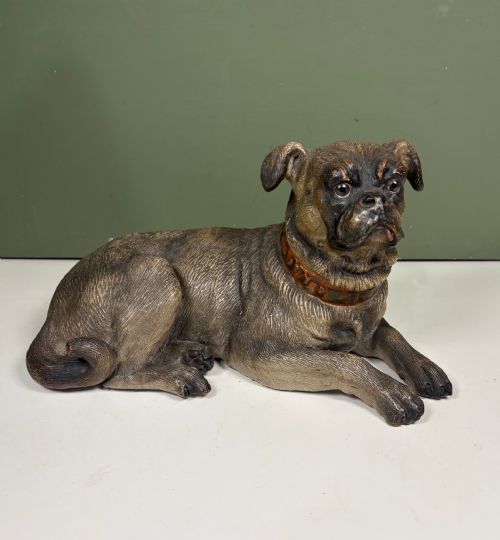

19th Century Ceramic Sculpture
These pieces of 19th century ceramic sculpture bring cabinet-sized classical figures, animals and allegorical groups into the home with intricate detail.
19th Century Ceramic Sculpture
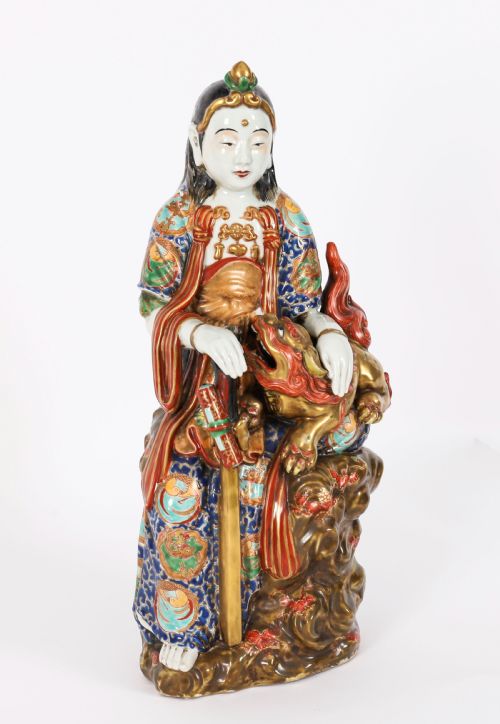
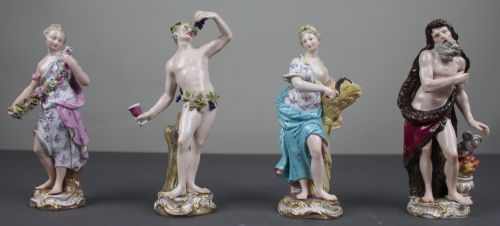
A 19th century ceramic sculpture encompasses a diverse range of figures, portrait busts and figural groups produced across European and Asian kilns during the Victorian era. Buyers searching this phrase meet everything from parian literary groups and earthenware animals to glazed porcelain birds and terracotta busts.
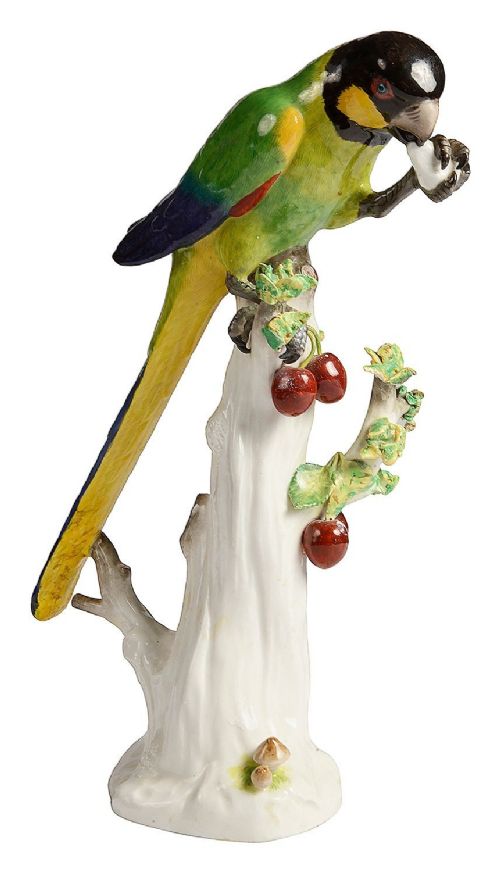
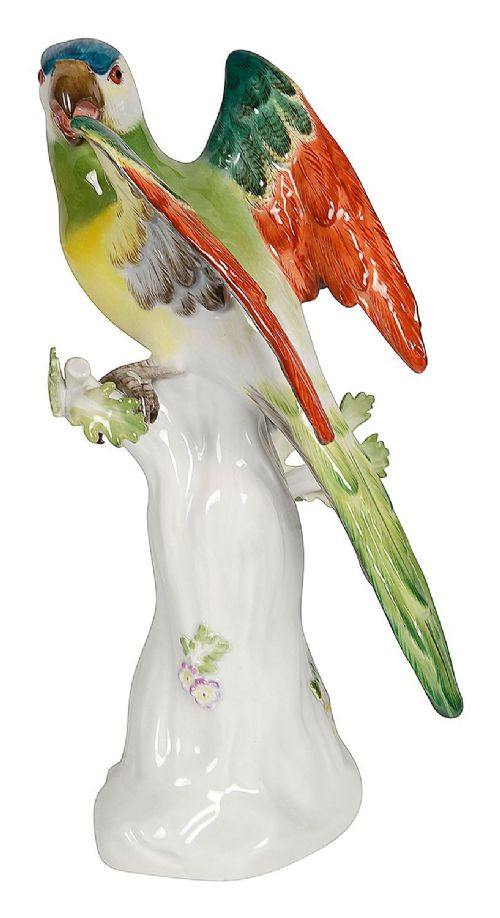
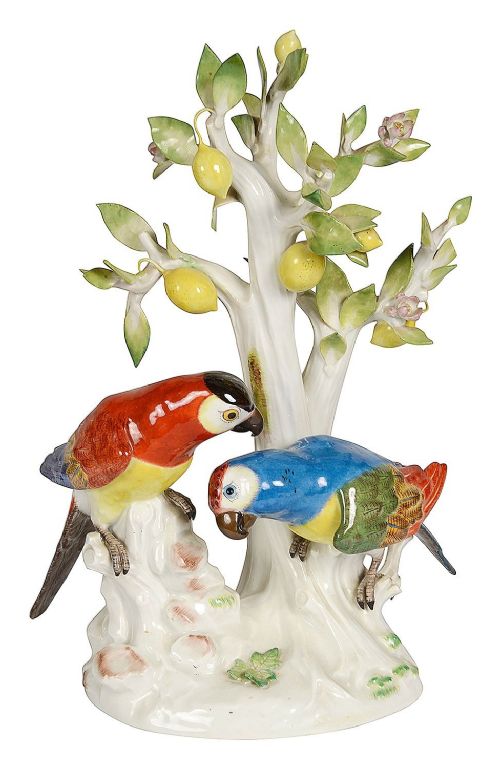
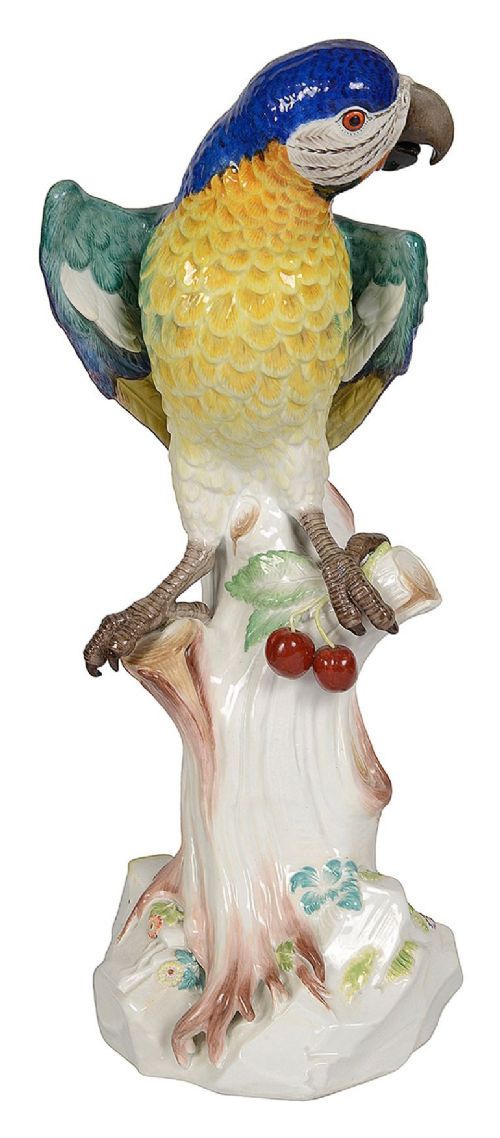
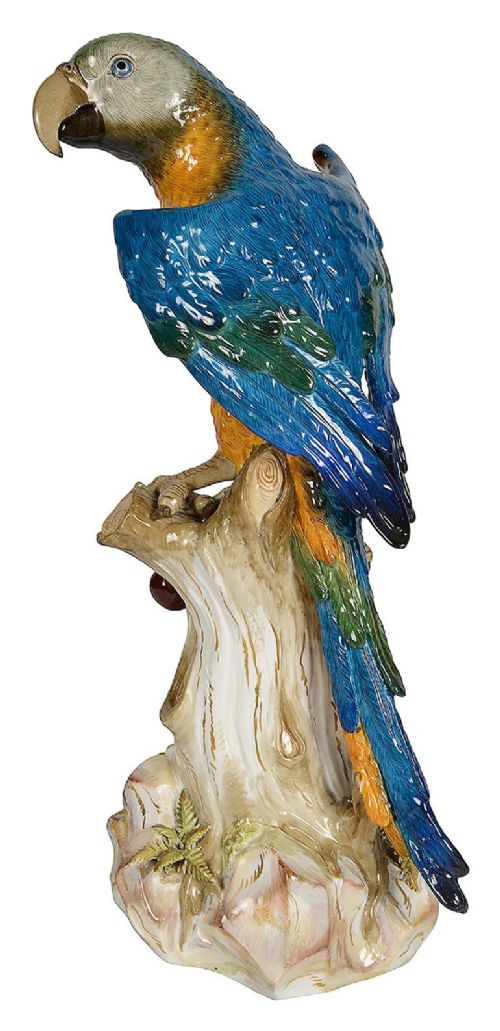
The objects span domestic mantelpiece ornaments, decorative pairs and substantial sculptural studies after classical models. Meissen birds, parian mythological figures and Staffordshire dogs dominate the forms encountered in these listings.
Originating from English potteries, French porcelain houses, German factories and Japanese kilns, these works capture the broad stylistic shifts from neoclassical restraint to exuberant Victorian revivalism.
Materials and methods
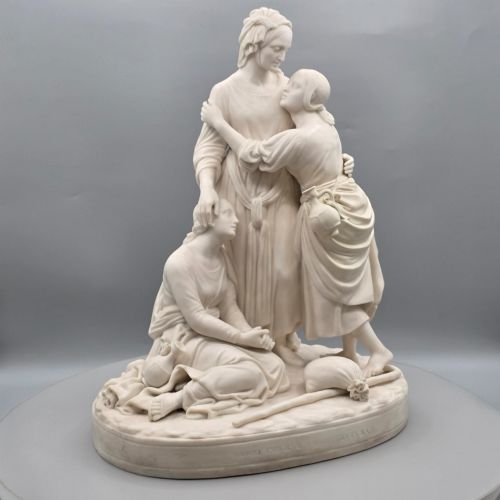
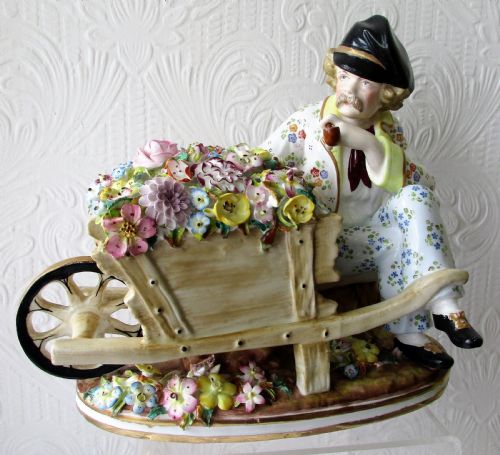
Makers utilised hard-paste porcelain, earthenware, terracotta and unglazed parian porcelain to achieve distinct surface textures and levels of detail. Parian ware provided a smooth, marble-like finish suited to neoclassical nudes and literary groups, while painted hard-paste porcelain allowed for vibrant polychrome glazes on birds and human figures.
Moulds captured intricate details such as feathered plumage, floral garlands and facial expressions before pieces underwent high-temperature firing. Enamel colours and gold leaf were applied in subsequent firings to accentuate garments, bases and decorative attributes.
Potteries relied on slip casting and pressing techniques to produce complex sculptural groupings involving multiple figures, animals and botanical elements.
Listings feature 19th century ceramic sculpture in parian porcelain, terracotta, earthenware and hard-paste porcelain from English, French, German and Asian makers.
Distinctions in quality
Painting quality defines the upper tier of glazed figures, where hand-pencilled feather patterns, subtle skin tones and precise gilding elevate the object. Inferior examples exhibit heavy, uniform washes of colour and clumsy brushwork.
The scale and ambition of the casting also dictate value; large multi-figure groups and monumental animal studies require greater technical skill to prevent warping during the firing process.
Meissen·Minton·Royal Worcester·Goldscheider·John Bevington·Thomas Parr·Luca Madrassi·C. G. Schierholz·Niderviller
The 19th Century Ceramic Sculpture Glossary
- Parian Porcelain
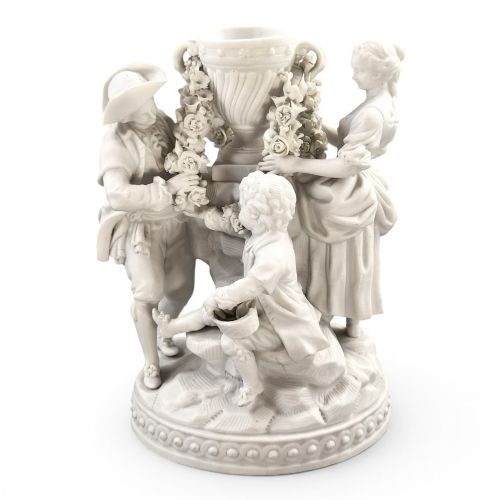
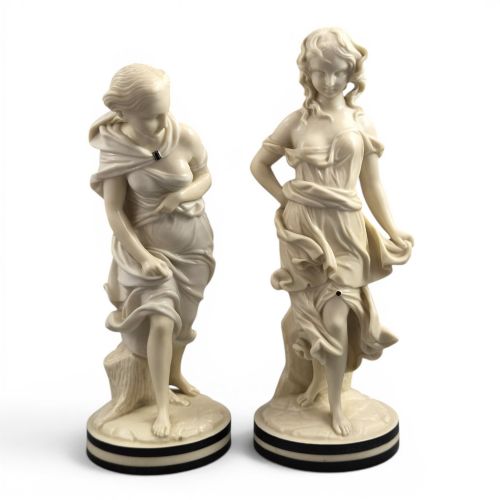
- An unglazed, fine-grained porcelain developed in the mid-19th century to imitate carved white marble. It gained immense popularity for classical and literary statuary.
- Bisque Porcelain
- Biscuit porcelain fired without a glaze to produce a matte, porous surface resembling marble. It is frequently found on portrait busts and French sculptural groups.
- Hard-Paste Porcelain
- A durable ceramic composition fired at very high temperatures using kaolin and petuntse. European factories utilised it for robust, highly detailed coloured figures.
- Terracotta
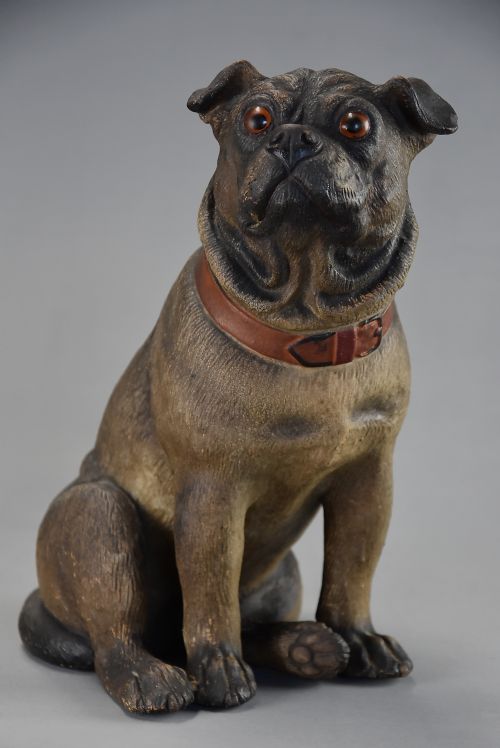
- Baked red or buff earthenware fired at lower temperatures, commonly used for portrait busts and animal figures. It allows for warm, earthy tones and textured surfaces.
- Earthenware
- Porous pottery fired at lower temperatures and coated with an opaque or transparent glaze. Staffordshire potteries relied heavily on this material for popular animal figures and historical groups.
19th Century Ceramic Sculpture: Frequently Asked Questions
Were these figures meant for display?
Nineteenth-century households placed these sculptures on mantelpieces, side tables and in glass cabinets as markers of cultural literacy and taste. Parian groups served as affordable substitutes for marble gallery pieces.
Larger animal figures and decorative vases anchored room corners or filled empty hearths during warmer months. Smaller pairs of birds or figures balanced symmetrical furniture arrangements.
How do I identify parian ware?
Parian porcelain feels cool and heavy, possessing a matte finish that resembles carved marble rather than glossy household china. It lacks transparent glaze entirely, showing a creamy white texture.
Manufacturers often stamped or impressed factory marks, titles or model numbers directly into the unglazed base. The material responds poorly to harsh scrubbing because its surface absorbs oils from skin.
What caused the craze for ceramic animals?
Victorian domestic life embraced natural history and exotic exploration, prompting potteries to supply lifelike models of parrots, dogs and farm animals. Staffordshire figures captured contemporary news events and popular sentiment through familiar creatures.
Continental factories exported large, highly detailed models like pugs, cockerels and elephants to satisfy the growing bourgeois market for decorative luxury.