


Collectible Ceramics
Collectible ceramics encompass decorative figures, painted plates, and varied vessels from the Georgian period through to the 1940s, offering tangible connections to historical kilns.
Collectible Ceramics
When searching for collectible ceramics, buyers encounter a diverse array of objects spanning multiple centuries, from eighteenth-century figures to twentieth-century art pottery. The selection includes figurines, vases, decorative bowls, and plates, reflecting the evolving tastes of households across the Georgian, Victorian, Edwardian, and later periods.
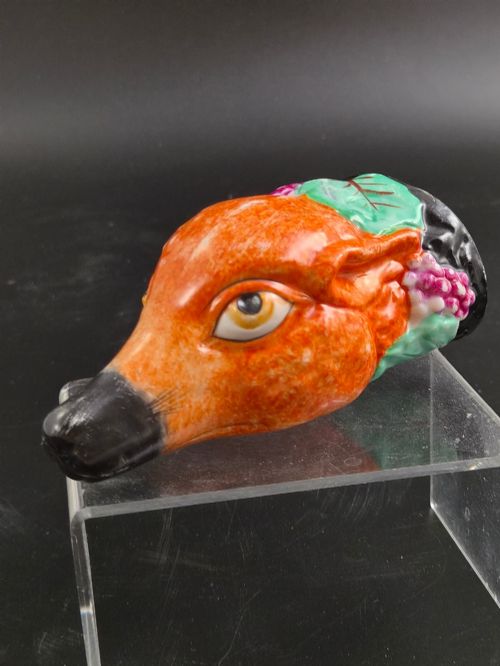
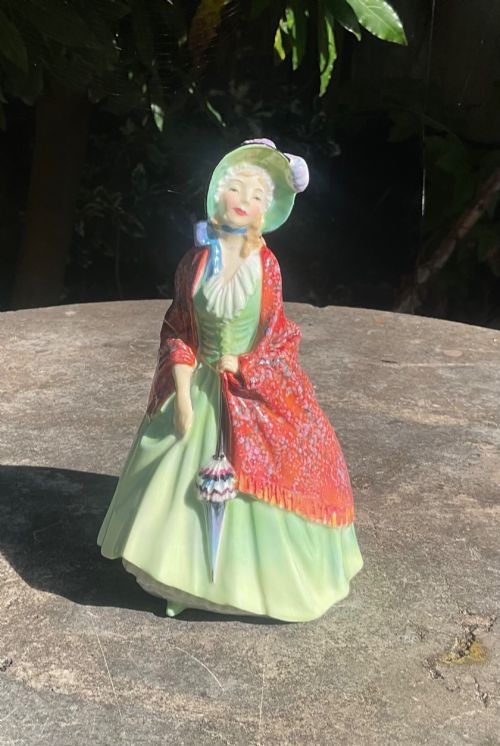
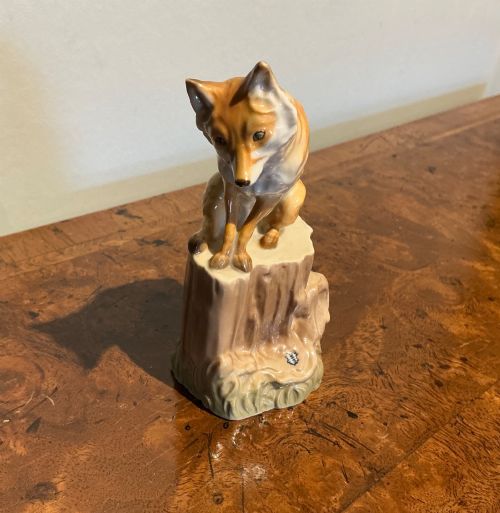
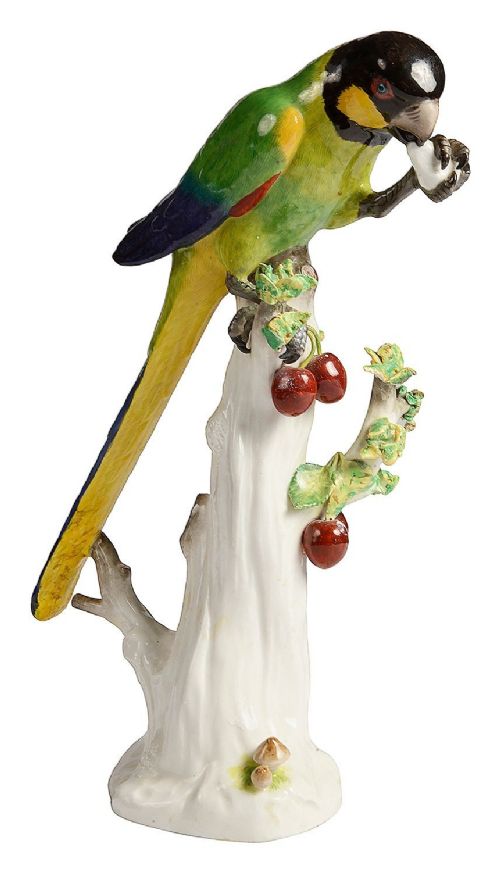
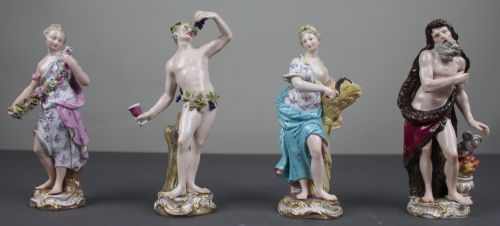
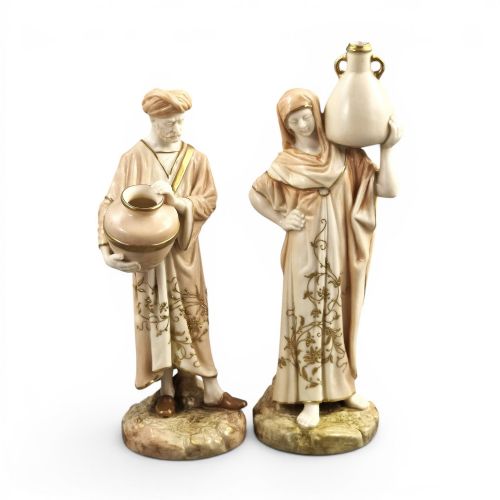
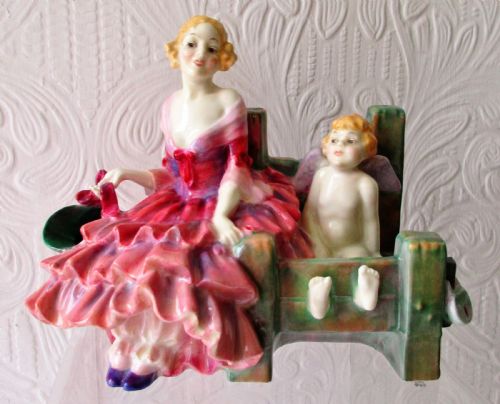
Figurines and animal studies form a prominent category within these listings, represented by works from makers such as Royal Doulton and Meissen alongside Staffordshire earthenware. Functional and decorative vessels, including lustre bowls, majolica jugs, and painted cabinet plates, demonstrate the breadth of ceramic production available to collectors.
Materials and Technique
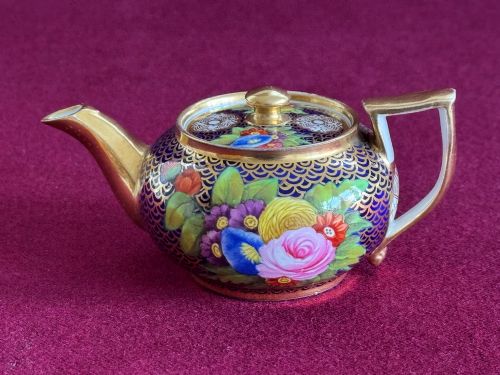
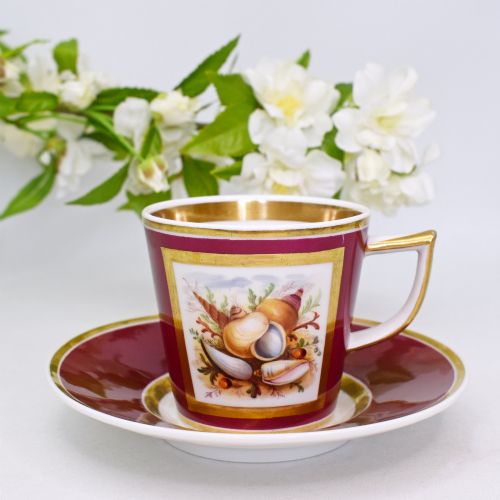
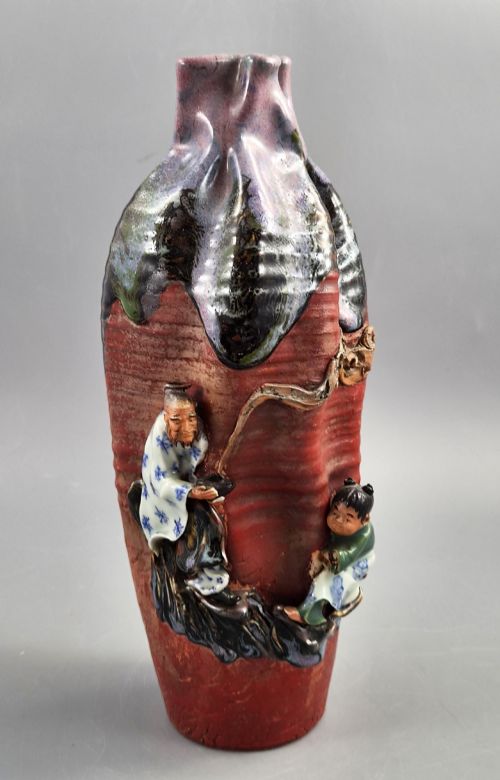
The objects use varied foundational materials, primarily porcelain, bone china, earthenware, and pearlware, shaped and fired in established European and British kilns. Surface decoration relies on enamel painting, gold leaf application, and distinct glaze formulations such as flambé and blush ivory effects.
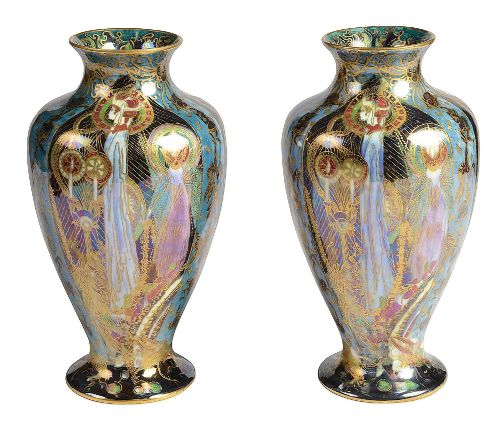
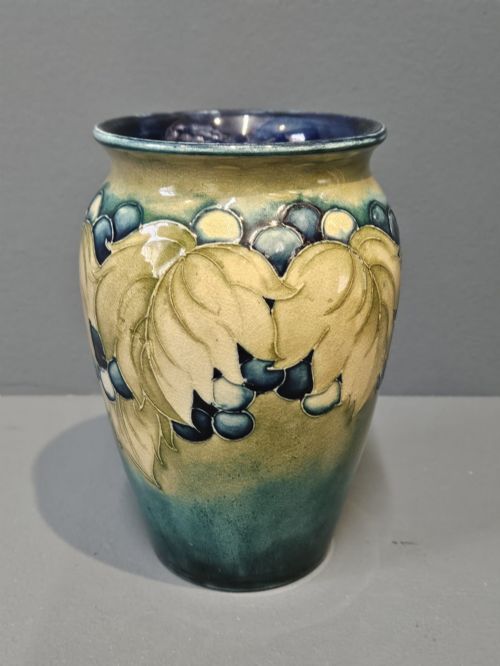
Specialised techniques distinguish particular styles, from the transfer printing and hand-painting seen on Regency porcelain to the rich iridescent lustres developed by designers like Daisy Makeig-Jones. Studio pottery methods and traditional earthenware throwing also account for textured pieces such as studio figures and regional money boxes.
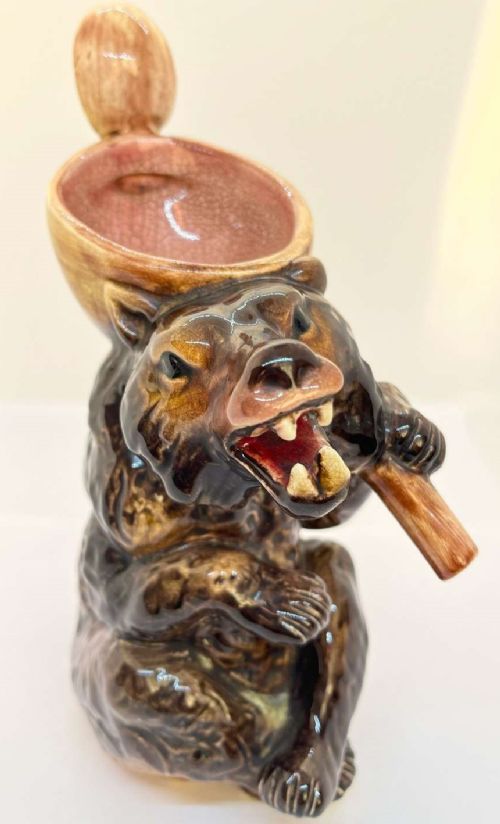
A nineteenth-century ceramic bear jug stands ready to serve, proving that historical tea tables welcomed a touch of woodland wildlife.
Craftsmanship and Execution
Quality in these pieces rests upon the precision of the modelling and the finesse of the hand-painted decoration, separating standard production wares from masterworks. The crispness of relief details in items like jasper flagons or majolica figures indicates the condition of the original moulds and the skill applied during finishing.
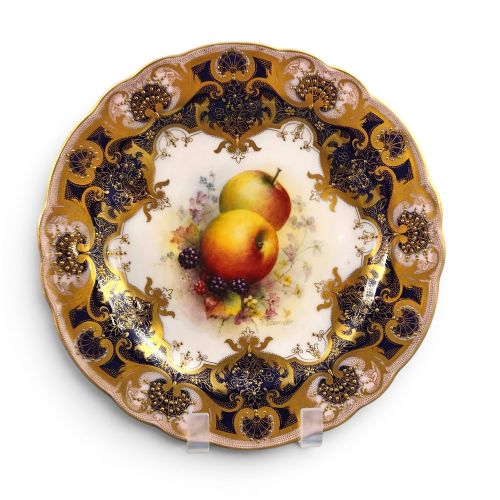
The complexity of the glaze or enamel palette further defines the tier of an object, visible in the depth of lustre finishes and the delicate shading on painted fruit plates or porcelain figures. Pieces retaining complete signatures, pattern numbers, or first-year production statuses demonstrate superior workshop provenance.
Royal Doulton·Meissen·Royal Worcester·Moorcroft·Wedgwood
The Collectible Ceramics Glossary
- Porcelain
- A hard, fine-grained ceramic material fired at high temperatures, known for its translucence and white body. It serves as the primary substrate for delicate figurines and fine tea wares.
- Majolica
- A type of earthenware coated with an opaque tin glaze and painted with brightly coloured metallic oxides. Victorian examples often feature naturalistic plant and animal motifs in high relief.
- Pearlware
- A refined form of earthenware developed in the late eighteenth century featuring a subtle blue-tinted glaze over a pale body to mimic porcelain. It is commonly found on early nineteenth-century figures and tableware.
- Lustre
- A metallic ceramic glaze that produces an iridescent sheen through a specialised reduction firing process. Wedgwood Fairyland pieces utilise this technique to achieve complex, multi-coloured effects.
- Flambé
- A rich, streaky glaze produced by introducing reducing gases into the kiln during firing, causing copper oxides to create unpredictable red and purple hues. It is frequently seen on twentieth-century vases and flasks.
Collectible Ceramics: Frequently Asked Questions
What defines collectible ceramics?
These items comprise historical pottery, porcelain, and earthenware objects created for decorative or functional use across several centuries. They are sought after for their artistic design, regional heritage, and connection to notable factories.
Collectors appreciate how these pieces document changing domestic interiors and industrial techniques from the Georgian era through to the mid-twentieth century.
How do I identify period ceramic figures?
Dating ceramic figures involves examining the paste, glaze characteristics, and any impressed or painted factory marks on the base. Stylistic details in clothing and hair also provide reliable clues to the decade of manufacture.
Comparing pieces to documented examples from known makers helps narrow down the era when the ceramic body was shaped and fired.
How were majolica jugs used?
Victorian majolica jugs served practical functions for serving liquids at the table while doubling as decorative conversation pieces. Their heavy earthenware construction and vibrant coloured glazes made them durable additions to nineteenth-century dining.
Today, they are displayed as sculptural examples of nineteenth-century moulding and glazing techniques.
Where should I display porcelain figurines?
Porcelain figurines benefit from placement in stable display cabinets away from direct sunlight and heavy foot traffic. Adequate lighting enhances the painted details and delicate glazes without exposing the fragile ceramic to accidental knocks.
Keeping them on secure, level surfaces preserves their condition and allows the craftsmanship of the modelling to remain clearly visible.