
19th Century Carved Relief
These 19th century carved relief items bring sculptural depth to rooms through detailed craftsmanship spanning various global traditions.
19th Century Carved Relief
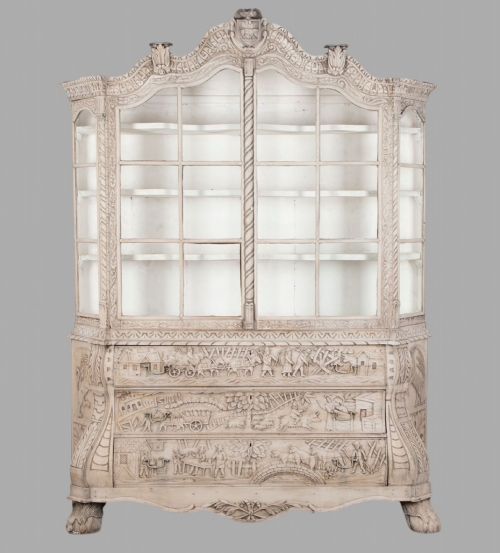
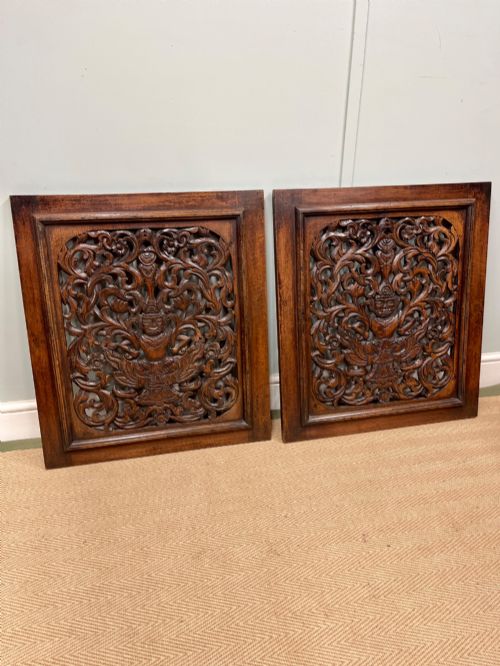
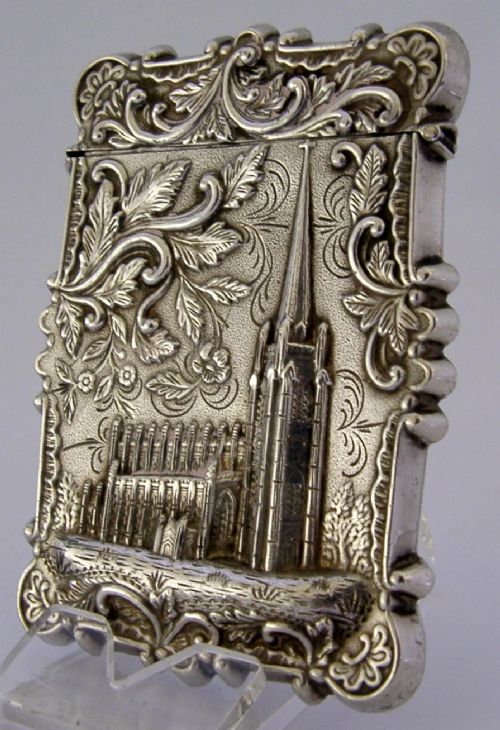
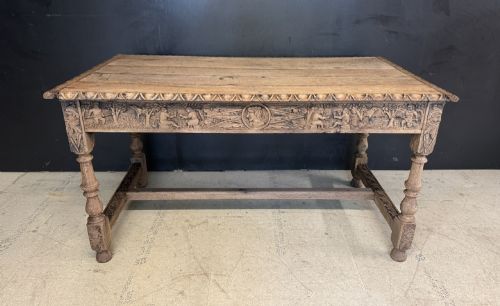
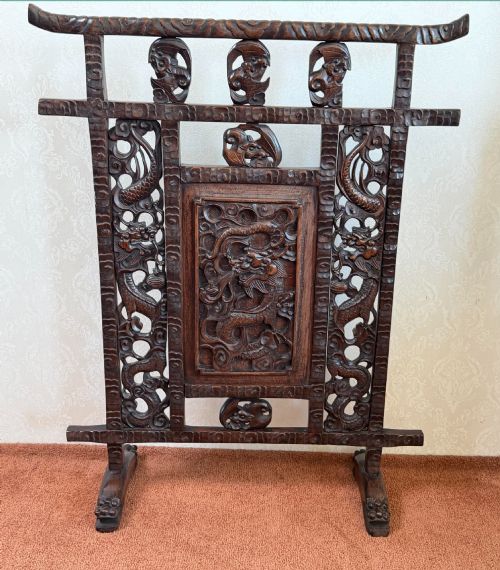
When searching for 19th century carved relief, a buyer looks at sculptural wall plaques, architectural fragments, and decorative panels that project outward from a flat background. These works range from European fruitwood trophy carvings and marble profile plaques to Chinese hardwood screens and polychrome wood ritual figures.
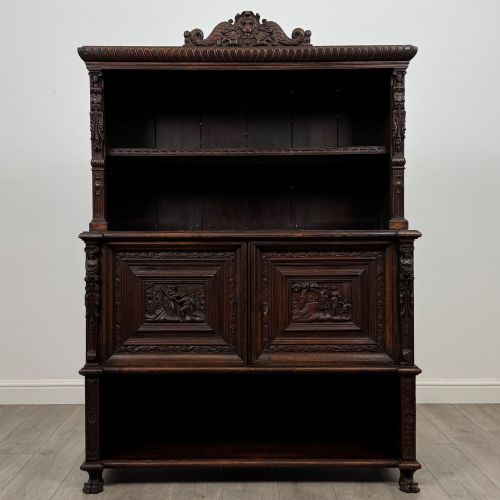
The versions most commonly met on this page include oak wall panels, framed marble plaques, and timber decorative elements originating from Victorian, Gothic Revival, and Qing Dynasty traditions. Such items function primarily as wall art or architectural furnishings designed to introduce texture and historical narrative into an interior space.
Materials and construction techniques
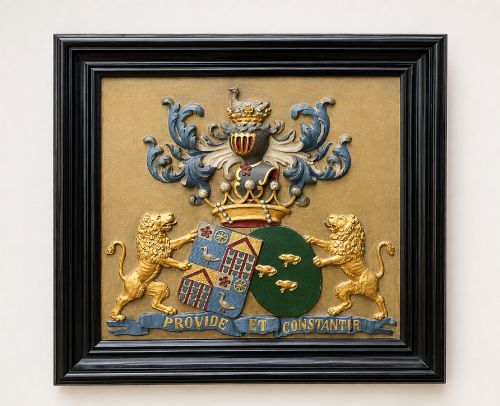
The makers of these pieces utilised dense timbers such as oak, hardwood, fruitwood, and birch, alongside materials like bronze, copper-alloy, marble, gesso, and ivory. Wood carvers employed sharp gouges and chisels to undercut forms, creating high-relief scenes of figures, foliage, and heraldry that emerge dramatically from the backing.
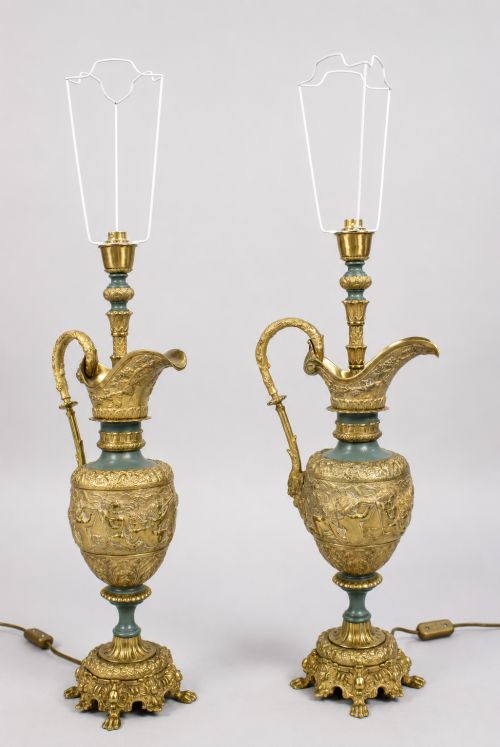
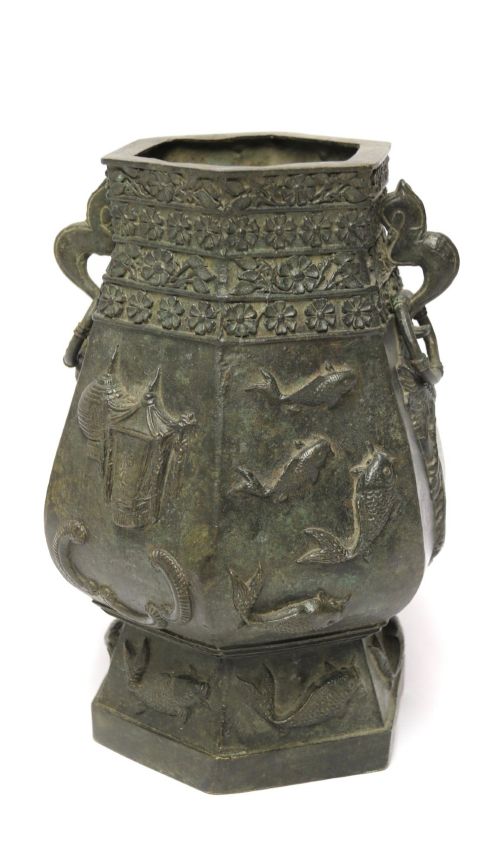
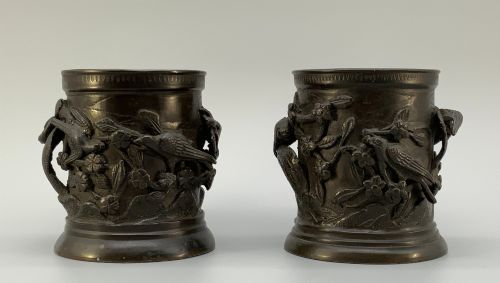
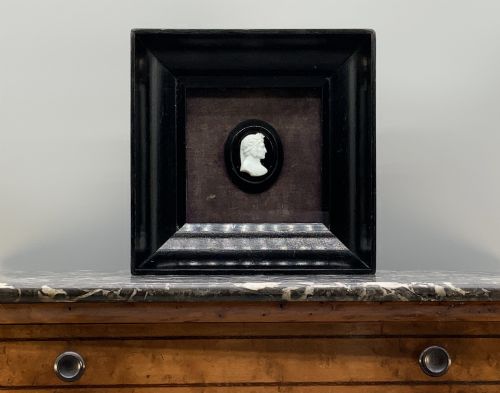
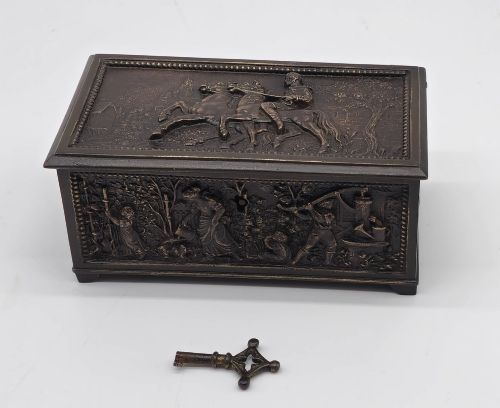
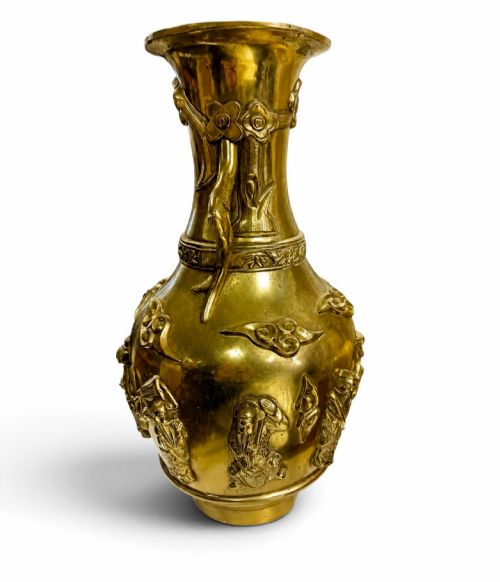
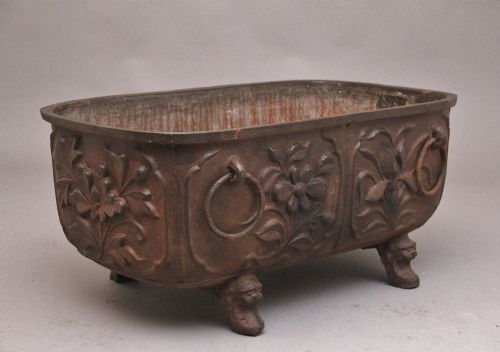
Metal items were cast using traditional methods such as bronze and brass casting, often followed by surface chasing to sharpen details like bird feathers and floral motifs. Stone and marble plaques relied on abrasive grinding and fine chiselling to achieve crisp profile portraits of classical figures and literary subjects.
What separates standard examples from the finest works
The highest quality examples demonstrate exceptional depth of undercut and anatomical accuracy in figures, where facial expressions and drapery folds possess natural movement rather than stiffness. Master carvers achieved clean, sharp transitions between background planes and raised motifs, avoiding the blunt edges seen in commercial production.
Condition and material integrity also separate superior works from ordinary pieces, with intact original mountings, minimal shrinkage cracks in timber, and crisp signatures or foundry marks indicating superior provenance. Lesser pieces often display simplified motifs, rounded relief edges, or extensive later repairs that obscure the original hand.
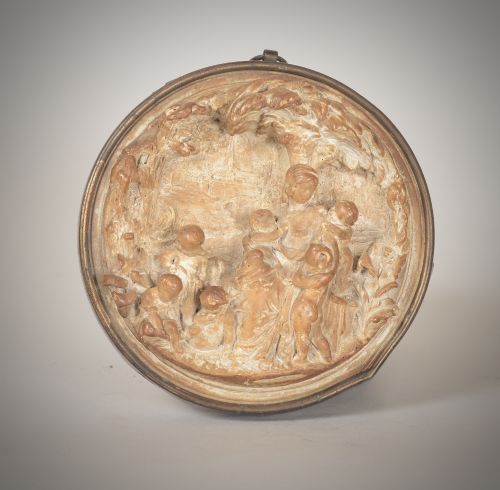
French Guichard Carriès
The 19th Century Carved Relief Glossary
- Relief
- A sculptural technique where elements remain attached to a solid background of the same material. High relief projects significantly from the plane, while low relief stays flatter.
- Gesso
- A plaster-like mixture applied to wood or canvas surfaces as a base for painting or gilding. It allowed artisans to mould intricate decorative frames and relief details.
- Grand Tour
- A traditional trip of Europe undertaken by upper-class young European men of means in the 19th century. Travellers often acquired carved plaques, cameos, and antiquities as souvenirs.
- Chinoiserie
- A European artistic style reflecting Chinese artistic influences, popular throughout the 19th century. It manifests in carved lacquer cabinets, screens, and decorative motifs.
- Gothic Revival
- An architectural and decorative style drawing inspiration from medieval forms. Pieces often incorporate pointed arches, tracery, and heavy carved oak.
19th Century Carved Relief: Frequently Asked Questions
Where were carved relief plaques displayed?
These plaques were typically mounted directly onto drawing room walls, incorporated into library wood panelling, or displayed on mantels within period homes.
Their substantial weight and decorative subjects made them focal points for domestic interior decoration and scholarly collections.
How do I care for wooden relief carvings?
Keep wooden panels away from direct heat sources and strong sunlight to prevent the timber from drying out and splitting over time.
Dust the intricate recesses gently with a soft brush and avoid applying heavy modern polishes that can build up within the carved details.
What subjects appear on these carvings?
Common subjects include classical portraits of historical figures, mythological scenes from ancient literature, and intricate floral or hunting motifs.
Asian pieces frequently depict Daoist immortals, dragons, and ritual figures reflecting regional spiritual traditions.
How can I tell the period of a carved panel?
Examine the tool marks left on the reverse and edges, as machine-sawn timber differs visibly from hand-adzed or pit-sawn 19th-century boards.
Stylistic markers such as Gothic Revival tracery or Neoclassical proportions also help anchor the piece firmly within the 1800s.