



19th Century Bronze Plaque
These pieces of 19th century bronze plaque bring tactile historical narratives and classical depth directly into domestic interiors through sculptural metalwork.
19th Century Bronze Plaque
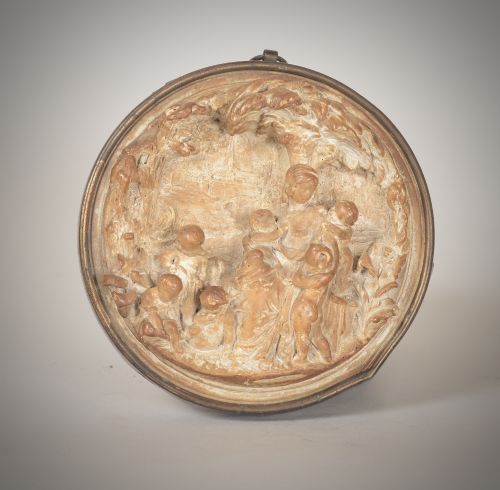
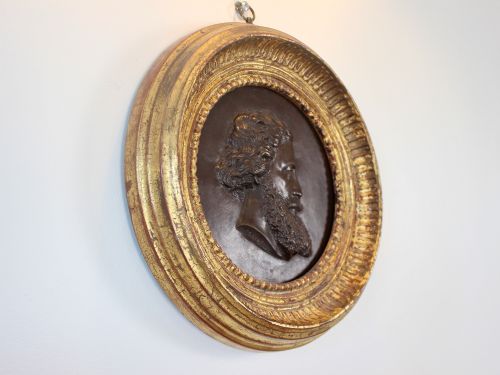
A 19th century bronze plaque is a flat or low-relief cast metal artwork designed for wall hanging, inset mounting on furniture, or desktop display. These objects capture portraits, classical scenes, armorial bearings, and historical figures from the Victorian era and preceding Regency styles.
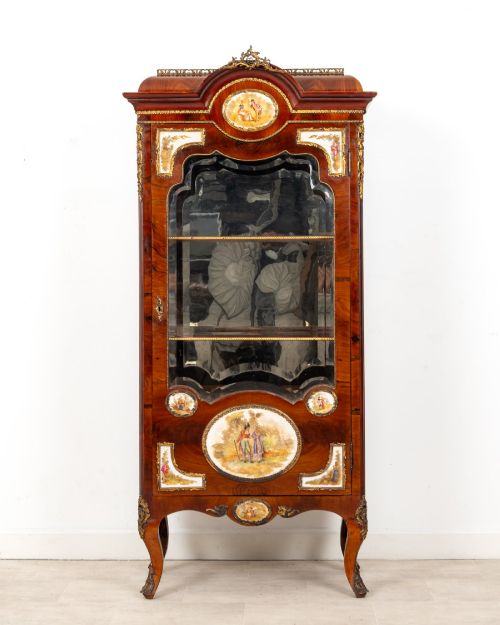
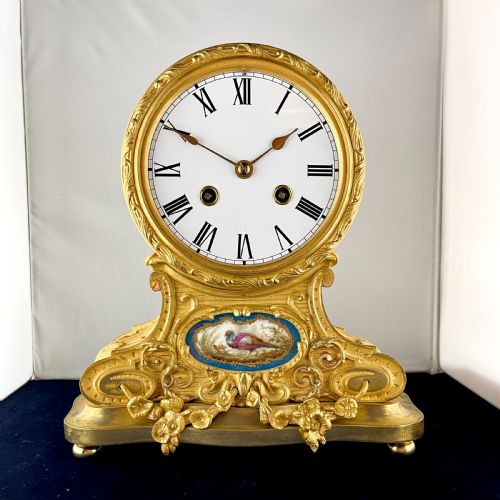
The selections encountered here range from small round portrait castings and rectangular battle scenes to architectural reliefs and decorative decorative insets mounted upon cabinets and clocks.
Materials and casting techniques
Makers utilised traditional foundry methods such as sand casting and lost-wax casting to achieve sharp detail in solid bronze, gilt bronze, and bronzed copper. Many works incorporate chased surface finishing where artisans refined hair, drapery, and background textures by hand using chisels and gravers.
Subsequent gilding, patination, or silvering was frequently applied to enhance the contrast between figures and fields, aligning with French Rococo, Louis XVI, and Neoclassical aesthetic preferences.
Listings feature materials including bronze, gilt bronze, copper, porcelain, and ormolu across the 19th century and Regency periods.
Distinctions in execution and finish
The presence of a recognised founder, sculptor, or workshop signature often elevates a piece, as does the integration of original gilt bronze mounts and patination that remains undisturbed by aggressive cleaning.
Mainfroy·Gustav Grohe·Elkington·Edward William Wyon·Coalbrookdale
The 19th Century Bronze Plaque Glossary
- Repousse
- Metalwork shaped by hammering from the reverse side to form a raised design in relief. This technique allows for expressive dimensionality on thinner copper or bronze sheets.
- Patination
- The natural or artificially induced surface coloration acquired by bronze over time. Chemical treatments were often applied in the nineteenth century to simulate ancient ageing.
- Ormolu
- Gilt bronze ornamentation applied to furniture, clocks, and architectural elements. The process involved coating bronze with a mercury and gold amalgam before heating.
- Relief
- Sculpture where figures project from a flat background plane. High relief projects significantly, while low relief remains closer to the surface plane.
- Gilt Bronze
- Bronze metalwork that has been coated with a thin layer of gold leaf or gold powder. It provides a bright, reflective finish popular in revivalist decorative arts.
19th Century Bronze Plaque: Frequently Asked Questions
Where were bronze plaques displayed originally?
Nineteenth-century interiors often displayed these metal reliefs mounted directly onto drawing room walls, framed within gallery groupings, or set into the wooden surfaces of desks, cabinets, and mantel clocks.
Cabinet makers also integrated them into bespoke furniture pieces to emulate grand architectural styles of earlier centuries.
How do I clean a bronze plaque?
Maintenance requires only gentle dusting with a soft, dry cloth to prevent the accumulation of grit in the recessed details of the relief.
Harsh chemical polishes must be avoided entirely because they strip away the historic patination and surface gilding that define the age and character of the object.
What subjects appear on these plaques?
Common iconographic themes include classical mythology, historical military battles, literary figures, and notable political leaders or monarchs.
Portrait plaques depicting poets, statesmen, and family ancestors were also widely produced during the Victorian period.
How can I tell the period?
Dating relies on stylistic clues such as the specific revival movement - ranging from Louis XVI to Renaissance styles - combined with the character of the metal alloy and casting marks.
Signatures, foundry stamps, and the integration with dated furniture types like credenzas or bonheurs du jour provide further chronological context.