
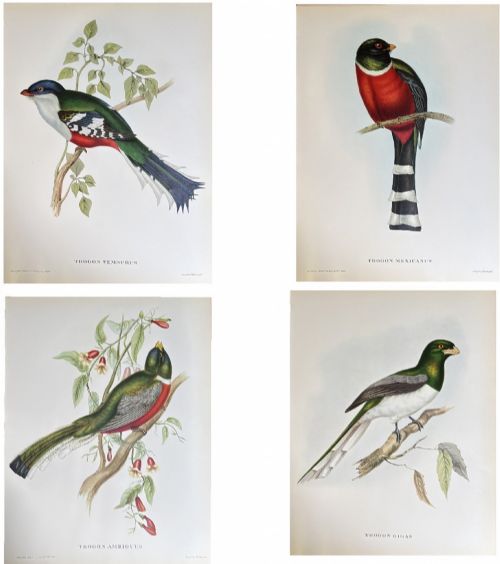
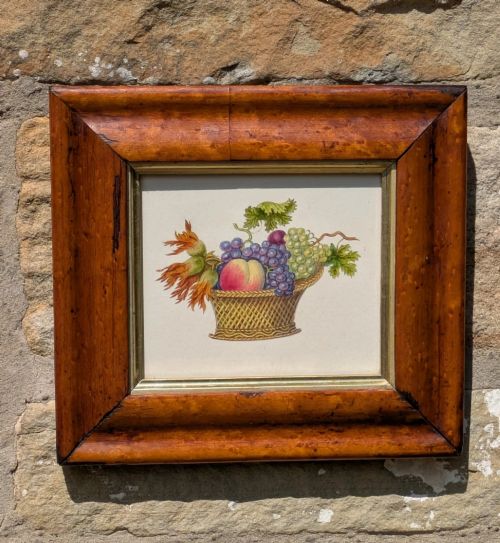
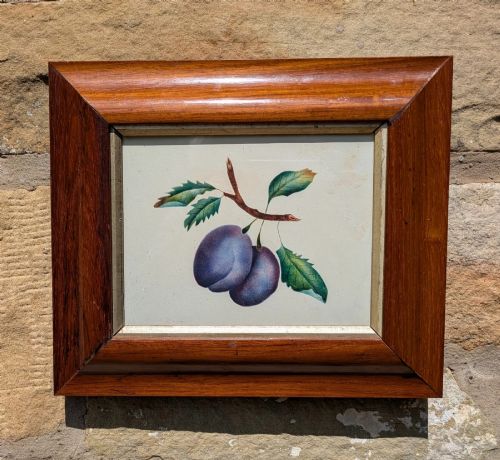
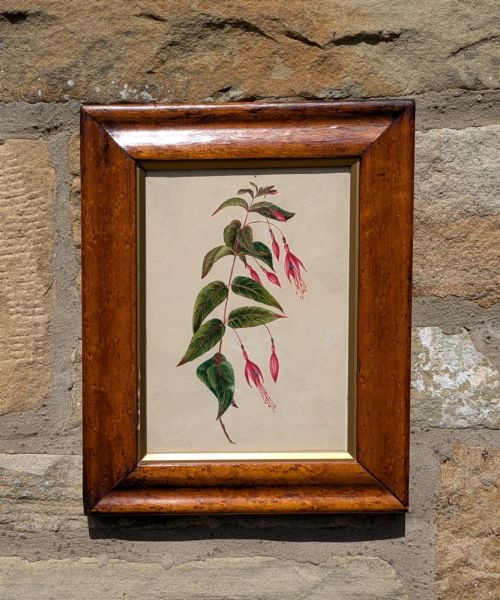
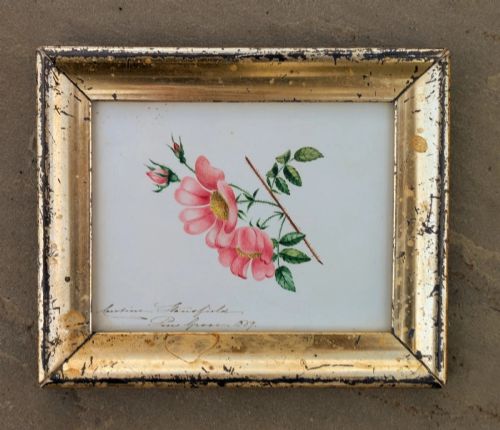


19th Century Botanical Print
These 19th century botanical print examples bring early Victorian wall art into your rooms with crisp engraved lines and hand-applied watercolours.
What 19th century botanical print pieces are
When you search for a 19th century botanical print, you find early Victorian wall art designed to record plant specimens with scientific accuracy. The examples listed on this page take the form of framed art and framed artwork.
Every piece currently available belongs to the Victorian period. These items function primarily as decorative wall art within domestic interiors.
How they were made
Makers produced these works using paper sheets printed from engraved plates. Artisans then finished the black and white impressions by hand with pigments.
The resulting works sit inside protective frames constructed from wood and fronted with glass. This combination of paper, wood and glass preserves the delicate ink and pigment layers.
Listed objects utilise three primary materials: paper, wood and glass.
What varies in quality
Quality rests upon the precision of the initial engraving and the skill involved in the watercolour application. Finer examples display clean lines and subtle tonal gradations in the painted foliage.
The choice of framing materials also dictates overall merit. Sturdier wood mouldings and clear glass housings protect the paper better over time.
The 19th Century Botanical Print Glossary
- Engraving
- A printmaking technique where an artist cuts lines into a metal plate to hold ink. This method creates sharp, durable details.
- Victorian
- The historical period spanning the reign of Queen Victoria. Items from this era show distinct industrial and artistic developments.
- Framed artwork
- A finished visual piece mounted behind glass within a protective border. This format secures fragile paper items for display.
- Paper
- A thin material produced from pressed cellulose fibres. It serves as the primary substrate for these botanical illustrations.
Frequently Asked Questions
How were these prints coloured?
Artisan colourists applied watercolours by hand over printed black and white lines. This technique created vibrant, lifelike botanical studies.
Painters worked directly onto the paper substrate following the initial engraving process.
Where should I hang framed art?
Keep these pieces away from direct sunlight to protect the paper and watercolours from fading. Select interior walls with stable humidity.
Proper placement behind glass safeguards the fragile materials against environmental damage.
How do I identify early Victorian pieces?
Look for the specific engraving styles and paper types characteristic of the Victorian era. The current selection consists entirely of early Victorian examples.
Examine the framing materials, typically comprising wood and glass, for period consistency.