


19th Century Blue Pottery
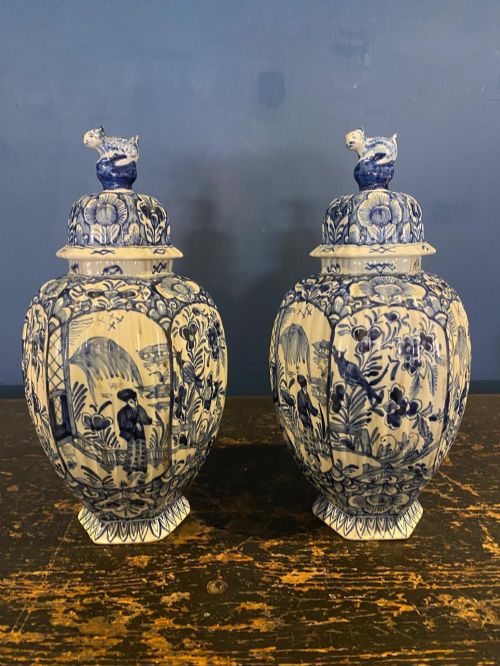
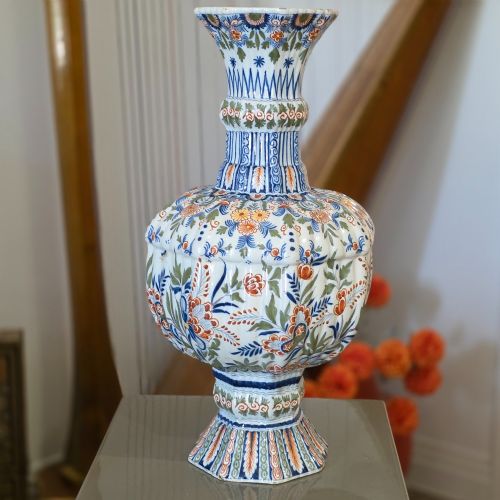
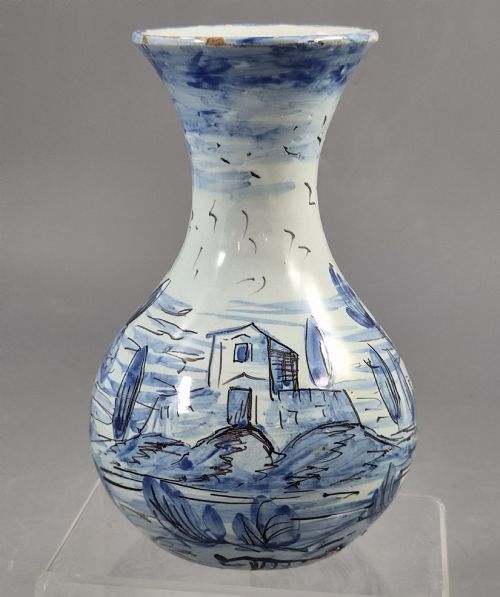
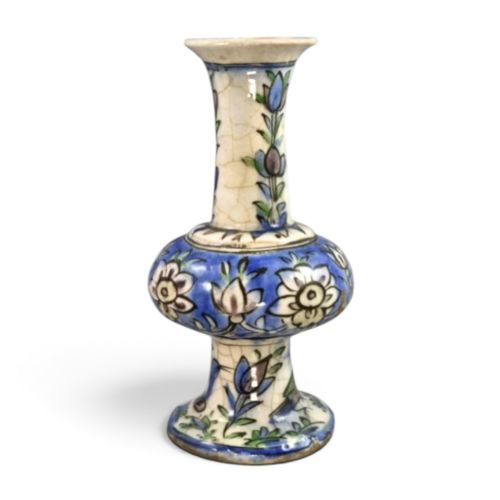
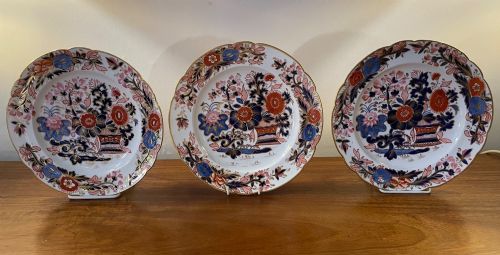
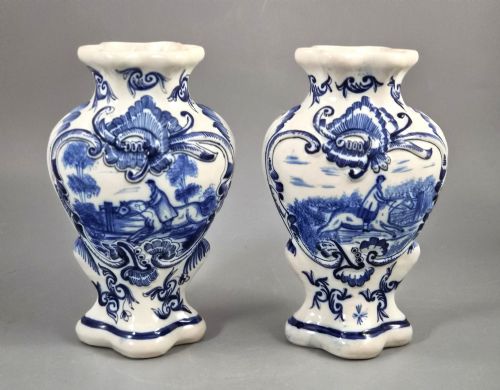
These pieces of 19th century blue pottery bring the rich hues of transfer printing, tin glaze and underglaze painting into a room.
19th Century Blue Pottery
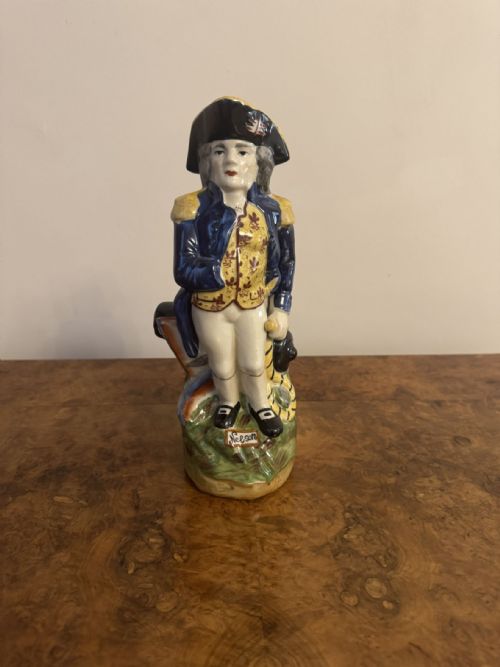
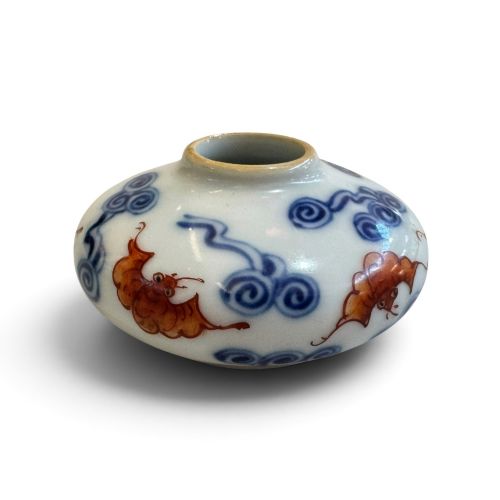
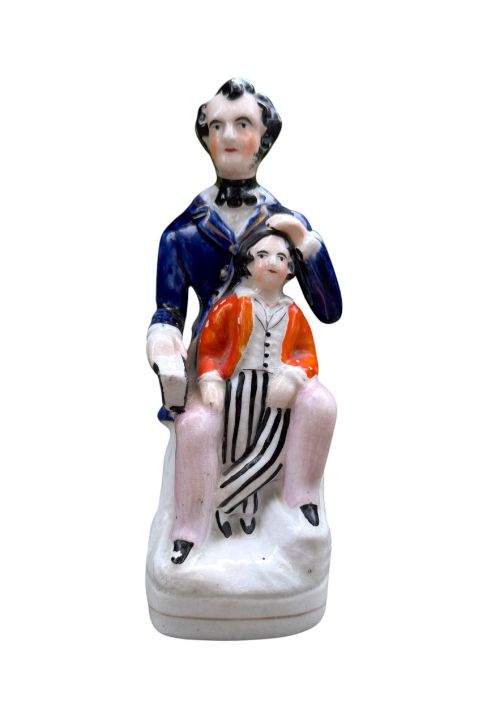
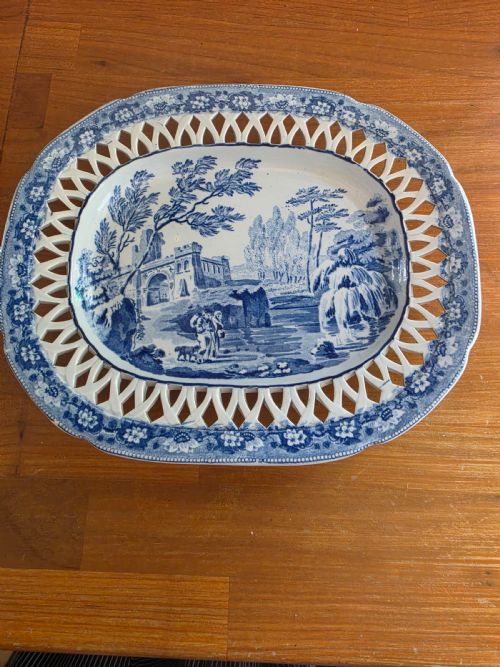
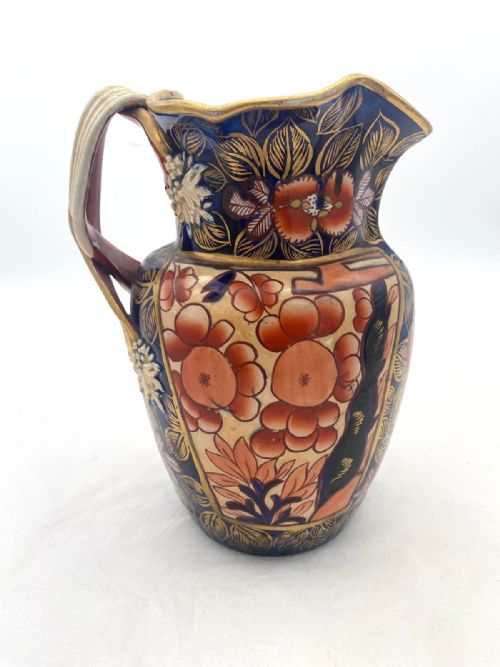
When searching for 19th century blue pottery, collectors encounter a diverse range of functional and decorative items spanning British earthenware, European faience and Asian porcelain. Jugs, platters, toby jugs and Staffordshire figures dominate the selection alongside Dutch delftware and Japanese Imari wares.
The material lineage extends across earthenware, ironstone and porcelain, often decorated in deep cobalt tones or multi-coloured enamel palettes. Pieces originate from English factories, Dutch workshops and continental potteries, reflecting various regional domestic trades.
Materials and Techniques
Potters shaped earthenware, ironstone and porcelain bodies before applying tin glaze, enamel or transfer-printed designs in cobalt blue. Underglaze techniques allowed intricate patterns like landscapes, animals and figures to bond permanently with the ceramic surface during firing.
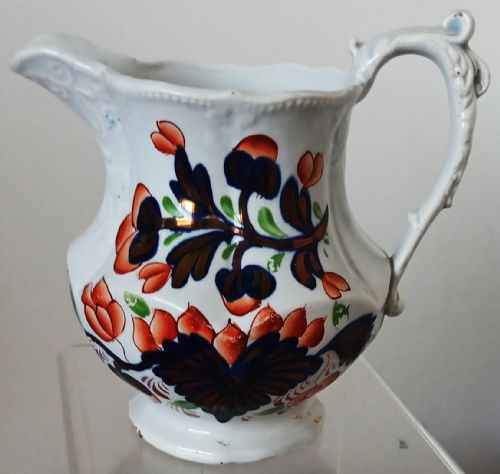
Makers utilised specialised palettes, combining copper lustre, polychrome enamels and flow blue bleeding effects to achieve distinct visual depth across plates, platters and sculptural figures.
Listings feature earthenware, ironstone and porcelain objects decorated with tin glaze, enamel and transfer printing across the 18th and 19th centuries.
Assessing Quality
The weight, resonance and stability of the ceramic body, alongside the depth of the cobalt hue, separate standard utilitarian output from masterworks produced by notable factories.
Cantagalli·Fourmaintraux Courquin·Mason s·Minton·Spode·Davenport·Ridgway
The 19th Century Blue Pottery Glossary
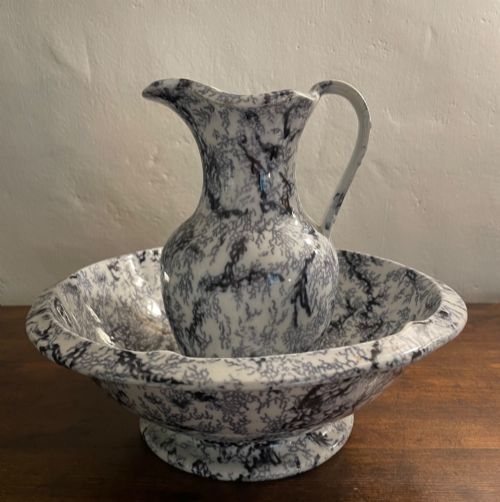
- Flow blue
- A transfer printing technique where cobalt blue intentionally bled into the surrounding white glaze during firing. This produced a misty, soft-edged effect popular on mid-Victorian tableware.
- Transferware
- A method of decorating ceramics by pressing an engraved copper plate onto tissue paper and transferring the inked design onto the pottery body. It enabled mass production of detailed pictorial scenes.
- Ironstone
- A heavy, durable type of earthenware patented in the early nineteenth century to imitate Chinese porcelain. It resists chipping and formed the sturdy base for many large jugs and platters.
- Majolica
- A type of earthenware coated with an opaque tin glaze and painted with metallic oxide colours. It yielded vibrant, glossy decorative objects and figural tureens.
- Flatback
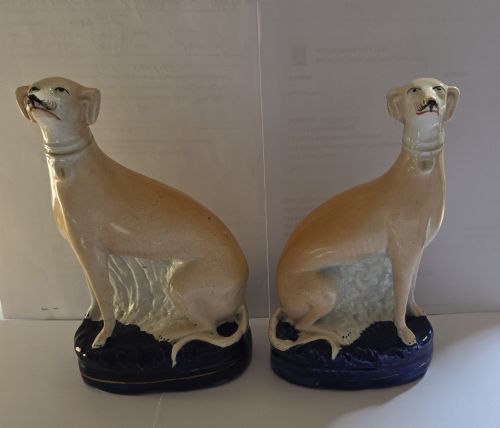
- A style of Staffordshire pottery figure moulded with a detailed front and a flat, unadorned reverse designed to sit against a mantelpiece wall.
19th Century Blue Pottery: Frequently Asked Questions
How do I care for antique pottery?
Antique pottery requires gentle handling and should be washed by hand in lukewarm water without harsh detergents. Avoid soaking pieces with crazed glazes to prevent moisture ingress.
Display items away from direct sunlight and sudden temperature changes to preserve the enamel and glaze integrity.
What distinguishes ironstone from earthenware?
Ironstone is a dense, vitrified type of earthenware formulated to possess greater strength and durability than standard pottery. It provides a sturdy white body capable of supporting heavy everyday use.
Potters utilised ironstone extensively for large jugs, platters and footed bowls throughout the nineteenth century.
Are Staffordshire figures marked?
Staffordshire portrait figures and animals from this era rarely bear factory stamps or painted signatures. Identification relies upon subject matter, modelling style, baseline ventilation holes and typical cobalt or enamel palettes.
Many pieces depict contemporary political figures, literary characters or local domestic scenes.