


Georgian Blue Ceramic Plates
Georgian blue ceramic plates bring the rich pigment of early transfer printing and delftware directly to the table.
Georgian Blue Ceramic Plates
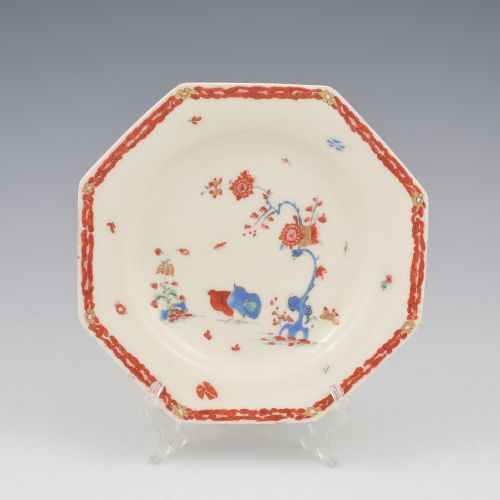
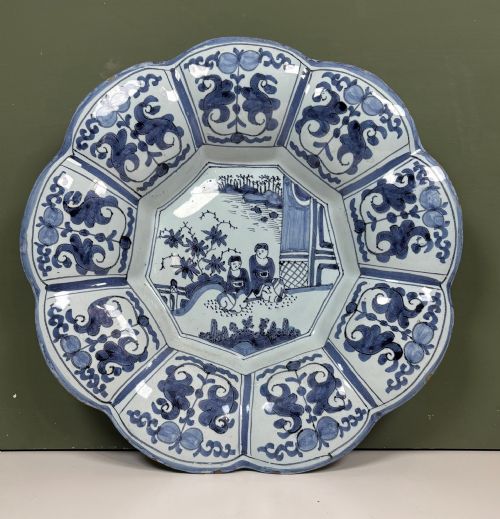
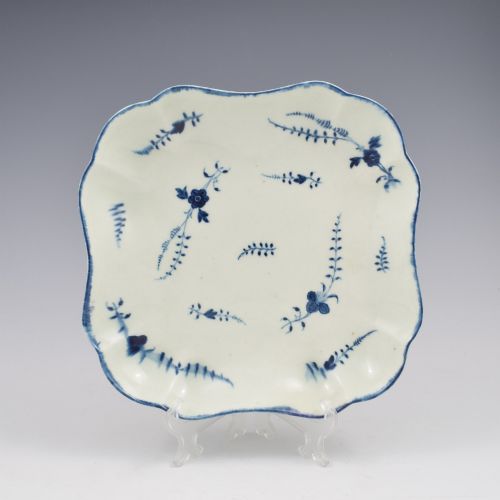
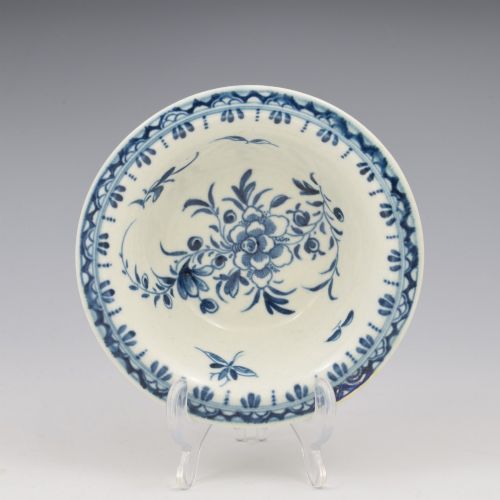
Georgian blue ceramic plates encompass domestic tableware from the eighteenth and early nineteenth centuries, covering everything from everyday dining to formal serving pieces. When exploring georgian blue ceramic plates, buyers encounter chargers, meat platters, and dessert dishes originating from prominent English factories and potteries. The forms range from deeply dished chargers to octagonal plates and square dessert dishes designed for display or service.
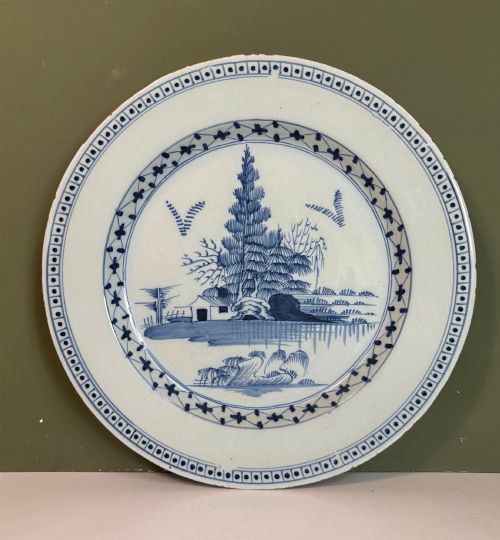
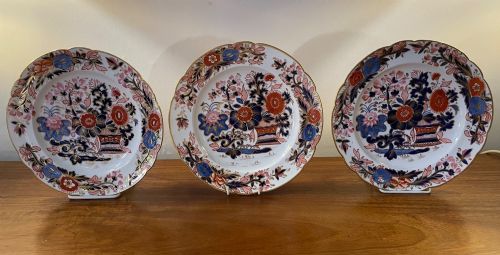
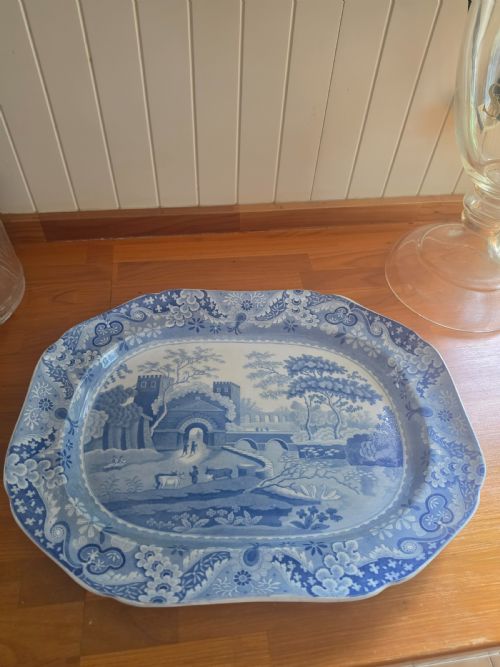
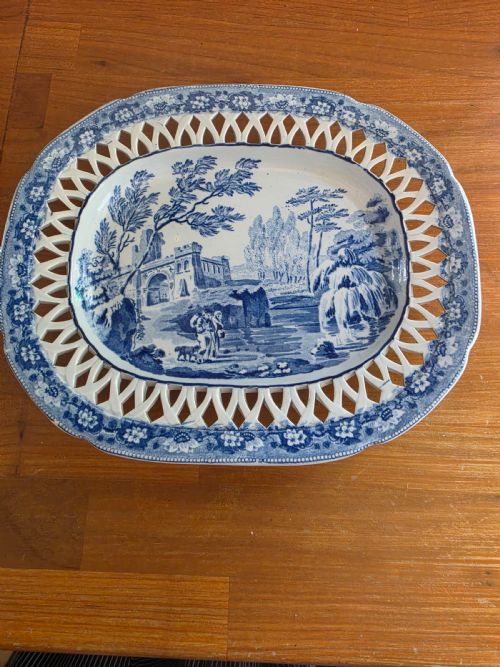
The selection on this page draws primarily upon eighteenth-century delftware and nineteenth-century transferware alongside pearlware, creamware, and ironstone china. Pieces span the Georgian, Regency, and early Victorian periods, capturing the shift from hand-painted tin glazes to precise blue and white transfer printing. Makers such as Spode, Wedgwood, and Davenport dominate the output, working in styles that include Chinoiserie, Neoclassical, and Japan patterns.
How they were made
Potters shaped these objects using earthenware, soft-paste porcelain, and ironstone, applying tin glazes or transparent lead glazes over the clay body. Early examples rely on tin glazing to create an opaque white surface suitable for hand-painted cobalt blue pigments.
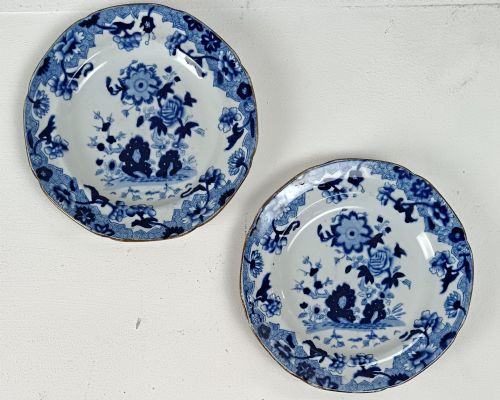
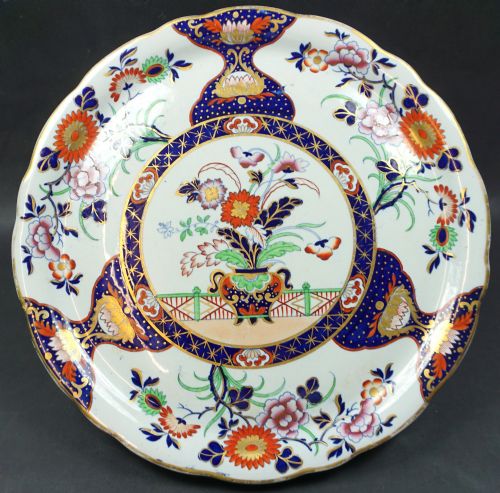
Transfer printing revolutionized production by allowing intricate pictorial scenes, such as Gothic castles or foreign landscapes, to be transferred from a copperplate onto the ceramic body. Gilding and enamel highlights occasionally ergänz (complement) the blue underglaze before final kiln firing.
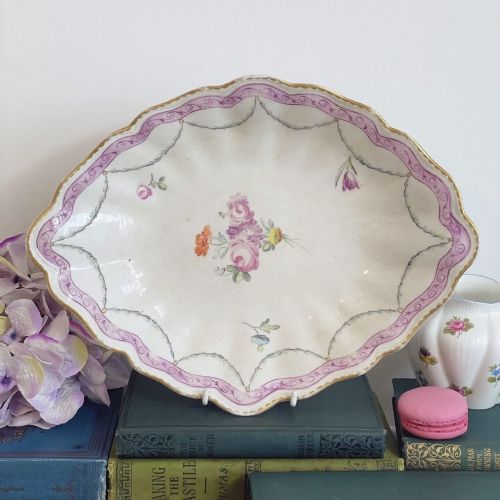
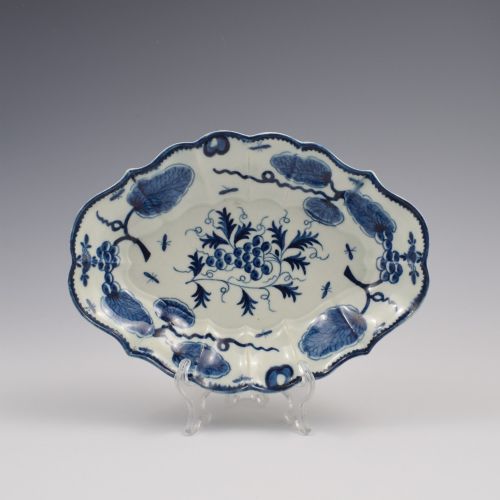
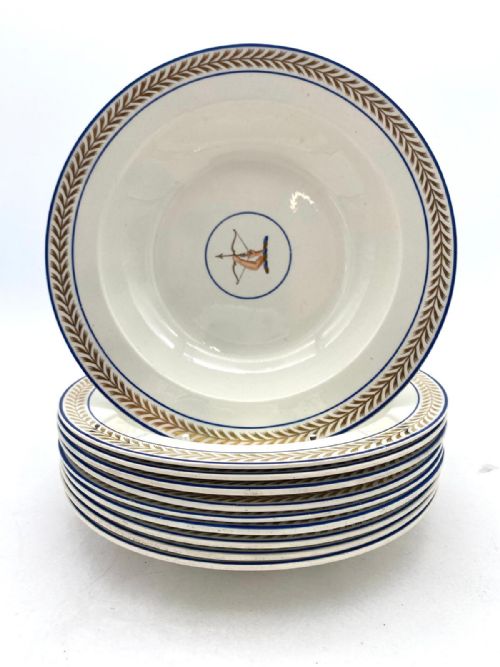
The inventory highlights British factories producing blue and white wares, spanning Wedgwood creamware, Spode meat plates, and Worcester dessert dishes.
What varies in quality
The clarity and crispness of the cobalt blue transfer print determine much of the visual appeal, separating sharp pictorial scenes from blurred impressions. Early hand-painted delftware varies according to the confidence of the brushwork and the control of the tin glaze during firing.
Wedgwood·Spode·Davenport·Bow Porcelain·Minton·Hicks and Meigh·Coalport·New Hall·Chamberlain·John Rogers and Son·Stubbs
The Georgian Blue Ceramic Plates Glossary
- Delftware
- Earthenware coated with an opaque white tin glaze, typically painted in blue with motifs derived from Chinese porcelain. It was widely produced in England during the eighteenth century.
- Transferware
- Pottery decorated by applying a paper impression from an engraved copper plate onto the ceramic body, allowing mass production of detailed blue and white scenes. This technique defined nineteenth-century Staffordshire output.
- Pearlware
- A refined earthenware developed by Josiah Wedgwood featuring a faint bluish-white glaze that pooled in crevices, designed to mimic true porcelain. It bridges creamware and later white ironstone.
- Creamware
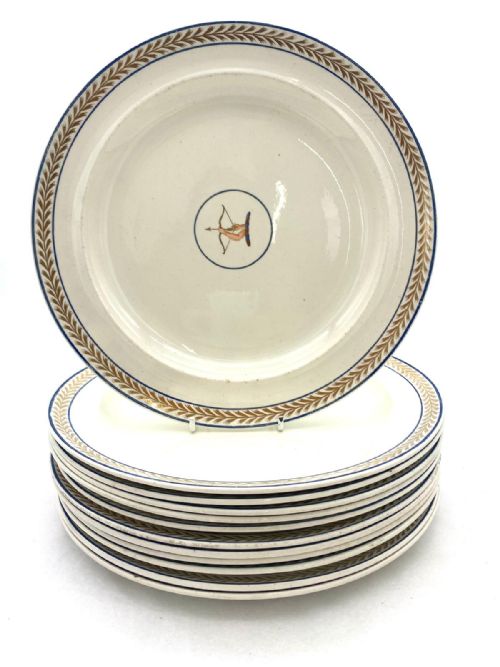
- A light-coloured refined earthenware with a warm yellowish lead glaze, popular for dining services throughout the Georgian era. Wedgwood perfected this body for armorial and everyday use.
- Charger
- A large ornamental or serving plate, often measuring over twelve inches across, intended for display on sideboards or use at formal feasts.
Georgian Blue Ceramic Plates: Frequently Asked Questions
How do I date these blue plates?
Dating relies on examining the ceramic body, glaze characteristics, and factory marks beneath the base. Earthenware bodies and tin glazes usually point to the eighteenth century, while transfer-printed patterns often indicate the Regency period.
Maker's marks, pattern names, and stylistic clues like Neoclassical borders narrow the decade of production. Comparing the blue pigment and manufacturing weight against known factory timelines confirms the era.
Can I use these plates for dining?
Most antique plates from this era function best as decorative display items rather than daily tableware. The ceramic bodies are softer and more porous than modern ceramics, making them vulnerable to thermal shock and active use.
Handwashing in warm water protects the historic glaze and prevents crazing from worsening. Valuable porcelain or tin-glazed delftware deserves careful handling away from dishwashers and microwaves.
Why are some plates called chargers?
Chargers are significantly larger than standard dining plates, typically exceeding twelve inches in diameter. They served as central platters for sharing food or functioned as decorative wall and sideboard display pieces.
Their substantial size provided artisans a wider surface area for complex hand-painted motifs or transfer-printed historical views.