


19th Century Art Glass
These pieces of 19th century art glass combine skilled blowing with rich colour and enamel, offering tactile beauty for a collector's cabinet.
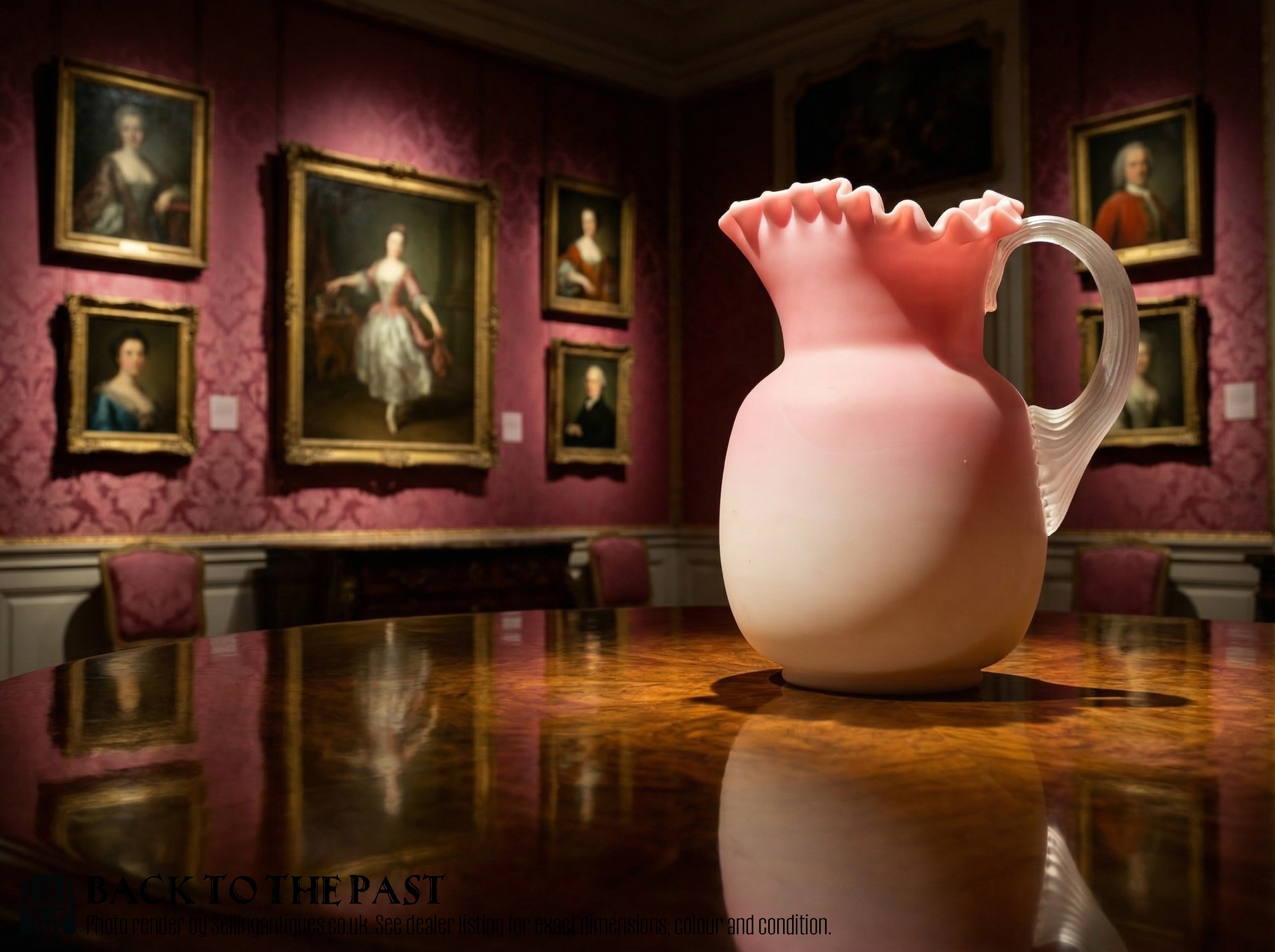
19th Century Art Glass
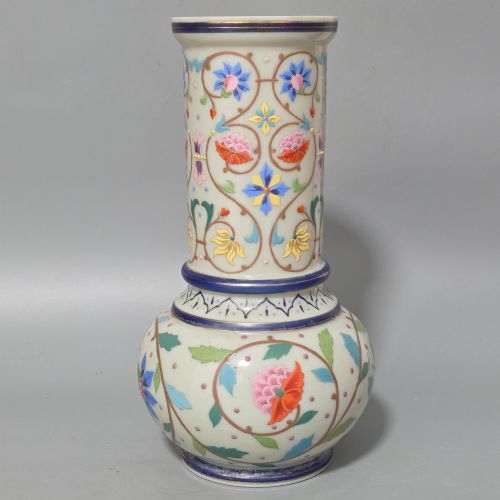
When you search for 19th century art glass, you encounter vessels shaped by diverse European and British makers during the Victorian era and the onset of Art Nouveau. The selection spans vibrant decanters, vases, and glassware collections executed in varied regional styles.
Vessels include double-walled pieces, satin glass, and delicate creations decorated with enamel or fine cane work. These objects demonstrate the technical ambition of nineteenth-century glasshouses across England, Bohemia, and Venice.
How they were made
Maker workshops utilised optical blowing techniques, layered casing, and surface enamelling to build depth and texture within the material. Coloured glass batches, including cranberry and peachblow hues, formed the foundation for many decorative treatments.
Specialised decorative methods involved incorporating latticinio threads, acid polishing, and hand-painted enamel details. Glassmakers manipulated molten material while hot to achieve distinctive optic patterns and double-walled structures.
19th Century Art Glass Retail Price Guide 2026
Typical asking prices for 19th century art glass among the pieces listed under this phrase on Sellingantiques today, from the lower quarter to the upper quarter. They describe what is for sale here now, not the wider market.
Some Victorian glassmakers hid crushed gold inside vessels just to see how the light would argue with it.
What varies in quality
Superior examples display precise control in hot-working, with even wall thickness, balanced proportions, and clean pontil marks. The clarity of the glass matrix and the dexterity of any enamel or cane work determine the distinction between ordinary production and master execution.
Depth of colour and crispness in applied decoration separate workshop output. Pieces benefiting from sophisticated optical blowing or complex casing exhibit a refined weight and visual harmony.
Thomas Webb·Stevens & Williams·James Powell·Kralik glassworks·Moser·Mary Gregory·Baccarat·Salviati Venice·Samuel Marti
The 19th Century Art Glass Glossary
- Cased glass
- A vessel formed from two or more distinct layers of glass, often of contrasting colours, which can be carved or cut back to reveal the underlayer. This technique creates high contrast and rich visual depth.
- Latticinio
- Fine white or coloured glass threads embedded within a clear matrix in symmetrical twist or lace patterns. Originating in Venetian traditions, it requires exceptional skill from the gaffer.
- Cranberry glass
- Transparent glass coloured with gold chloride to produce a rich pinkish-red tone. It gained immense popularity during the Victorian period for tableware and vases.
- Satin glass
- Glass given a fine, velvety texture on the exterior surface, often achieved through acid-etching or vapour treatment. This finish diffuses light softly across the vessel wall.
19th Century Art Glass: Frequently Asked Questions
How do I identify Victorian cranberry glass?
Look for the distinctive deep pinkish-red tone achieved through gold chloride in the batch, often paired with clear glass handles or applied feet.
Items typically include trumpets, jugs, and vases common to domestic interiors of the period.
What is cased glass?
Cased glass involves fusing two or more layers of different coloured glass together while hot to create depth and contrast.
Craftsmen often cut through the outer layer to expose the contrasting colour underneath.
Where was latticinio glass made?
Latticinio glass traditions trace back to Venetian workshops, though later nineteenth-century makers across Europe adopted the technique.
White or coloured glass threads are twisted inside a clear matrix to form lace-like patterns.
How should I display art glass?
Position pieces where natural light can pass through the body to highlight the inner colours and optical blown effects.
Ensure shelves are stable and avoid direct, harsh sunlight for extended periods.