


1930s French Side Cabinet
A 1930s French side cabinet brings architectural presence and distinct period character into a modern interior.

1930s French Side Cabinet
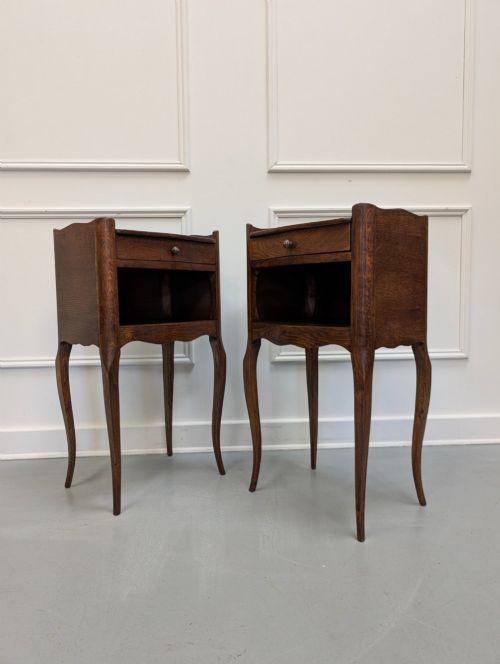
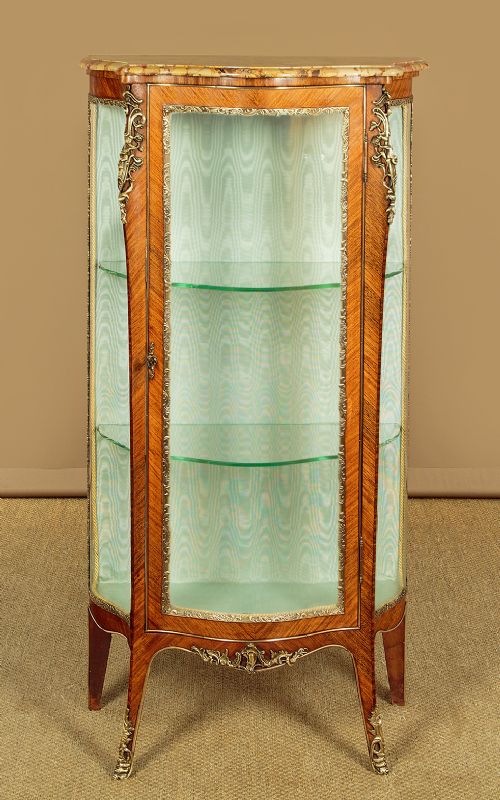
When searching for a 1930s French side cabinet, buyers encounter a selection spanning Art Deco designs alongside revival forms. These pieces include bedside tables, vitrines, and display cabinets originating from around 1930.
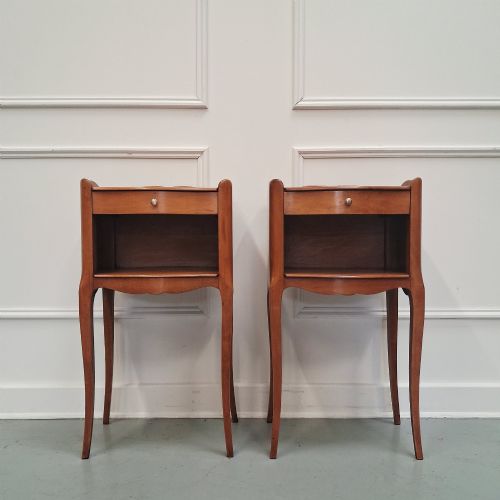
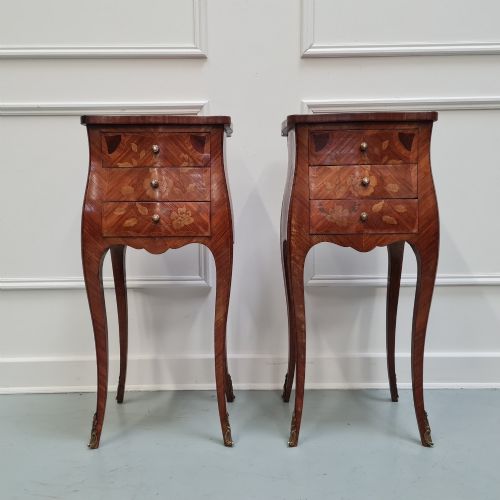
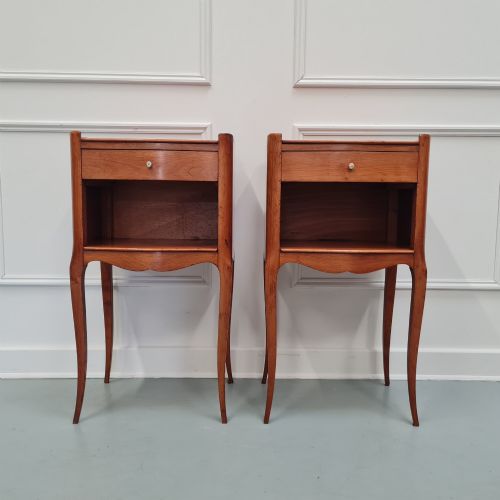
The most common formats on this page are bedside cabinets and small side tables, frequently found as matching pairs. Walnut, kingwood, and cherry wood dominate the construction across these varied forms.
Makers of the period drew upon traditional French Louis XV and Louis XVI styles, alongside clean geometric Art Deco lines. Buyers often select these cabinets to add functional surface space and enclosed storage to a bedroom or living area.
Materials and construction methods
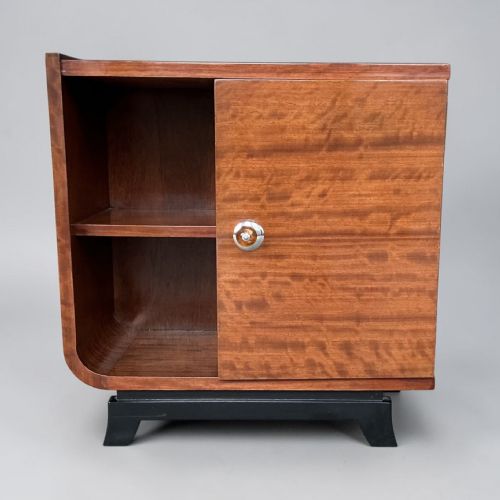
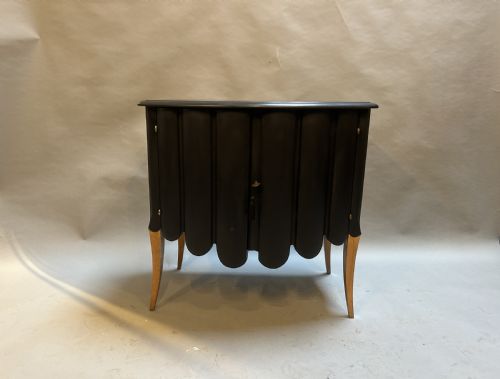
Cabinets from this era utilise robust timber carcases faced with decorative veneers such as kingwood and walnut. Selected pieces incorporate contrasting ebonised wood details or incorporate marble tops for added durability and surface texture.
Mounts and hardware cast in brass frequently accent the cabinetry, framing doors and drawers. Glass elements appear in vitrines and display cabinets, whilst certain bedside tables utilise fabric components.
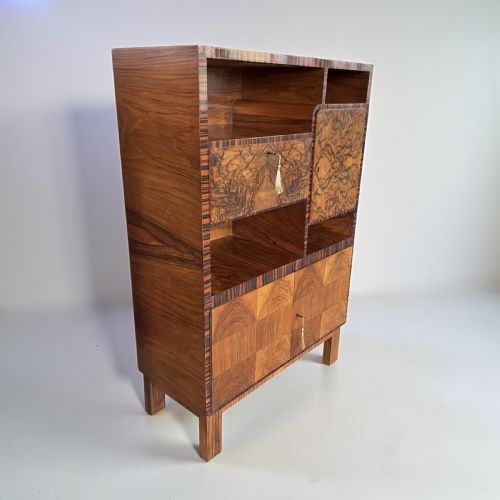
The furniture spans two distinct aesthetic directions: streamlined Art Deco and revival forms referencing Louis XV and Louis XVI.
Evaluating the craftsmanship
Quality in these cabinets rests upon the selection of timber veneers and the precision of the joinery. Finer examples display carefully matched grain patterns across the drawer fronts and doors, paired with substantial marble or timber tops.
The integration of original brass mounts and the crispness of any carved revival detail distinguish superior pieces. Structural integrity in the legs and carcase determines how well a cabinet survives decades of daily use.
The 1930s French Side Cabinet Glossary
- Art Deco
- A design style characterised by sleek geometric shapes, streamlined forms, and modern industrial materials that emerged in the interwar period. It represents a sharp departure from heavy Victorian ornamentation.
- Kingwood
- A dense, richly figured timber imported from South America and frequently utilised for decorative veneer work on high-end French furniture. Its distinct dark violet-brown grain with lighter streaks enhances formal cabinet fronts.
- Serpentine
- A curved furniture outline that undulates outward and inward in a gentle 'S' shape, commonly seen on drawer fronts and table edges. This technique requires considerable skill from the cabinetmaker.
- Vitrine
- A glass-fronted display cabinet designed for exhibiting porcelain, glassware, or small decorative objects. These cabinets often feature glazed side panels to maximise interior light.
- Ebonised wood
- Timber treated with a special stain or finish to imitate expensive ebony. It provides a deep black contrast against lighter woods like walnut and kingwood.
1930s French Side Cabinet: Frequently Asked Questions
How do I clean the marble top?
Wipe the marble surface regularly with a soft, damp cloth using mild, neutral soap. Avoid acidic cleaners, vinegar, or harsh scouring agents that etch or dull the polished stone.
Dry the surface thoroughly after cleaning to prevent water spots. Applying a specialist marble wax occasionally helps protect the stone from stains.
Are these cabinets sold in pairs?
Many bedside cabinets and tables from this era appear as matching pairs, particularly those flanking a bed. Single cabinets also exist, intended for smaller spaces or specific storage needs.
Checking the individual listings confirms whether the item is offered singly or as a matching set.
Where should I place a side cabinet?
These compact cabinets function well beside a bed as nightstands or next to seating in a living room. Their enclosed storage keeps small items tidy while providing a surface for lamps or decorative objects.
Vitrines and display cabinets suit hallways or drawing rooms where treasured items deserve visible placement.
How do I identify Art Deco style?
Art Deco pieces favour clean lines, symmetrical geometric patterns, and unadorned surfaces that highlight the natural grain of walnut or kingwood. They contrast sharply with the ornate curves of earlier revival styles.
Subtle brass hardware often complements the streamlined silhouette without adding excessive ornamentation.