

1930s Art Deco Lighting
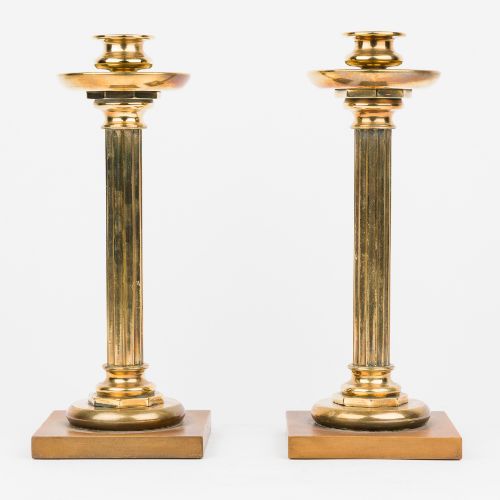
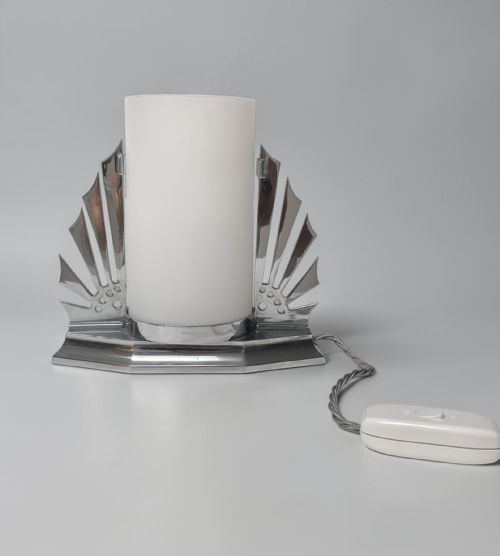
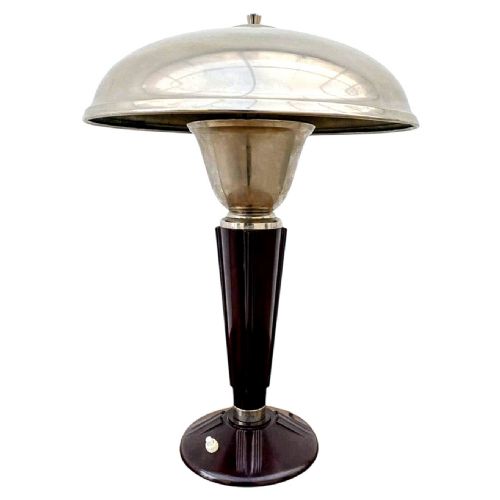
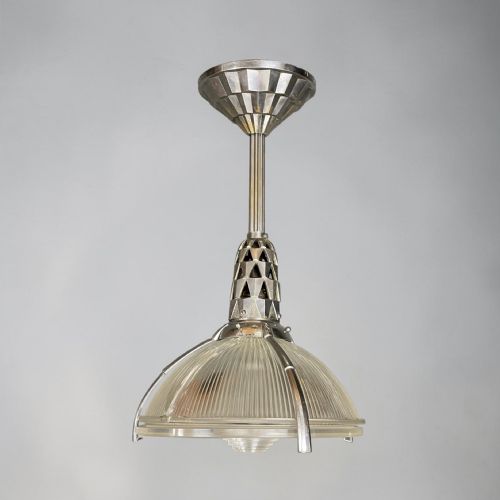
These pieces of 1930s art deco lighting combine geometric form and industrial materials to illuminate interiors with period character.
1930s Art Deco Lighting
When you search for 1930s art deco lighting, you encounter various forms designed to illuminate domestic spaces during the interwar period. The selection includes table lamps, floor lamps, standard lamps, pendant lights, and ceiling lights originating from the 1920s, 1930s, and Edwardian eras.
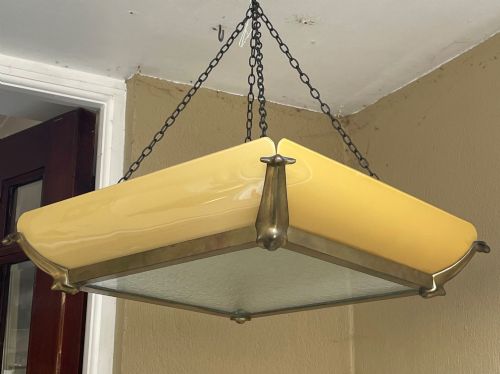
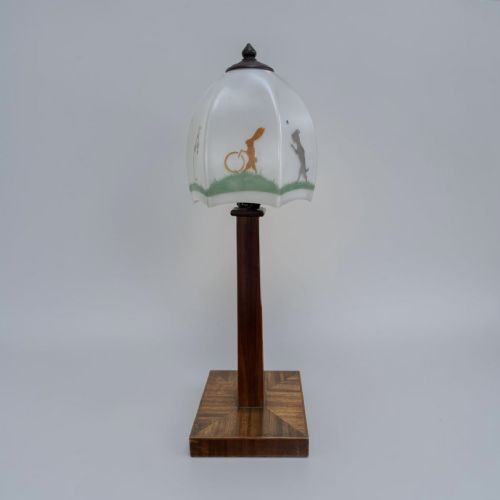
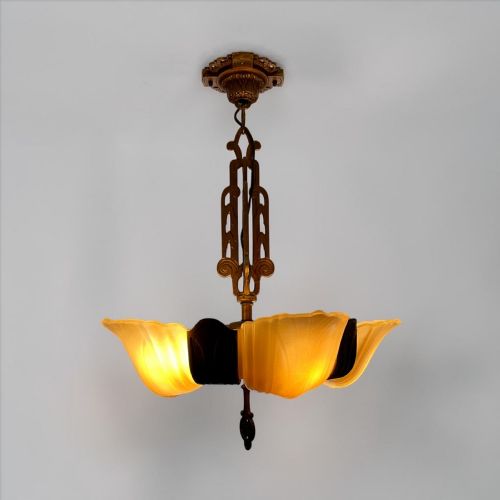
Table lamps and desk lamps dominate the selection, often taking geometric shapes or figurative forms such as lady lamps and novelty animal designs. Ceiling lights and hanging lights utilise slip shades or frosted glass to diffuse illumination across a room.
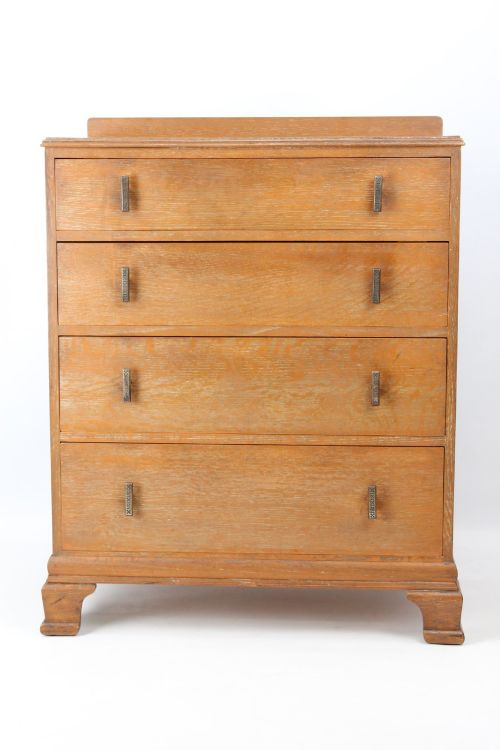
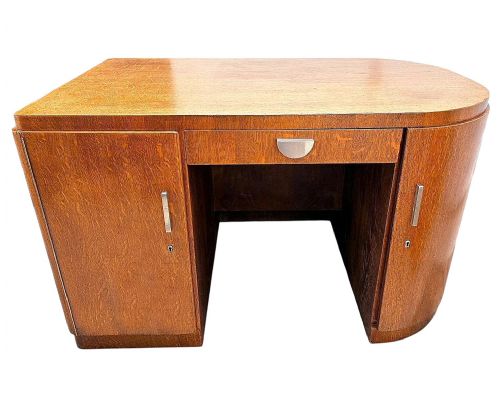
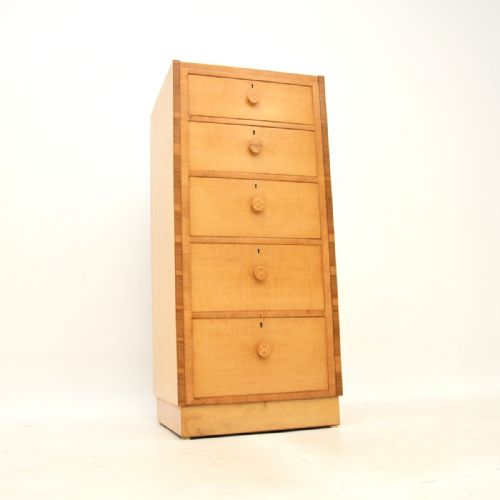
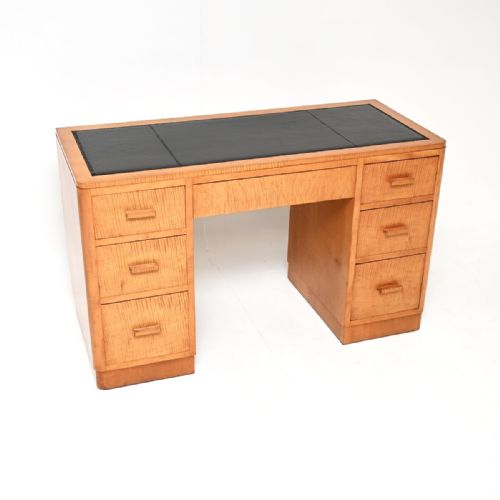
Pieces frequently reflect international influences, ranging from French and Swedish designs to American slip shade fixtures and Italian glasswork. Alongside dedicated lighting, the inventory occasionally captures related forms like desks and chests of drawers that incorporate integrated illumination.
Materials and construction methods
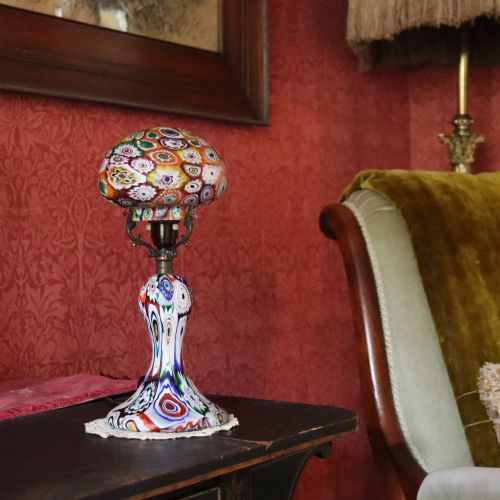
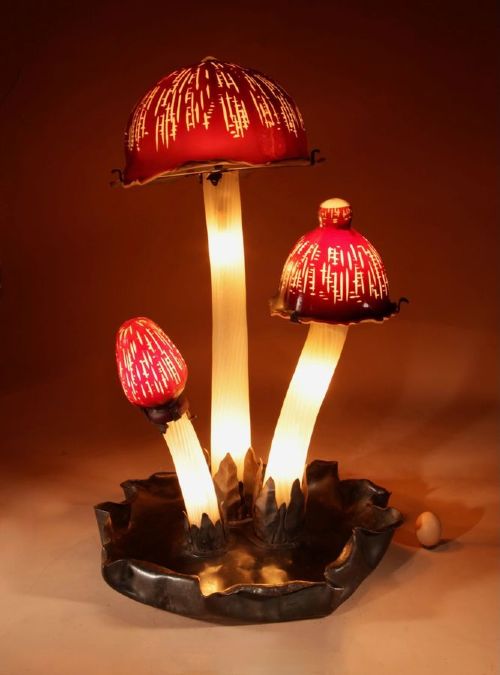
Makers utilised a combination of metals and glass to achieve the characteristic industrial and sleek aesthetic of the era. Brass, chrome, copper, and wrought iron form the structural bases and frames, paired with frosted, opalescent, mottled, or millefiori glass shades.
Wooden elements appear alongside metal and glass, incorporating oak, walnut, satin birch, sycamore, and satinwood into lamp bodies or supporting furniture. Alternative tactile materials such as marble, alabaster, and vellum provide additional contrast and textural depth.
1930s Art Deco Lighting Retail Price Guide 2026
Typical asking prices for 1930s art deco lighting among the pieces listed under this phrase on Sellingantiques today, from the lower quarter to the upper quarter. They describe what is for sale here now, not the wider market.
Listings feature items spanning the 1920s, 1930s, and Edwardian periods, constructed from brass, glass, oak, walnut, chrome, metal, marble, and frosted glass.
Distinctions in quality and execution
Quality separates mass-produced utility lighting from pieces bearing specific attribution to prominent designers or distinguished makers. The refinement of the metalwork, whether hand-forged wrought iron or polished chrome, indicates the level of craftsmanship invested in the frame.
Glass selection divides standard commercial production from exceptional artistic output, particularly where specialised techniques like opalescent shading or millefiori work are employed. The integration of materials, such as mounting heavy metal shades securely upon marble or alabaster bases, demonstrates structural integrity.
Eileen Grey·Émile-Jacques Ruhlmann·Fratelli Toso·Hille·Charles Schneider·Lalique·Heal's
The 1930s Art Deco Lighting Glossary
- Slip shade
- A moulded glass shade designed to slide directly into a metal frame or fixture, commonly found on American ceiling lights of the period.
- Opaline glass
- A milky, semi-translucent glass that diffuses light evenly without harsh glare, frequently utilised for period lamp shades.
- Millefiori
- A glasswork technique involving multicoloured patterns created by cross-sections of glass canes, seen in Italian decorative items.
- Standard lamp
- A tall floor-standing lamp designed to provide ambient room illumination, often constructed from wood or metal.
- Alabaster
- A fine-grained, translucent stone carved into solid lamp bases or sculptural animal figures during the interwar years.
1930s Art Deco Lighting: Frequently Asked Questions
What rooms suit 1930s lighting?
These lights fit studies, living rooms, and hallways where task illumination or ambient glow is required. Desk lamps and wall lights provide focused brightness, while pendant and ceiling lights illuminate larger spaces.
Matching the fixture scale to the room dimensions ensures the design proportions remain balanced. Pairing a chrome desk lamp with a workspace or a glass pendant in an entrance hall highlights the period aesthetic.
How do I identify a 1930s lamp?
Examine the materials, silhouette, and construction methods for characteristics typical of the interwar period. The presence of chrome, brass, frosted glass, and geometric motifs often points towards an Art Deco origin.
Signatures or attributions on the metal base or glass shade provide definitive proof of maker. Comparing the piece against documented examples from designers confirms the production era.
Are these lamps electrically safe?
Many vintage fixtures retain older wiring that requires inspection or replacement by a qualified professional before domestic use. Modern electrical components can be integrated discreetly to meet current safety standards without altering the exterior appearance.
Retaining original sockets and switches is possible during rewiring if they remain robust. Consulting an electrician ensures the lamp operates safely while preserving the historic structure.
How are floor lamps used?
Standard lamps and floor lamps provide secondary lighting in corners or beside seating areas to create a layered interior scheme. Their height allows them to cast light downward over reading chairs or upward to soften shadows in a room.
Placing a wooden or metal standard lamp next to complementary furniture unifies the decorative scheme. Vellum or fabric shades diffuse the output to generate a warm, welcoming ambience.