

1930s Art Deco Cabinet
When you search for a 1930s art deco cabinet, you enter a world of geometric forms, rich veneers and functional storage designed for interwar interiors.
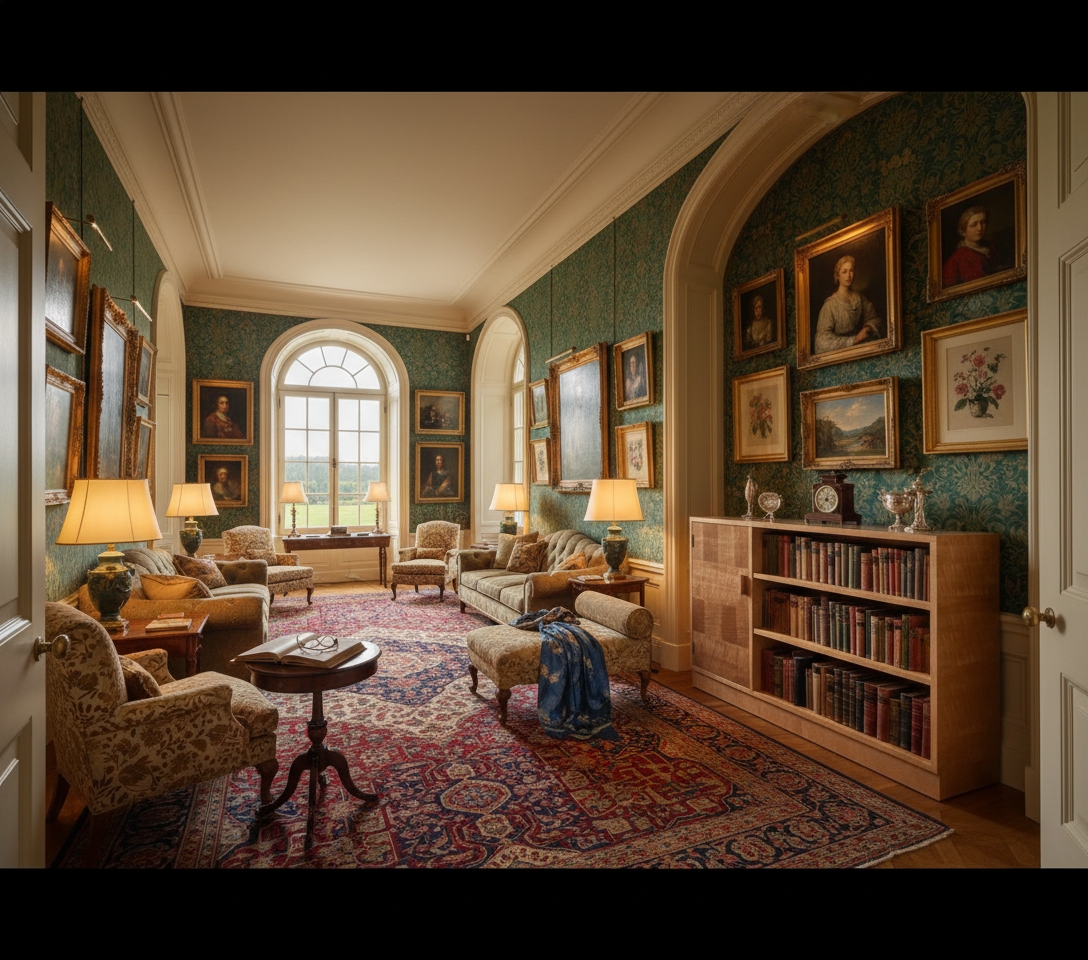
1930s Art Deco Cabinet
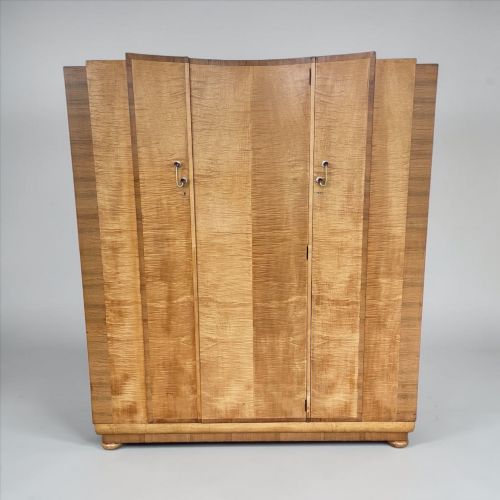
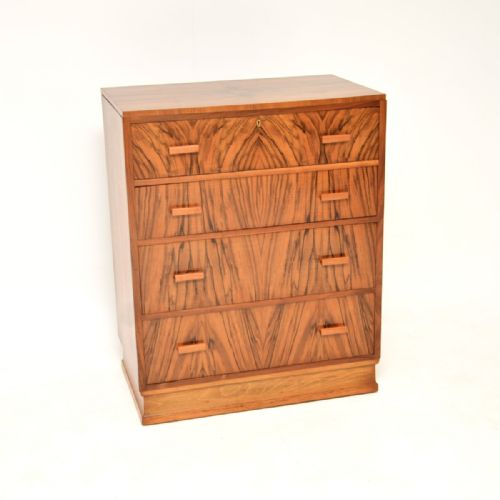
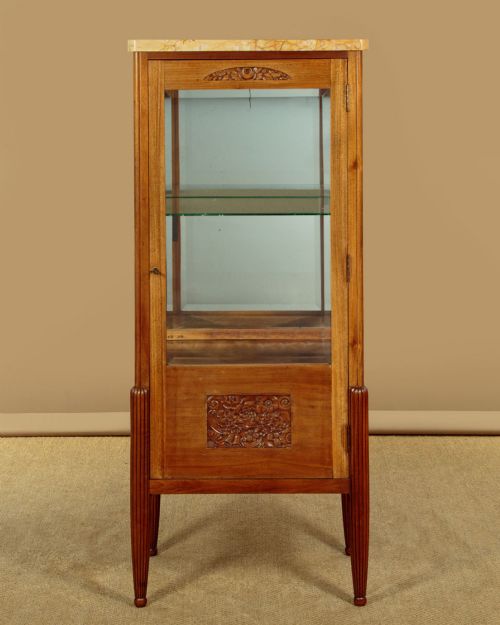
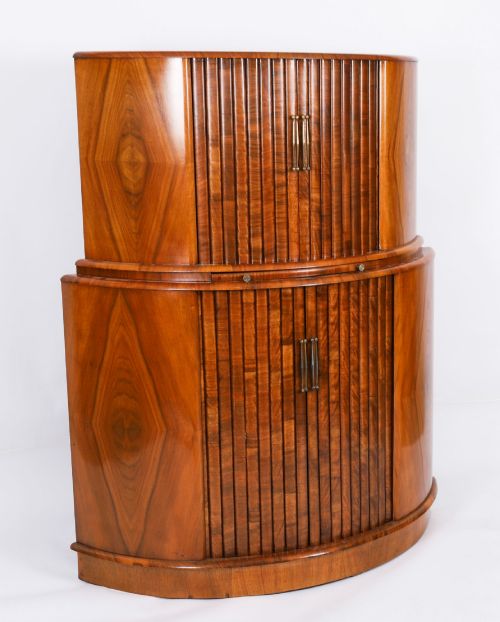
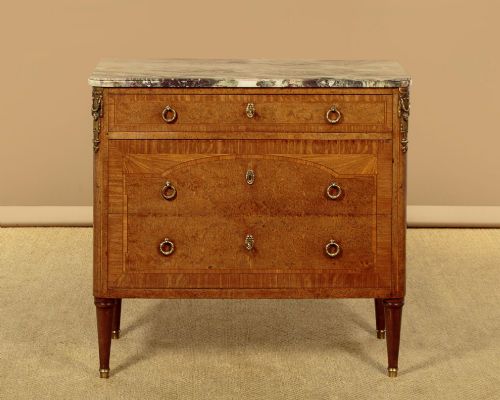
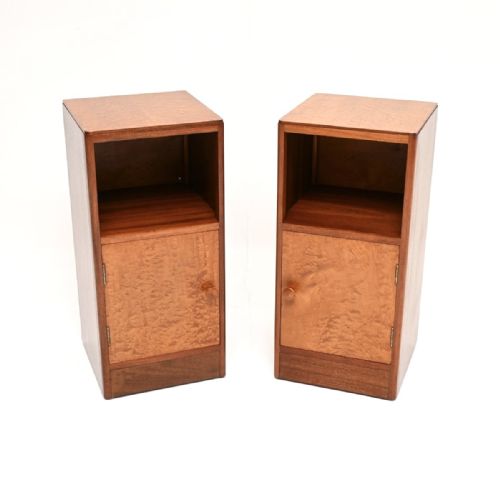
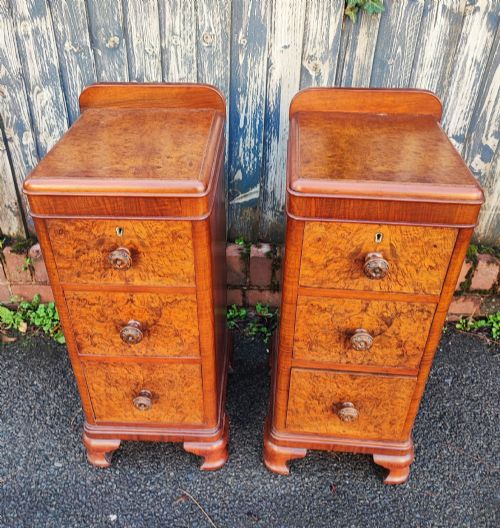
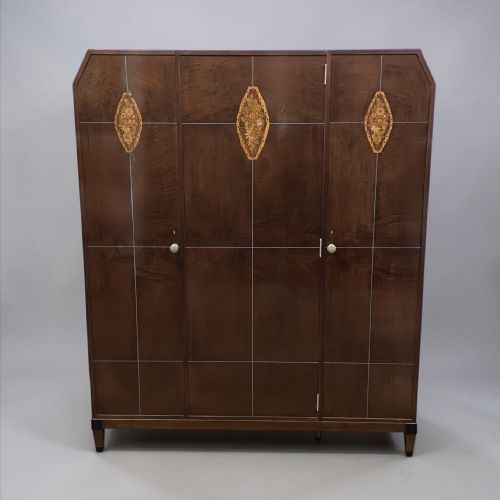
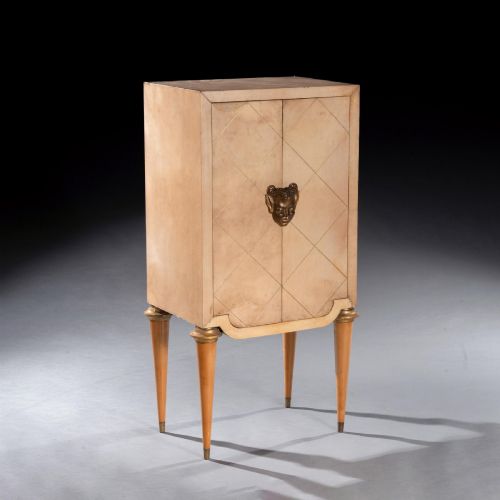
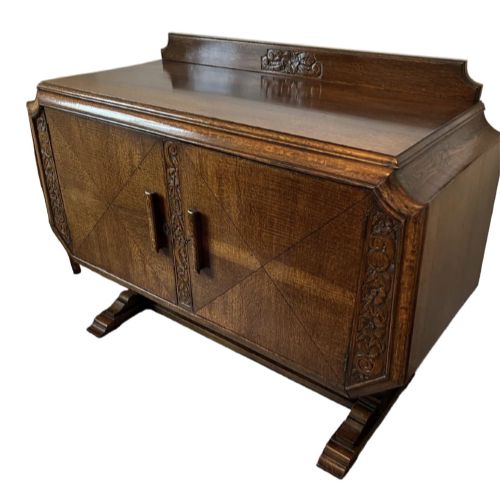
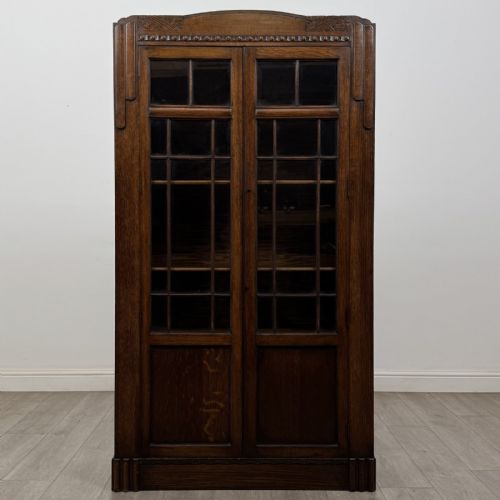
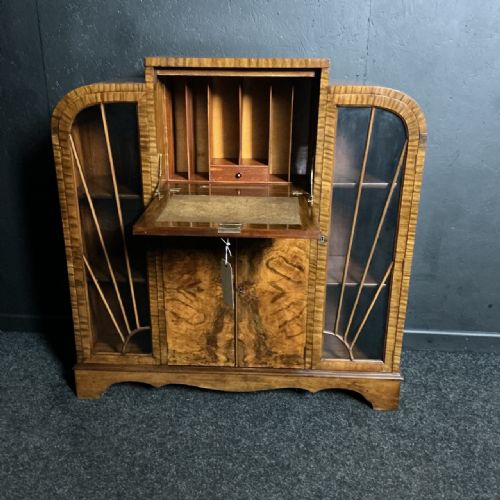
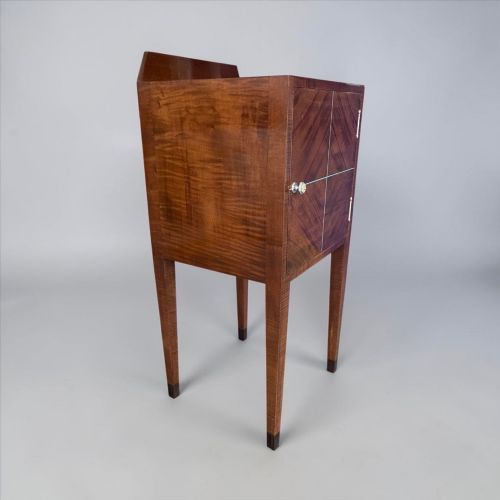
A 1930s art deco cabinet encompasses a broad variety of storage furniture produced during the interwar period, including display cabinets, sideboards, cocktails cabinets and bedside tables. These pieces embody the sleek, modern aesthetic of the era through stepped profiles, curved corners and striking wood grains.
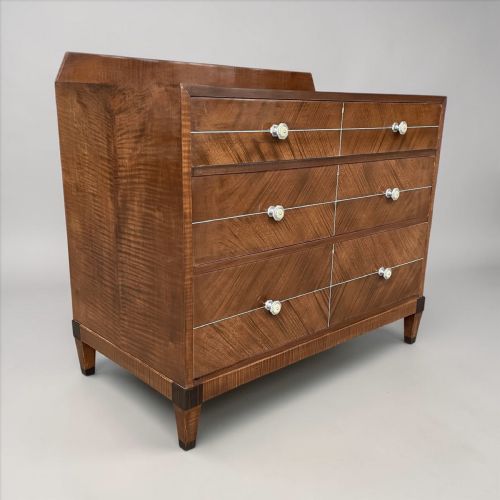
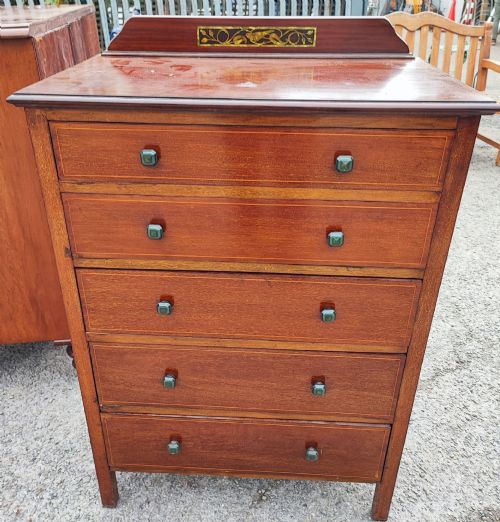
Beyond standard storage, the category extends to specialised forms such as tallboys, chests of drawers and haberdashery counters with chrome details. Each variant shares a commitment to clean architectural lines combined with decorative surface patterns.
How they were made
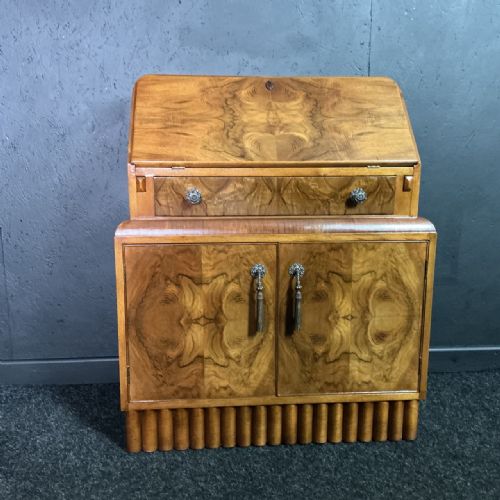
Cabinet makers of the period utilised solid woods such as oak and ash for internal structures and frames, while applying decorative veneers to the exterior surfaces. Burr walnut, blonde walnut, birds eye maple and satin birch provided rich, figured patterns that defined the visual appeal of the doors and drawer fronts.
Techniques relied heavily on skilful veneering to create symmetrical grain matches across curved and circular surfaces. Glass panels, brass hardware, leaded glazing and chrome accents were integrated into the designs to punctuate the wooden constructions with metallic and transparent elements.
1930s Art Deco Cabinet Retail Price Guide 2026
Typical asking prices for 1930s art deco cabinet among the pieces listed under this phrase on Sellingantiques today, from the lower quarter to the upper quarter. They describe what is for sale here now, not the wider market.
Listings feature circular display cabinets alongside sideboards and bedside tables executed in walnut, oak, maple and satin birch.
What varies in quality
Quality in these pieces is dictated by the selection and application of veneer, where matched burr walnut or exotic timbers display deliberate grain symmetry across the entire front. Lesser examples rely on plain timber or repetitive, uninspired grain patterns that lack the depth and movement seen in workshop pieces.
Construction standards further separate standard production from superior cabinet making, visible in the precision of curved doors, the integration of brass or chrome hardware, and the stability of internal shelving. The harmony of proportions and the sophistication of secondary woods like sycamore or maple indicate the original tier of manufacture.
Maurice Adams·Harry and Lou Epstein·Gomme·Dudley and Co·Walter Carter Harrods
The 1930s Art Deco Cabinet Glossary
- Burr walnut
- A wood harvested from the wart-like growths on walnut trees, yielding highly swirling and patterned veneer. It was favoured by cabinet makers for creating striking, decorative surfaces on doors and drawer fronts.
- Tallboy
- A tall chest of drawers, often combining a wardrobe section or multiple drawers in a vertical format. This form maximised storage while maintaining a small floor footprint in interwar bedrooms.
- Veneer
- A thin layer of figured wood applied over a more stable secondary timber to give the appearance of solid luxury material. Skilled application ensured grain patterns mirrored across central seams.
- Haberdashery counter
- A shop or domestic display unit featuring multiple small glass-fronted drawers or compartments. These items adapted commercial storage aesthetics for contemporary domestic interiors.
- Swedish Grace
- A refined Scandinavian architectural and design style bridging neoclassical motifs and early modernism. It is represented here through light-toned timbers and restrained geometric decoration.
1930s Art Deco Cabinet: Frequently Asked Questions
What is a 1930s art deco cabinet used for?
These cabinets served various domestic functions, from storing glassware and china in dining rooms to housing cocktail sets in living spaces. Bedside versions provided compact storage for nighttime essentials beside interwar beds.
Today, they adapt readily to modern homes as media stands, statement storage units or display spaces for collections, combining period character with practical utility.
How do I identify French art deco cabinets?
French pieces often feature bolder, more theatrical silhouettes, incorporating exotic veneers like macassar ebony or blonde maple alongside mirrored sections. Their proportions tend to be more monumental and sculptural compared to standard British variants.
Look for advanced marquetry, highly stylised metal mounts, and an emphasis on luxury finishes that reflect the Parisian salon aesthetic of the interwar decades.
Where were these cabinets made?
Production was centered in major European furniture hubs, with significant output from English workshops in London and regional centres. Prominent department stores and independent makers contributed heavily to the domestic market.
At the same time, distinct regional schools emerged in Sweden, France and Italy, each bringing local timber preferences and design interpretations to the international art deco movement.
How do I care for walnut veneer?
Protect the polished wooden surfaces from direct sunlight and excessive heat fluctuations to prevent the underlying veneer from drying or cracking. Regular dusting with a soft, dry cloth maintains the sheen without chemical buildup.
Apply high-quality beeswax sparingly when the wood appears dry, buffing gently along the direction of the grain to nourish the historic finish.