




1930s Burr Walnut Bar
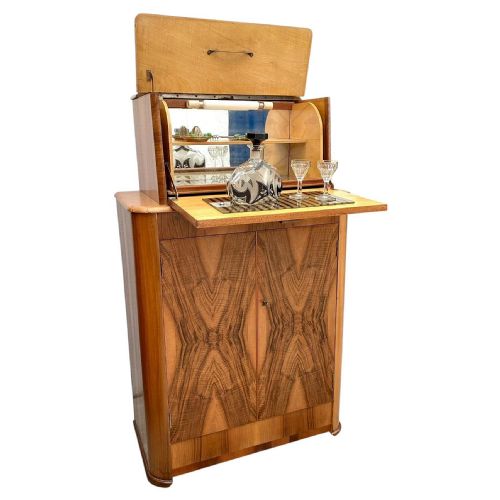
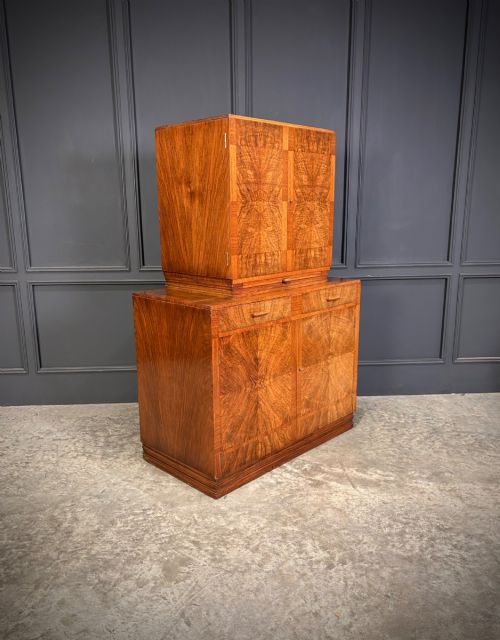
A 1930s burr walnut bar brings serious Art Deco style to home entertaining with its rich wood grain and clever storage.
1930s Burr Walnut Bar
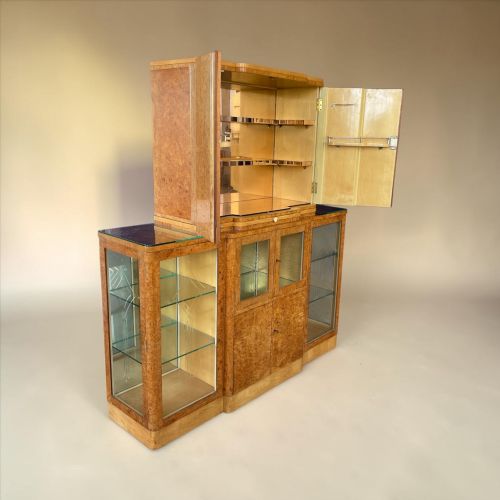
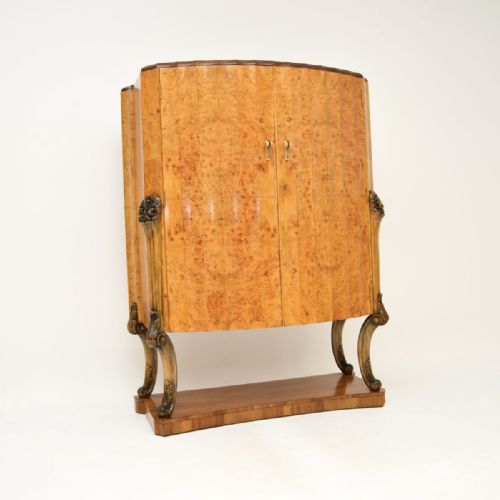
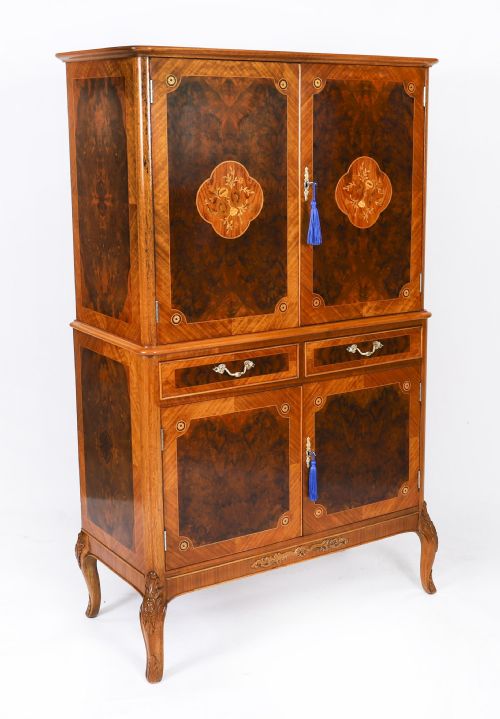
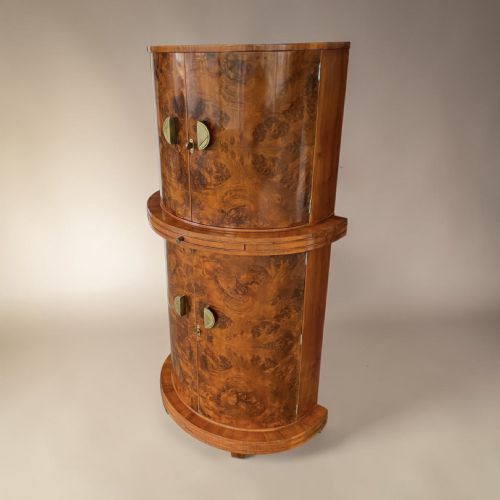
When you search for a 1930s burr walnut bar, you encounter sophisticated cocktail cabinets, drinks cabinets, and serving trolleys created primarily during the Art Deco period. These pieces served a distinct social role in twentieth-century homes, designed specifically to house bottles, glassware, and mixing equipment behind elegant doors.
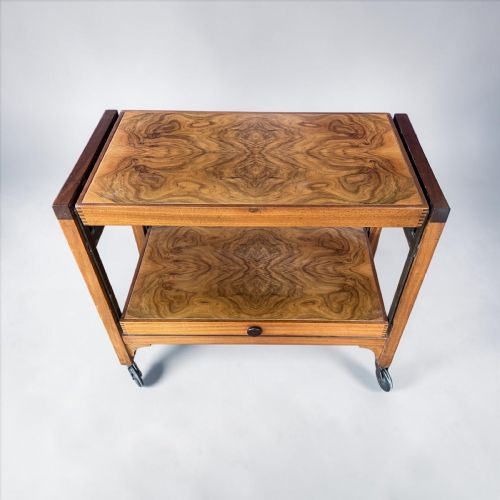
The dominant form on this page is the cocktail cabinet, often standing on a robust base with fitted interior compartments for service. Alongside these upright cabinets, you find drinks trolleys and bar carts intended for mobile hospitality, reflecting the entertaining habits of the interwar years.
Most examples hail from the 1930 or 1920 periods, carrying the unmistakable geometric lines or waterfall curves associated with Art Deco design. Makers incorporated walnut, burr walnut, and walnut veneer to achieve striking visual patterns across the exterior surfaces.
Materials and construction
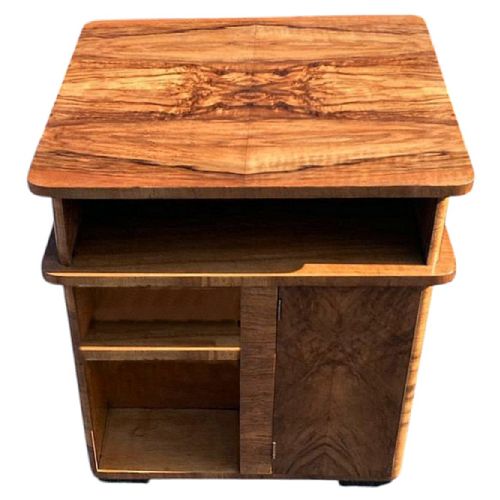
Cabinet makers applied figured walnut veneer and burr walnut over solid framing timbers to create dramatic, symmetrical grain patterns on the main doors and panels. This technique allowed craftsmen to display the natural swirls and knots of the wood to maximum decorative effect.
Interiors frequently combined glass, mirror panels, and polished metal fittings such as brass or chrome to catch the light when doors opened. Some specialised items integrated electrical components to illuminate the mixing space, pairing traditional cabinet-making with modern conveniences of the era.
1930s Burr Walnut Bar Retail Price Guide 2026
Typical asking prices for 1930s burr walnut bar among the pieces listed under this phrase on Sellingantiques today, from the lower quarter to the upper quarter. They describe what is for sale here now, not the wider market.
Listings feature items from the 1920 and 1930 periods, executed primarily in walnut, burr walnut, and walnut veneer.
Evaluating craftsmanship and design
The distinction between standard production and top-tier work rests largely on the complexity of the veneer matching and the reputation of the workshop. Pieces bearing attribution to prominent makers like Epstein or Hille demonstrate superior cabinet-making, heavier timber selection, and more elaborate interior fittings.
Attention to detail in the hardware, mirrorwork, and mechanical action of drop-down serving surfaces further separates exceptional pieces from simpler utilitarian designs. The choice between plain walnut and highly figured burr walnut alters the visual impact significantly.
Epstein·Harry and Lou Epstein·Hille·Epstein and Co Furniture
The 1930s Burr Walnut Bar Glossary
- Burr walnut
- A specialised timber cut from walnut tree growths, producing swirling, intricate grain patterns highly prized for decorative furniture facades. It forms the primary visual identity of these cabinets.
- Cocktail cabinet
- A dedicated piece of furniture designed for storing spirits, wine, and mixing accessories, typically featuring a drop-down shelf for preparing drinks. They often include specialised glass holders and mirrored interiors.
- Art Deco
- A design style from the interwar decades characterised by streamlined shapes, geometric ornamentation, and modern industrial materials. It dominates the aesthetic of the items listed here.
1930s Burr Walnut Bar: Frequently Asked Questions
What is a 1930s burr walnut bar used for?
These pieces function as dedicated drinks storage and preparation stations for entertaining guests at home. They house bottles, glassware, and cocktail accessories within fitted compartments.
Many incorporate pull-out slides or drop-down flaps that serve as makeshift counters for mixing drinks. Their enclosed design keeps the entertaining paraphernalia neat when not in use.
How do I identify an Art Deco cocktail cabinet?
Look for symmetrical burr walnut veneer patterns, clean geometric lines, and characteristic hardware made from brass or chrome. Many examples feature waterfall edges or stepped architectural shapes.
Interiors often reveal mirrored back panels, glass shelving, and specialised racks for stemware and cocktail shakers. The overall aesthetic prioritises glamour and modern sophistication.
Where were these drinks cabinets made?
The majority of these items originate from English workshops and furniture manufacturers operating during the interwar period. Prominent makers such as Epstein and Hille produced significant numbers of these cabinets in London.
Local craftsmanship focused heavily on veneer selection and decorative marquetry details to appeal to fashionable households. Regional cabinet makers also adopted these popular metropolitan styles.
How do I style a bar cart in a modern room?
Pair the warm tones of burr walnut and brass fittings with contemporary seating and minimalist surrounding decor. Use the glass and mirrored surfaces to reflect light within the room.
Stock the shelves with vintage glassware and classic bottles to highlight the historical function of the piece. Let the striking wood grain serve as a natural focal point.