




1920s Cocktail Cabinet
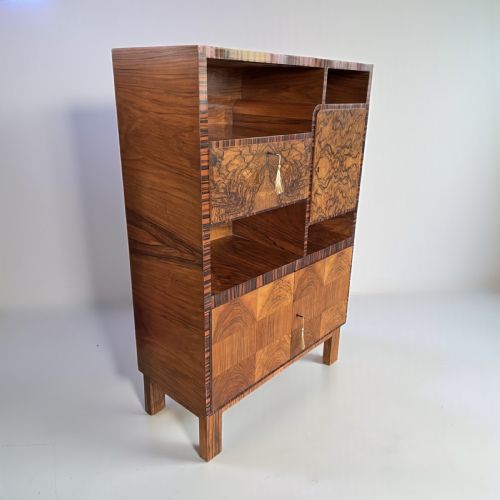
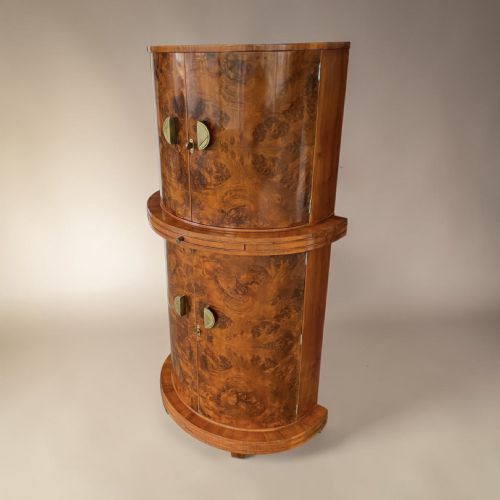
A 1920s cocktail cabinet brings the glamour of the jazz age directly into a modern drawing room.
1920s Cocktail Cabinet
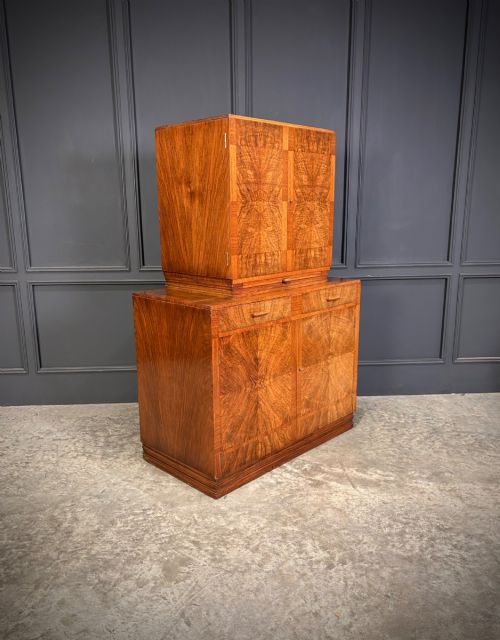
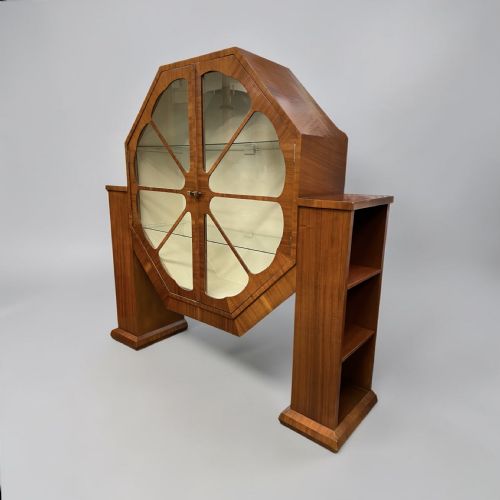
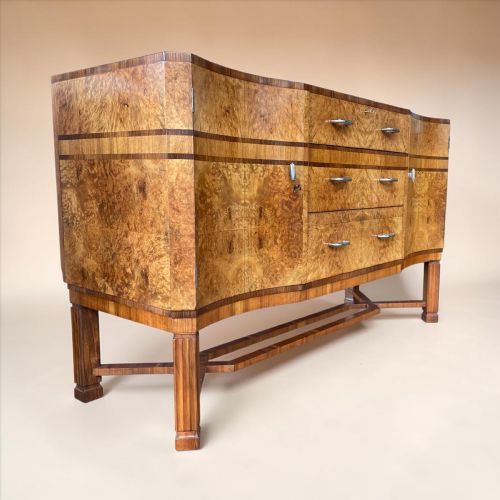
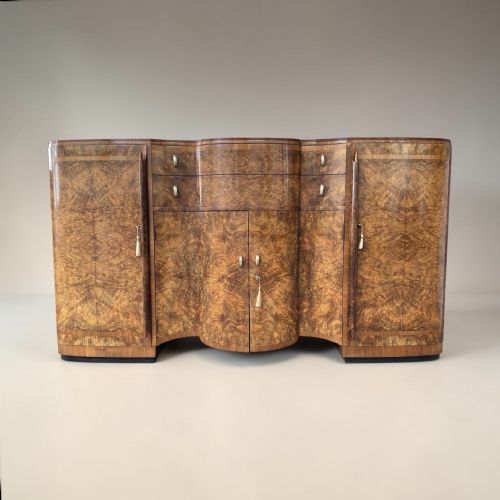
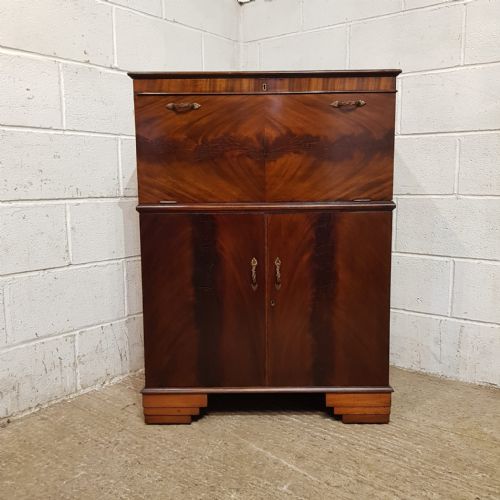
A 1920s cocktail cabinet serves as a dedicated piece of furniture designed for entertaining and housing spirits, glassware, and mixing equipment. These pieces appear primarily in forms such as sideboards, drinks cabinets, display cabinets, and dedicated cocktail bars.
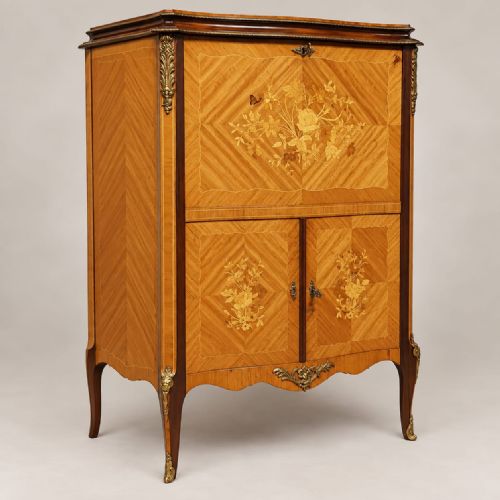
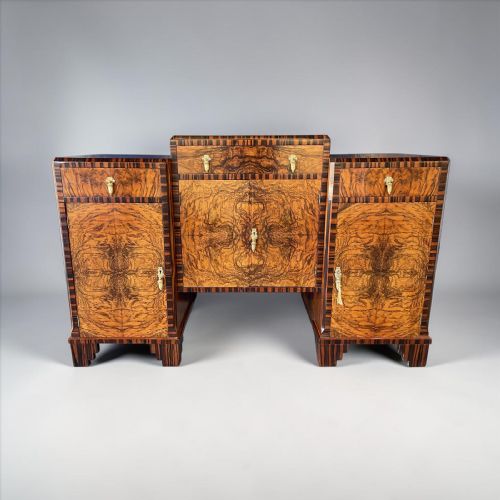
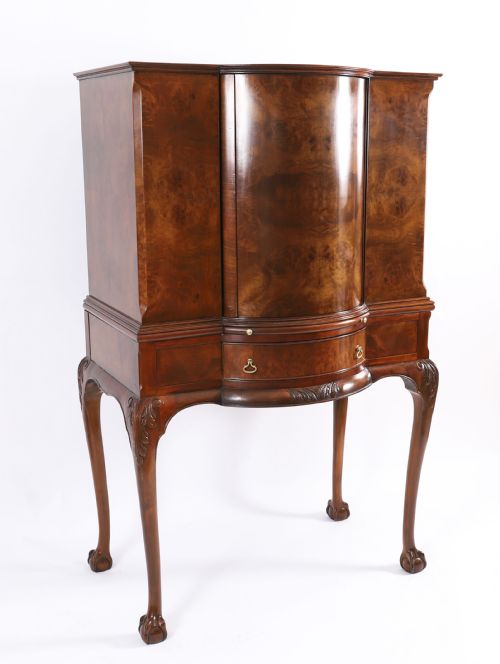
The aesthetic leans heavily into the Art Deco style, though revival influences like Queen Anne and Jacobean also emerge across the selection. Many examples originate from the 1920s and 1930s, offering distinct architectural silhouettes that suit period and contemporary interiors alike.
Buyers will find everything from compact revolving dry bar cabinets to large display furniture fitted with original glass tops. The variety reflects an era when home entertaining shifted into the domestic spotlight with sophisticated style.
How they were made
Craftsmen utilised solid timbers alongside decorative veneers to achieve striking visual depth on the exterior surfaces. Walnut, burr walnut veneer, mahogany, blonde maple, and black lacquer form the primary body materials seen across these pieces.
Metal and glass components complete the construction, incorporating brass and chrome hardware alongside fitted glass panels. These hardware choices highlight the transition toward modern industrial techniques during the period.
1920s Cocktail Cabinet Retail Price Guide 2026
Typical asking prices for 1920s cocktail cabinet among the pieces listed under this phrase on Sellingantiques today, from the lower quarter to the upper quarter. They describe what is for sale here now, not the wider market.
The listings here span the 1920 and 1930 periods, executed in walnut, mahogany, maple, and oak.
What varies in quality
The choice of surface veneer dictates much of the visual hierarchy, with richly figured burr walnut and blonde maple standing apart from standard timber surfaces. Finer examples display meticulous grain matching across the doors and panels.
Hardware selection and interior detailing further separate standard production from exceptional pieces. Original glass tops and heavy brass or chrome fittings indicate higher tier workshop output.
Maurice Adams·H&L Epstein
The 1920s Cocktail Cabinet Glossary
- Art Deco
- A design movement spanning the 1920s and 1930s characterised by sleek geometric shapes, streamlined forms, and lavish materials. It dominates the aesthetic of these drinks cabinets.
- Burr Walnut
- A distinct wood veneer harvested from the warted growths on walnut trees, showing swirling, intricate grain patterns. It remains a signature finish for luxury cabinets of this era.
- Drinks Trolley
- A mobile serving cart equipped with wheels, designed for transporting glassware and bottles between rooms. These portable bars often feature mirrored surfaces and metal framing.
- Veneer
- A thin slice of decorative wood glued over a sturdier secondary timber base to create a uniform exterior appearance. Cabinet makers used this technique to showcase dramatic wood grain without structural warping.
1920s Cocktail Cabinet: Frequently Asked Questions
What is inside a cocktail cabinet?
These cabinets typically house dedicated shelving for spirit bottles, specialised hanging or standing storage for glassware, and mirrored preparation surfaces for mixing drinks.
Many designs also incorporate pull-out slides or drop-down flaps that function as serving counters when entertaining guests.
How do I clean burr walnut?
Maintain the timber by dusting regularly with a soft, dry cloth and avoiding harsh chemical sprays that might strip the historic polish.
Nourish the wood periodically using a quality beeswax polish to preserve the warmth and depth of the burr grain.
Where were these cabinets placed?
Original placement centred primarily around formal drawing rooms, dining spaces, or dedicated smoking rooms where hosts entertained visitors.
Today, they function equally well as statement pieces in living areas, serving their original purpose during social gatherings.
Are these cabinets purely Art Deco?
While Art Deco defines the majority of the selection, revival styles such as Jacobean and Queen Anne also appear within the period offerings.
This variety demonstrates how traditional cabinet-making traditions adapted to modern lifestyle demands during the early twentieth century.