


1920s Art Deco Glass
These pieces of 1920s art deco glass capture an era of brilliant modernist design and brilliant colour.
1920s Art Deco Glass
When buyers search for 1920s art deco glass, they encounter items produced during the height of the modernist design movement. The selection on this page ranges across decorative bowls, vases, lighting fixtures, and desk objects.
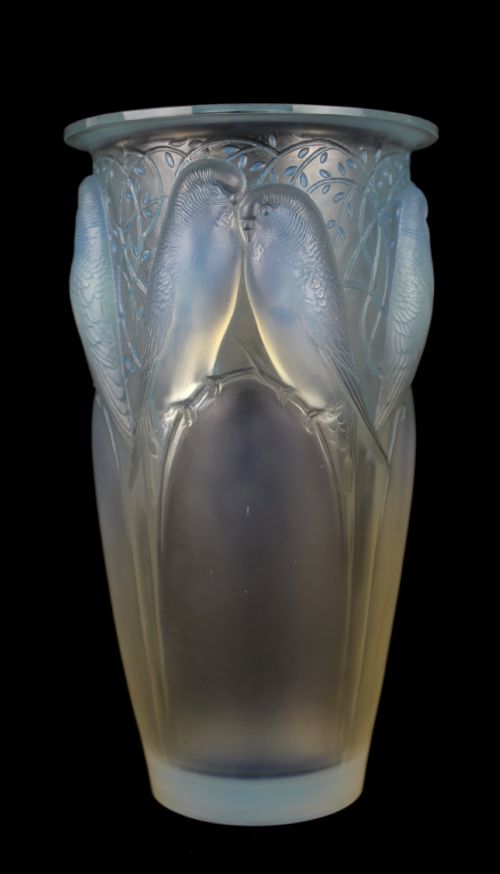
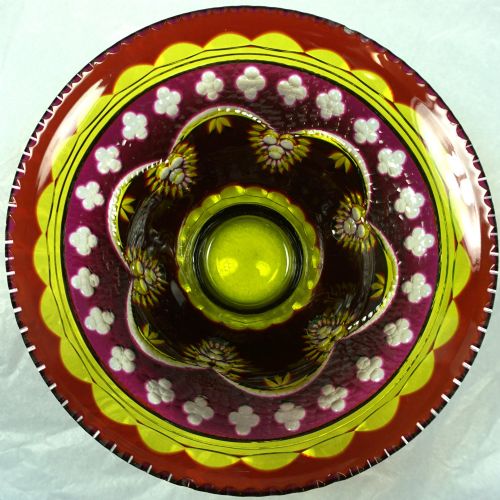
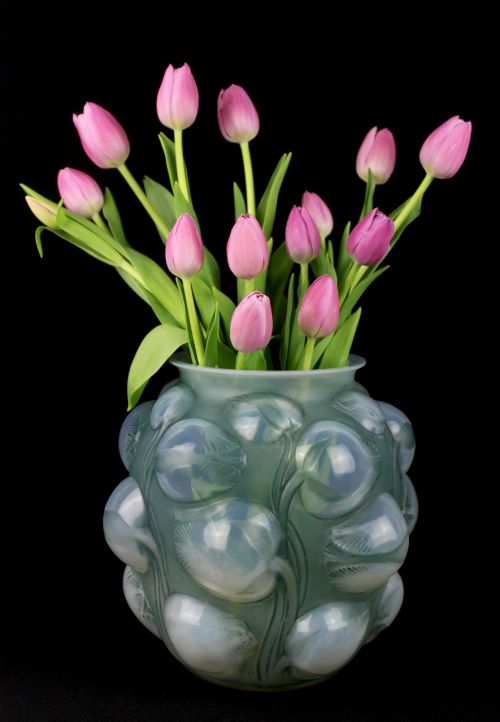
Vases and decorative bowls form the core of what appears in daily browsing. These pieces utilise distinctive moulding techniques and characteristic geometric or natural motifs associated with the period.
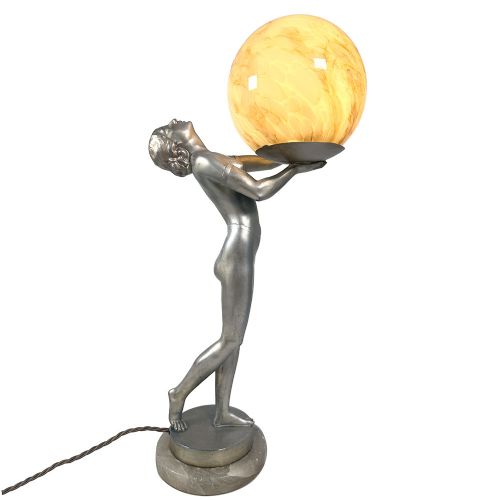
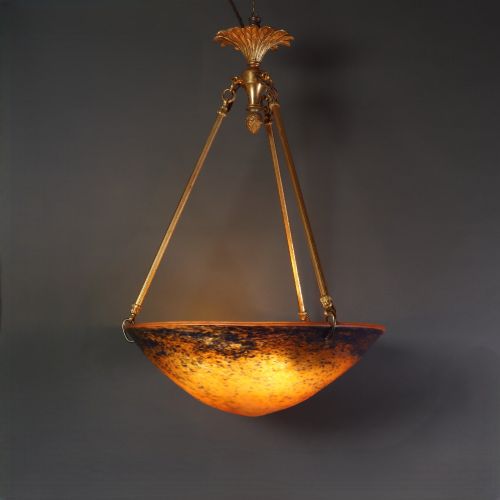
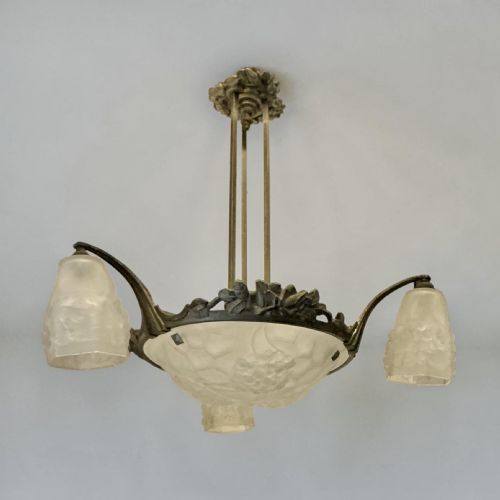
Lighting makes up another substantial portion of the objects seen, including pendant lights, ceiling fixtures known as plafonniers, and sculptural table lamps combining glass with metal components.
How these pieces were made
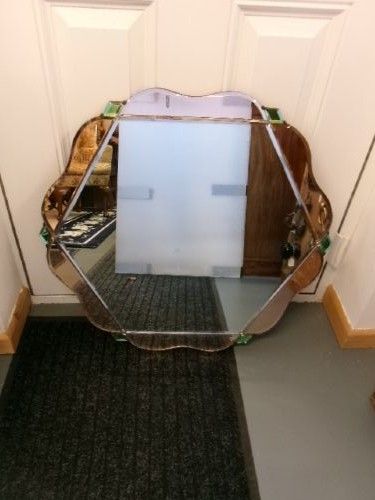
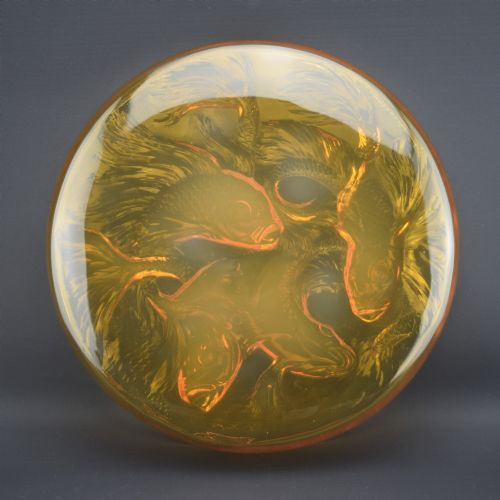
Makers utilised clear glass, frosted glass, and opalescent glass to achieve varied optical effects. Techniques included mould-pressing, acid-etching, and hand-cutting to create depth and texture.
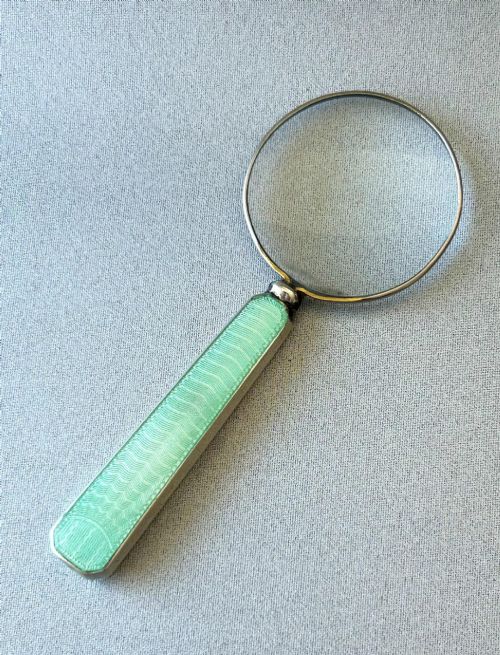
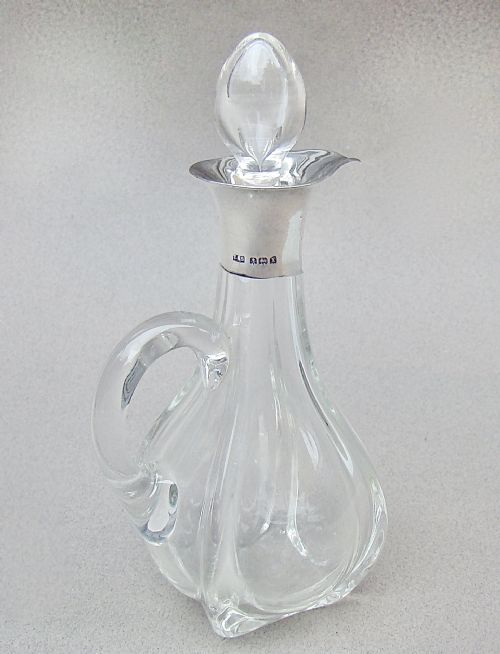
Metals such as brass, silver, sterling silver, and spelter frequently mount or support the glass elements in lamps, bottles, and decorative wares.
1920s Art Deco Glass Retail Price Guide 2026
Typical asking prices for 1920s art deco glass among the pieces listed under this phrase on Sellingantiques today, from the lower quarter to the upper quarter. They describe what is for sale here now, not the wider market.
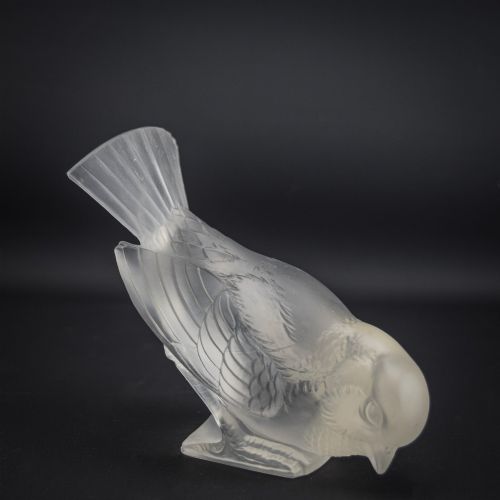
Several glass birds sit quietly among the listings, waiting to hold paper or tell the time.
What varies in quality
Quality differences rest in the crispness of the moulding and the depth of the finish. Superior pieces display sharply defined motifs and sophisticated handling of opalescent or multi-tone coloration.
The integration between the glass and any metal mountings or silverwork dictates the overall refinement of an object. Better examples maintain balance and harmony between contrasting materials.
René Lalique·Val ST Lambert·Charles Schneider·Degué·Argy Rousseau·Levi & Salaman·Henry Clifford Davis·Tiffany & Co·Émile-Jacques Ruhlmann
The 1920s Art Deco Glass Glossary
- Opalescent glass
- Glass that diffuses light and displays milky, translucent tones that shift between blue and amber depending on the illumination. This effect became a hallmark of leading French glassworks.
- Plafonnier
- A ceiling light fixture mounted flush or close to the ceiling, frequently utilising moulded frosted glass shades. These fixtures illuminated interiors during the interwar period.
- Pate de verre
- A glass-crafting technique involving crushed glass packed into a mould and fused by heat. This method produces thick, textured objects with dense colour saturation.
- Car mascot
- A sculptural ornament mounted on the radiator cap of a motor vehicle. Makers produced these items in moulded glass for prominent automobiles of the era.
- Spelter
- A zinc alloy utilised as a base metal for cast figures and lamp bases. Manufacturers often plated or patinated this material to imitate bronze.
1920s Art Deco Glass: Frequently Asked Questions
What periods do these glass items date from?
The objects span the 1900s, Victorian era, 1920s, and 1930s. The majority align directly with the interwar art deco movement.
Individual pieces often bear dates or period characteristics specific to their decade of manufacture.
How do I identify opalescent glass?
Opalescent glass changes appearance as light moves across its surface. It typically shows milky highlights alongside amber or blue tones.
This optical quality results from specific chemical compounds added during the melting process.
Where were these glass pieces manufactured?
France and Britain produced a significant share of the items on this page. Makers across Europe and America contributed distinct regional styles.
French glassworks particularly dominated the production of moulded decorative objects and lighting.
How do glass shades mount to lamps?
Glass shades often fit into metal frames or collars secured by screws. Spelter, brass, and silver mounts hold the glass elements in place.
Careful alignment ensures the weight distributes evenly across the metal armature.