



Lalique Paperweight
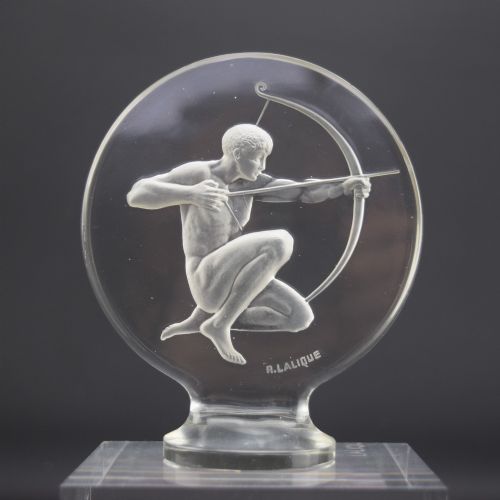
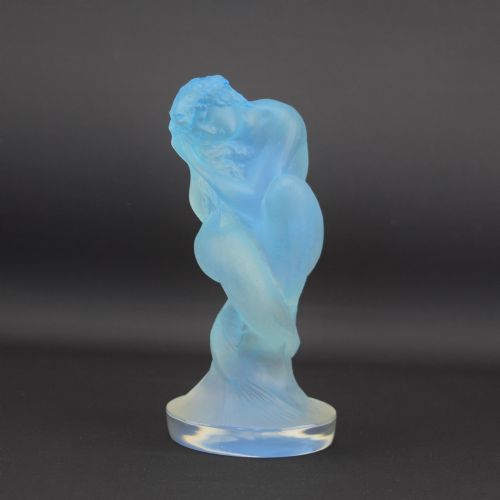
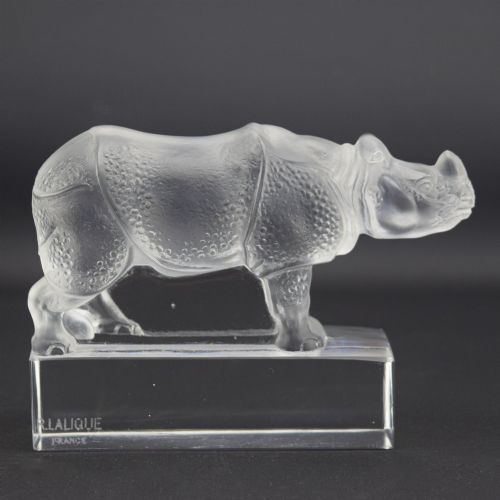
These lalique paperweight examples bring twentieth-century glass sculpture to the desk, uniting animal and figural forms in frosted and opalescent finishes.
Lalique Paperweight
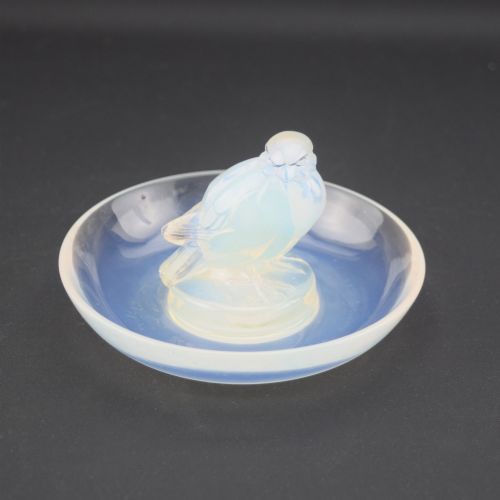
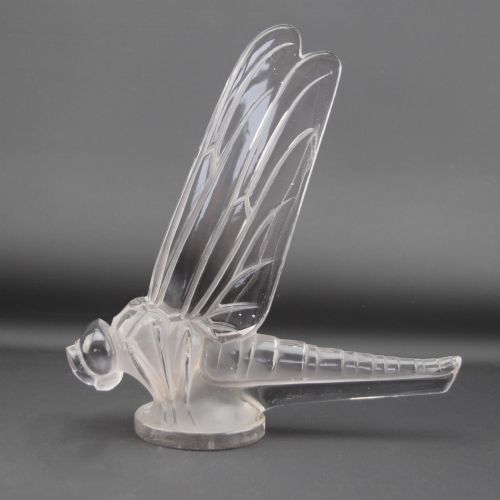
When you search for a lalique paperweight, you encounter small glass sculptures, pin dishes, desk seals, and car mascots that double as desk objects. The selection spans the 1910s, 1920s, and 1930s, capturing the transition from Art Nouveau curves to geometric Art Deco lines.
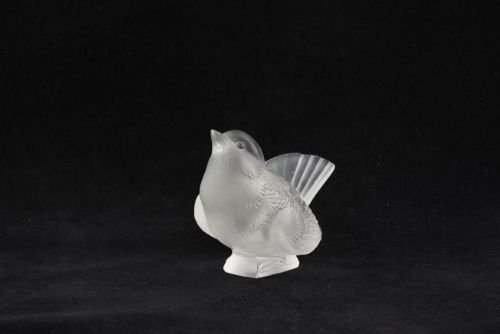
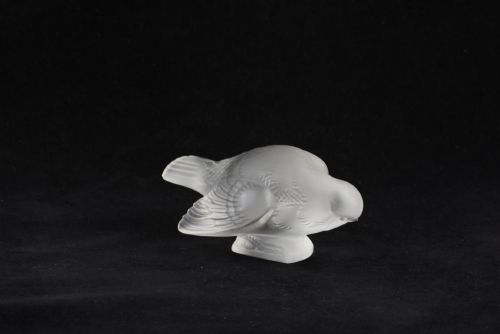
Animal studies dominate the form, featuring sparrows, elephants, rhinoceroses, and wild boars alongside female figures such as sirens and naiads. Many items began life as car mascots or ashtrays before finding a second life on writing desks as paperweights.
The objects derive from French manufacture, displaying the signature heavy moulding of the period. Collectors encounter clear, frosted, blue-stained, and opalescent glass variations that catch the light from different angles.
How they were made
Makers utilised pressed, moulded, and crystal glass techniques to achieve deep relief and tactile surfaces. Molten material was pressed into metal moulds, capturing intricate details of feathers, hair, and animal hides.
Frosting was applied through acid etching or sandblasting to create a matte, translucent finish that contrasts sharply with polished clear surfaces. Some pieces incorporate coloured stains into the recesses to accentuate the design.
Listings span three distinct decades from the early twentieth century, incorporating Art Deco and Art Nouveau design movements.
What varies in quality
The crispness of the moulding defines the standard of a piece, with finer examples retaining sharp feather details and facial expressions. Softer definition in the press indicates a worn mould or secondary production run.
The clever use of opalescence, where the glass glows blue in transmitted light and warm amber in reflected light, separates exceptional glasswork from plain clear material. The depth of the frosted contrast against polished highlights dictates visual impact.
Rene Lalique
The Lalique Paperweight Glossary
- Opalescent glass
- Glass containing agents that cause it to appear milky-blue when viewed by transmitted light and yellowish-orange by reflected light. This optical property creates a characteristic depth in twentieth-century French glass.
- Car mascot
- An ornamental hood ornament fitted to motor vehicles during the early twentieth century. Many glass examples later served alternative functions as desk paperweights.
- Cachet
- A desk seal used for stamping wax on correspondence. These small carved items often feature animal or figural motifs.
- Socle
- A short plinth or pedestal supporting a sculpture or paperweight. It lifts the primary glass form away from the desk surface.
Lalique Paperweight: Frequently Asked Questions
What is a lalique paperweight?
A lalique paperweight is a small glass sculpture or adapted car mascot from the early twentieth century, designed for use on a desk.
These items range from detailed bird studies to female figures, utilising frosted and opalescent glass to create tactile desk ornaments.
How do I date a lalique paperweight?
Dating relies on stylistic markers from the Art Nouveau and Art Deco periods, alongside production methods typical of the 1910s, 1920s, and 1930s.
Pieces often share designs with contemporary car mascots and pin dishes produced during those specific decades.
Were these always paperweights?
Many objects designed as car mascots, ashtrays, or pin dishes were later repurposed as paperweights for the desk.
The heavy glass construction made them suitable for holding down paper regardless of their original intended function.
How should I clean a glass paperweight?
Maintenance requires gentle cleaning with warm water and a soft cloth to protect the delicate frosted surfaces and patinated recesses.
Harsh chemical detergents or abrasive pads must be avoided to preserve the original polish and acid-etched texture.