


1920s Afghan Rug
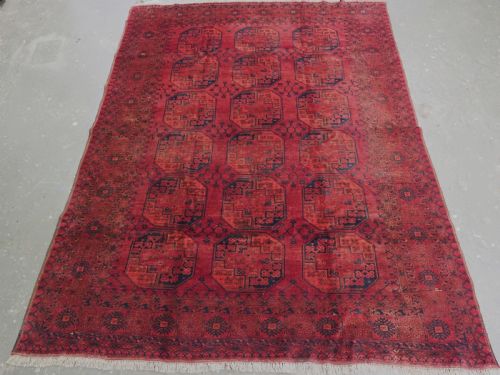
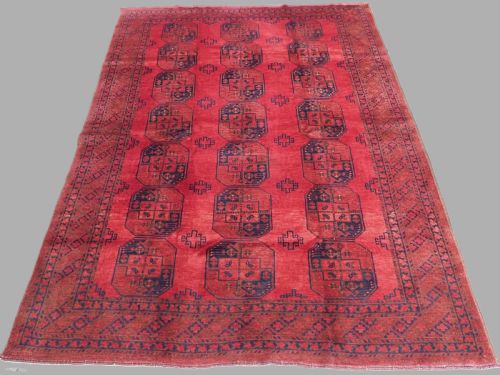
A 1920s afghan rug brings rich, grounding tribal character into a room through deeply saturated red tones and enduring geometric designs.
1920s Afghan Rug
When searching for a 1920s afghan rug, collectors encounter a diverse range of tribal formats originating from nomadic and village weaving traditions. The selection spans large floor carpets, functional runner rugs, and specific devotional pieces designed for prayer.
The most prevalent types include village carpets bearing traditional Turkmen styles, Ersari designs, and specialised Baluch variations. Buyers also find utilitarian storage bags and flatwoven kilims alongside smaller area formats.
These textiles reflect the distinct regional heritages of Afghan weavers from the early twentieth century. Each piece carries motifs rooted in tribal identity, from repeated gul patterns to complex mihrab layouts.
Factors influencing quality
The standard of a piece depends heavily on the handled quality of the wool and the depth of the natural dye palette. Softer, glossier wool textures indicate superior material selection by the original weaver.
Structural integrity and the precision of traditional motifs also differentiate pieces across the range. Finer knotting and well-executed border designs elevate the visual impact of village and tribal carpets.
1920s Afghan Rug Retail Price Guide 2026
Typical asking prices for 1920s afghan rug among the pieces listed under this phrase on Sellingantiques today, from the lower quarter to the upper quarter. They describe what is for sale here now, not the wider market.
The available selection includes pile rugs, flatwoven kilims, storage bags, and dedicated mosque prayer formats.
The 1920s Afghan Rug Glossary
- Mihrab
- A niche design element found on prayer rugs that indicates the direction of prayer. It often appears in single, double, or triple variations known as seh mihrab.
- Gul
- An octagonal medallion motif repeated across Turkmen and Afghan carpets. This geometric emblem serves as a fundamental tribal signature.
- Kilim
- A flatwoven textile produced without a pile. These pieces often feature sharp chevron patterns or serve as functional end sections on village rugs.
- Balisch
- A traditional storage or grain bag woven with a pile face and a plain weave back. These items demonstrate the domestic utility of tribal weaving.
- Ersari
- A major Turkmen tribal group known for producing large carpets with warm red colouration and classic geometric arrangements.
1920s Afghan Rug: Frequently Asked Questions
How do I identify a prayer rug?
Prayer rugs feature a distinctive architectural niche called a mihrab, which often mimics the shape of a mosque arch. These smaller formats were designed for individual daily devotion.
Many examples in this group include single, double, or triple mihrab layouts, sometimes accompanied by lanterns or star motifs above the arch.
Where were these rugs made?
These textiles were produced by various tribal and village communities across Afghanistan during the early twentieth century. Specific groups represented include the Ersari, Baluch, Kizil Ayak, and Pashtun.
Weavers worked within distinct regional traditions, utilising local materials and passed-down geometric design vocabularies.
Are these rugs durable for daily use?
Most of these pieces are constructed from heavy-duty, hard-wearing wool designed to withstand regular foot traffic. Village carpets and runner formats were originally built for practical household endurance.
Proper placement and a quality underlay will help preserve the pile and structure of these antique textiles in modern living spaces.
What colours are typical for this period?
The dominant palette relies heavily on deep, warm red shades created through natural dyeing techniques. These rich tones are frequently complemented by secondary accent colours in traditional village designs.
Over decades, the wool develops a soft, faded patina that enhances the overall visual depth of the rug.