



1900s Wool Carpet
A 1900s wool carpet brings enduring character to a floor through rich regional motifs and time-tested craftsmanship.
1900s Wool Carpet
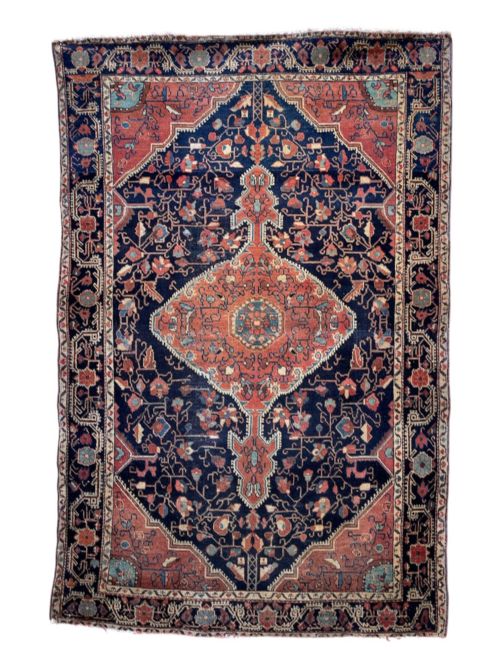
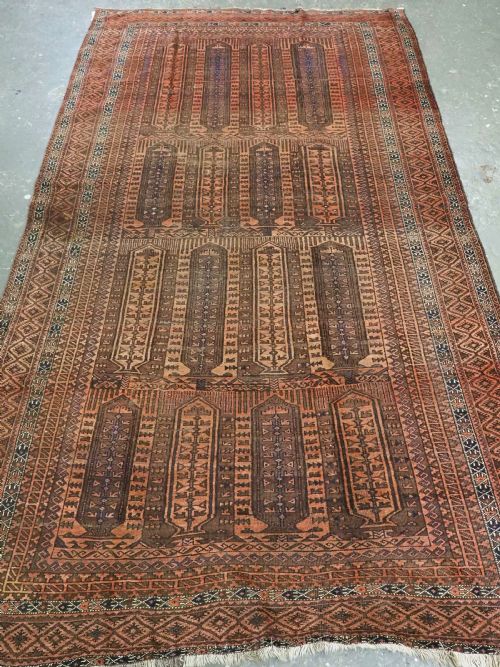
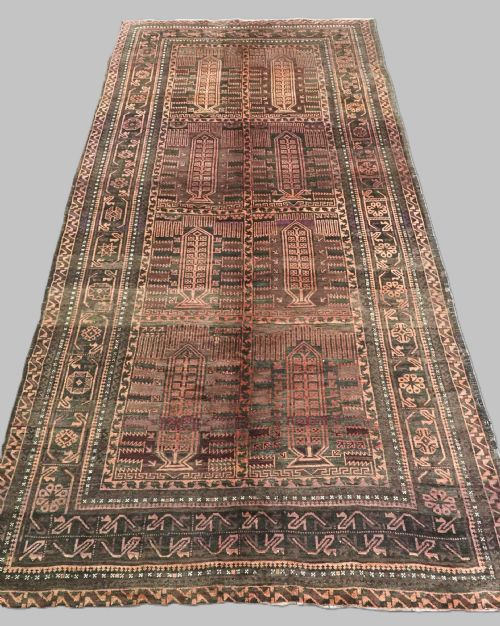
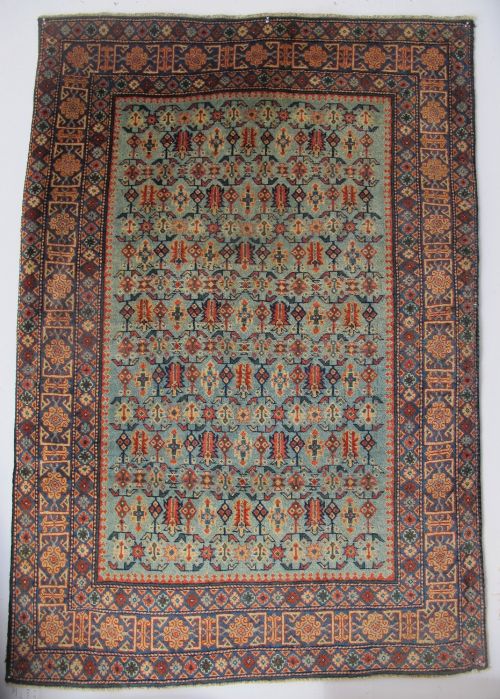
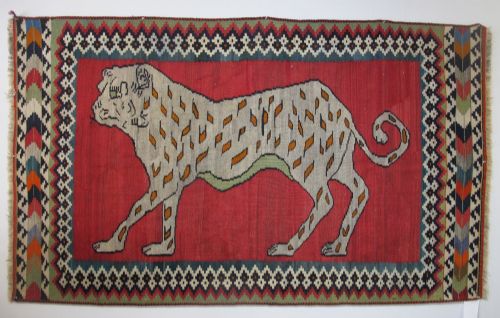
A 1900s wool carpet encompasses hand-woven rugs, runners, and room-sized floor coverings originating from Persian, Caucasian, Turkmen, and Baluch weaving traditions. These pieces reflect the distinct tribal and regional aesthetics of the turn of the twentieth century, bridging nomadic utility and domestic comfort.
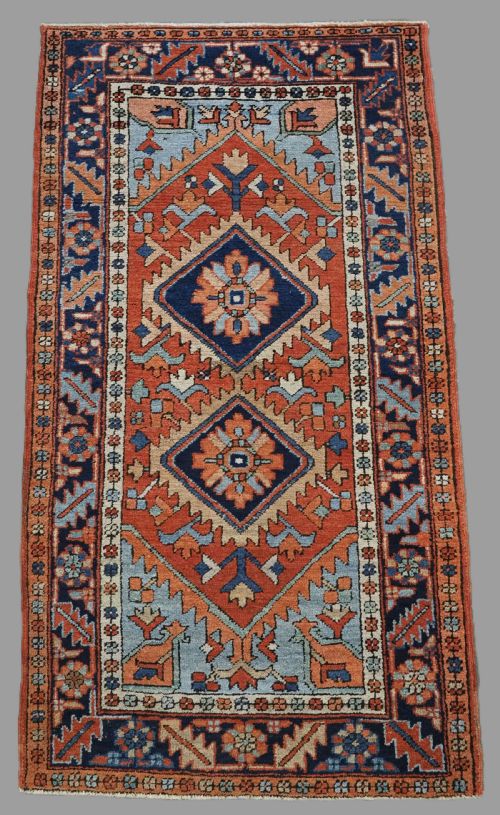
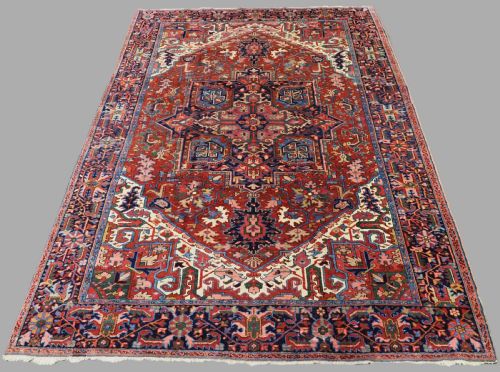
Buyers most frequently encounter village and tribal formats on this page, including Baluch prayer rugs, Heriz carpets, and Turkmen main carpets. These varieties often feature geometric guls, boteh patterns, or medallion layouts suited to traditional hallways and living spaces.
The assortment includes specialised formats such as long runners, small area rugs, and double mihrab prayer rugs. Each object type carries the structural traits of its weaving origin, from the heavy wool pile of Afghan workshops to the flat-woven kilims of southern Persia.
How They Were Made
Weavers utilised natural dyes derived from plants and minerals to colour wool, cotton, goat hair, and occasionally camel hair or silk foundation yarns. This dyeing method produces varied, deep tones that mature gently over decades.
Construction relies on hand-knotting or flat-weaving techniques executed on vertical or horizontal looms. The density of the weave and the quality of the wool determine the structural integrity and flexibility of each carpet.
Some Baluch weavers incorporated camel hair into their carpets, creating naturally fuzzy borders that cats find irresistible.
What Varies in Quality
Quality rests primarily on the handling of natural dyes and the depth of the colour palette. Pieces with vibrant, nuanced hues and harmonious tonal shifts stand apart from those with flat or chemically uniform colouring.
The precision and fineness of the weave dictate the clarity of geometric motifs like the kepse gul or cloud band design. Tightly packed knots yield a durable structure that maintains the crispness of tribal patterns through years of use.
The 1900s Wool Carpet Glossary
- Gul
- An octagonal medallion or tribal motif frequently repeated across Turkmen and Baluch carpets. These symbols often denoted specific tribal lineages.
- Mihrab
- A niche design element found predominantly on prayer rugs, representing the direction of prayer. It shapes the central field of the rug.
- Boteh
- A teardrop or almond-shaped motif with a curved upper end, symbolising life and eternity. It appears widely across Persian and Caucasian textiles.
- Kilim
- A flat-woven carpet produced without a pile, resulting in a lighter, tapestry-like structure. These textiles serve as floor coverings or hanging pieces.
- Ensi
- A specific carpet format traditionally used as a tent door hanging by Turkmen tribes. They feature characteristic cross-shaped divisional layouts.
1900s Wool Carpet: Frequently Asked Questions
How do I clean an antique wool carpet?
Gentle surface brushing and professional specialist washing maintain the integrity of natural wool pile and plant-derived dyes.
Avoid harsh chemical detergents and excessive water immersion to protect the foundation fibres.
Are these carpets suitable for heavy foot traffic?
Many room-sized carpets and runners withstand everyday domestic use thanks to dense wool construction and sturdy cotton foundations.
Placing an appropriate underlay beneath the rug reduces friction and prevents slipping on hard floors.
How do I identify a tribal rug origin?
Distinctive wool textures, specific knotting densities, and regional motifs such as Turkmen guls or Caucasian medallions point toward specific weaving groups.
Colour palettes containing deep reds, aubergines, and indigo blues offer further clues to geographic provenance.
Will natural dyes fade in sunlight?
Plant-derived and natural dyes possess good longevity, but direct, continuous sunlight alters tones over extended periods.
Positioning carpets away from intense south-facing windows preserves the original depth of colour.