
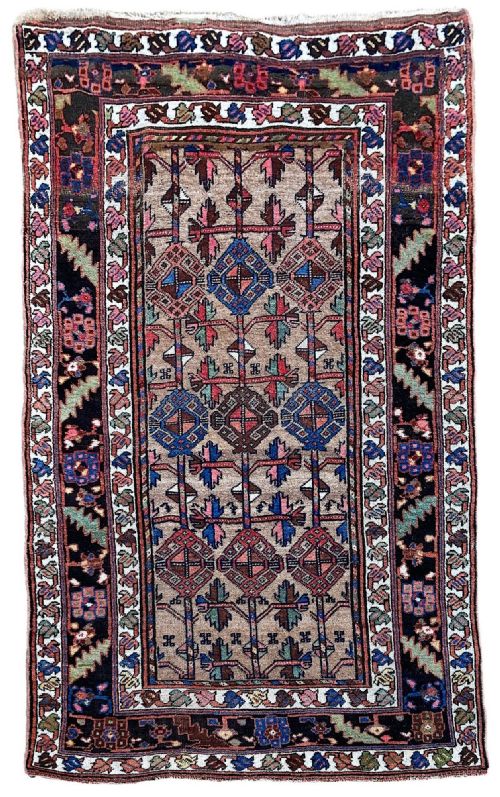


Beige Tribal Carpet
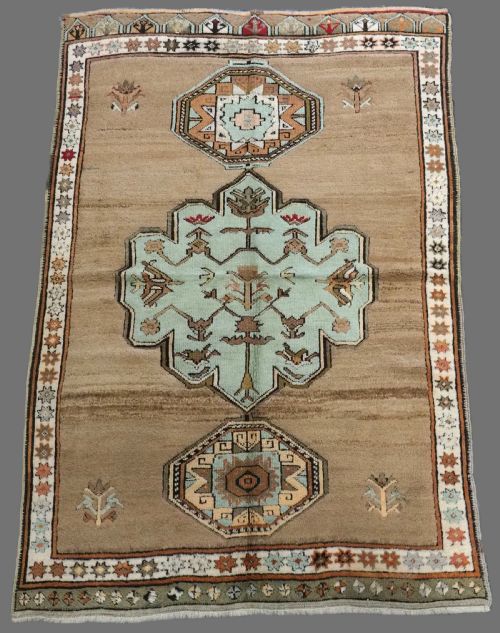
A beige tribal carpet brings rustic warmth to a room through traditional village weaving and natural camel wool.
Beige Tribal Carpet
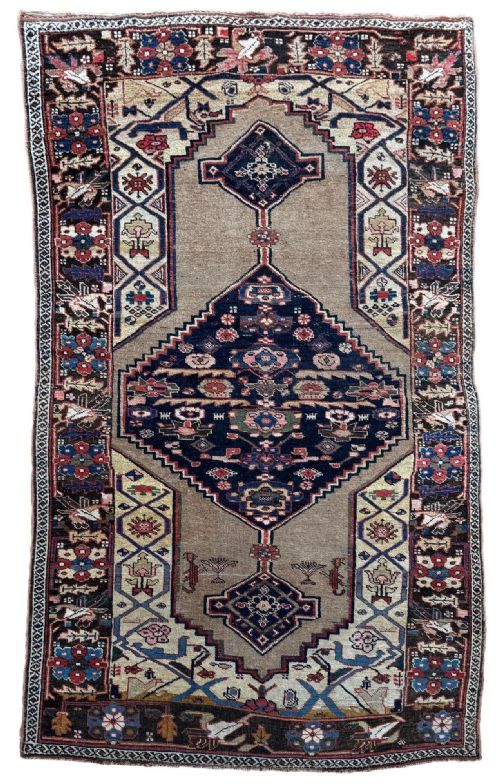
When you search for a beige tribal carpet, you encounter hand-knotted village and nomad floor coverings originating primarily from Persia, Anatolia, and Afghanistan. These floor coverings span the late nineteenth century and the early decades of the twentieth century, reflecting traditional regional weaving practices.
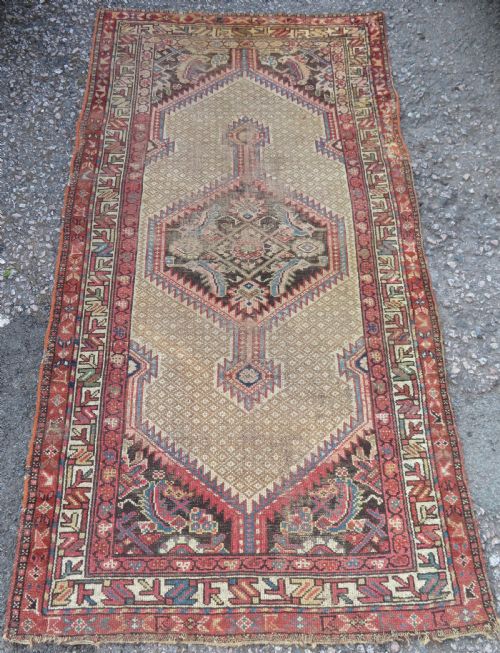
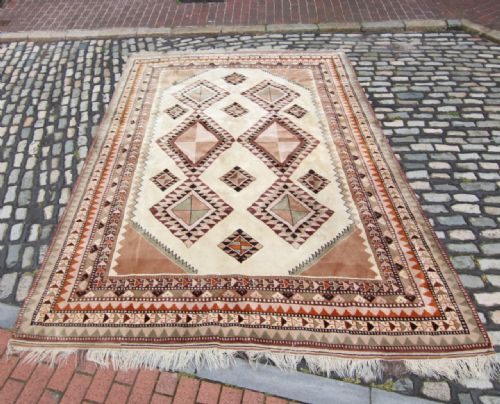
The most common formats on this page are room-size carpets, smaller rugs, and long narrow runners suited for hallways. Many examples showcase neutral tones derived from un-dyed camel hair or wool fields.
Geographic attribution covers specific styles such as Sarab, Baluch, Kurdish, and Afghan tribal weaving. These items serve both practical floor insulation and decorative village art.
How they were made
Weavers constructed these textiles primarily using hand-spun wool, cotton foundations, and natural camel hair. The natural fibres provide a durable pile that softens in texture over decades of use.
Dyes were traditionally sourced from local plants and minerals, resulting in muted palettes and soft faded patinas. Foundation warps and wefts were tightly beaten together during the hand-weaving process to ensure structural integrity.
A solitary Victorian armchair upholstered in vintage kilim carpet sits among the rugs, wearing its textile coat with unexpected dignity.
What varies in quality
Quality depends on the density of the knotting and the fineness of the weave, which dictate the crispness of geometric and floral motifs. Tighter foundations yield greater durability in everyday foot traffic.
The handling of natural materials also sets pieces apart, particularly the selection of hand-spun wool and camel hair for the pile. Superior examples display balanced proportions, harmonious natural colour palettes, and intact original edges.
The Beige Tribal Carpet Glossary
- Camel hair
- Animal fibre utilised in its natural undyed shade to create neutral beige fields in tribal rugs. It offers a distinct soft texture and rustic appearance.
- Runner
- A long and narrow carpet format designed specifically for corridors, hallways, and staircases. These pieces often feature repeating geometric medallions.
- Prayer rug
- A small format textile featuring a niche or arch design representing the mihrab. Weavers traditionally used these items for personal daily devotions.
- Patina
- The surface appearance acquired through age, wear, and light exposure. This softens the original brightness of the natural dyes.
- Warp
- The vertical foundation threads stretched tightly on the loom before knotting begins. Weft threads are inserted across these warps to secure the knots.
Beige Tribal Carpet: Frequently Asked Questions
Where were these carpets made?
The listings originate from weaving traditions across Persia, Anatolia, and Afghanistan. Village and tribal workshops produced them using local materials and inherited regional designs.
Specific provenances include Sarab, Kurdistan, Baluchistan, and various Anatolian regions. Each area imparted distinct structural characteristics and motif repertoires to the weaving.
How do I care for antique wool rugs?
Regular gentle vacuuming without a rotating power brush maintains the pile and removes trapped dust. Professional cleaning tailored to antique textiles preserves the natural lanolin in the wool.
Positioning the rug out of direct harsh sunlight prevents uneven fading of the natural dyes. Using a quality underlay prevents slipping and cushions the foundation against floor friction.
What defines a tribal rug design?
Tribal designs rely on geometric motifs, stylized trees of life, and repeating village patterns rather than formal court curves. Weavers worked from memory and local tradition rather than drawn paper cartoons.
Asymmetry and spontaneous colour shifts often appear in these pieces, reflecting the individual weaver's choices. This direct expression separates nomadic and village work from urban manufactory output.
How are narrow runners used in modern interiors?
Narrow runners fit effectively in hallways, entryways, galley kitchens, and alongside beds. Their elongated proportions guide the eye through a space while protecting high-traffic flooring.
Measuring the corridor width and leaving an equal margin of exposed floor on either side achieves the best visual balance. Selecting pieces with durable wool piles ensures they withstand daily foot traffic.