




Woven Geometric Rug
A woven geometric rug brings tribal rhythm and enduring wool texture into a room through centuries-old patterns.
Woven Geometric Rug
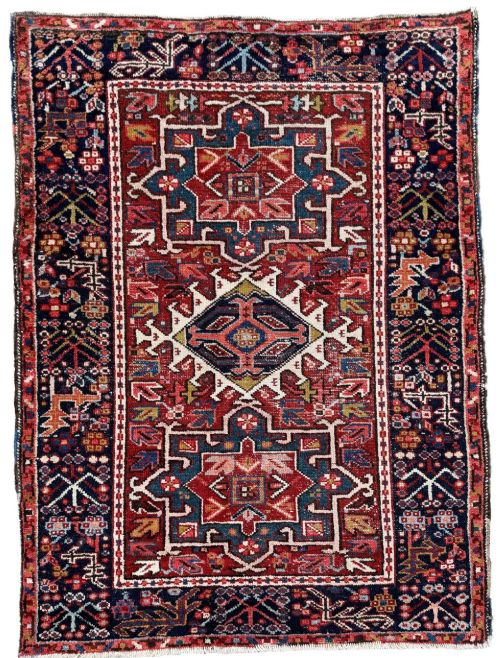
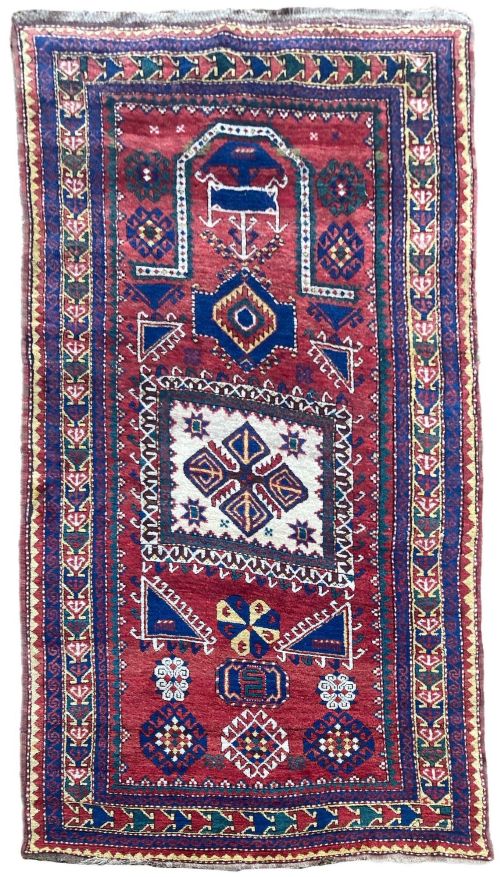
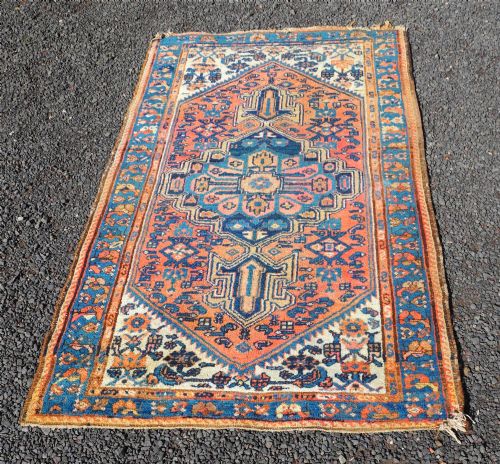
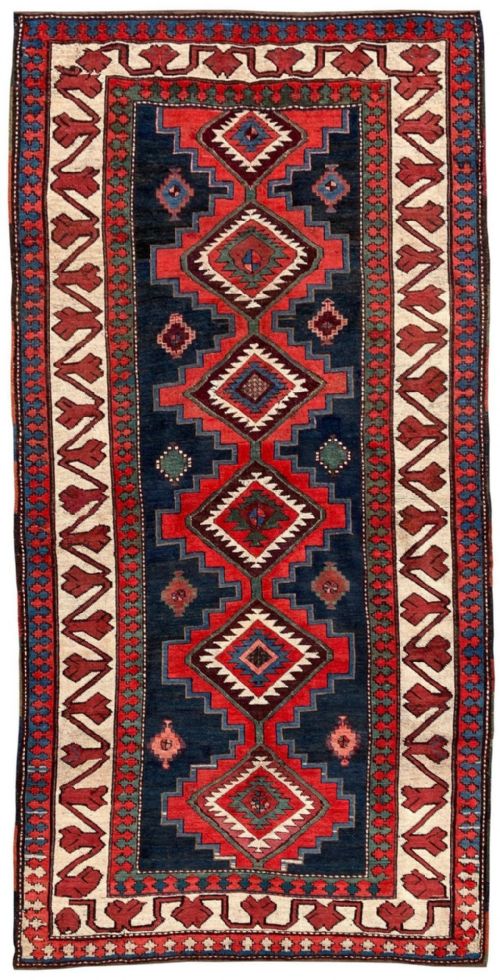
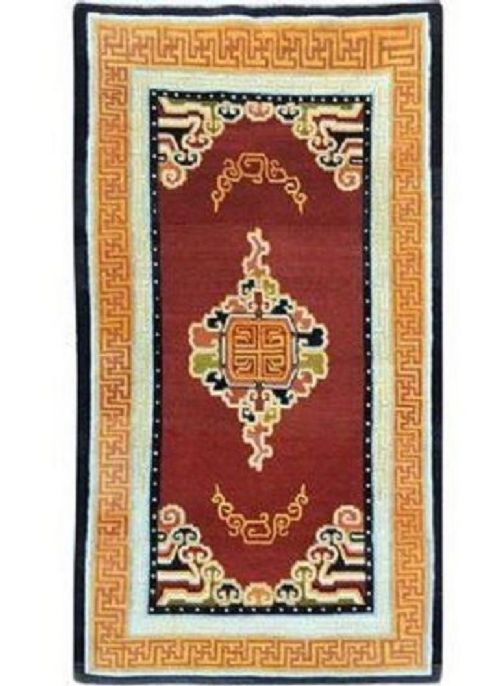
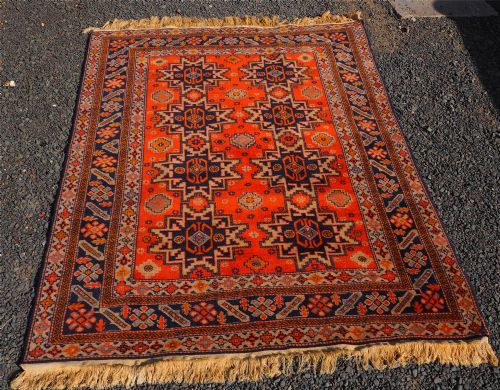
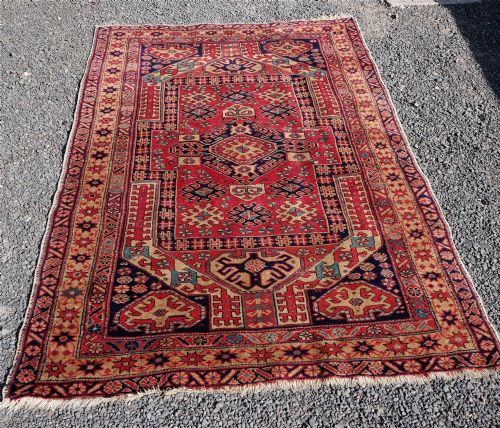
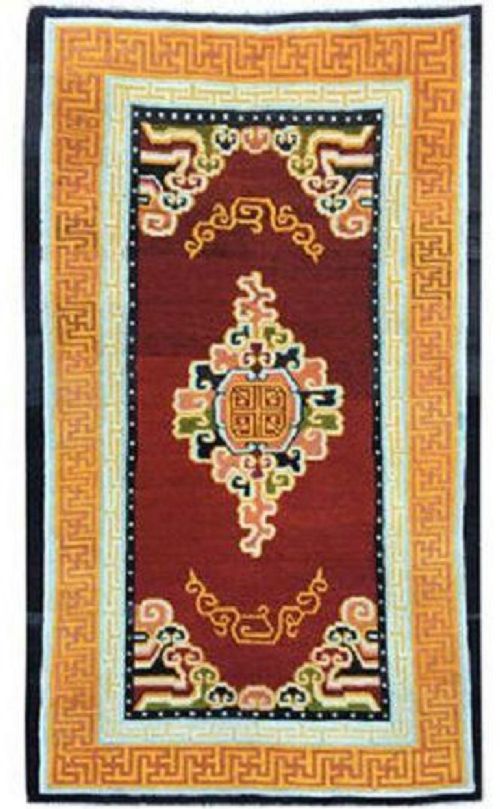
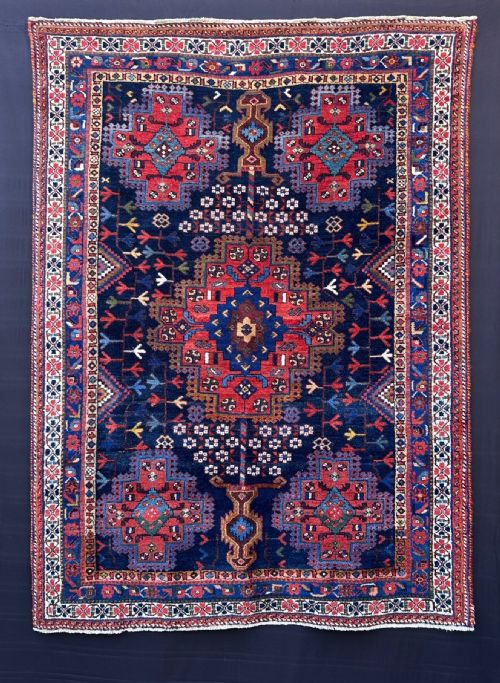
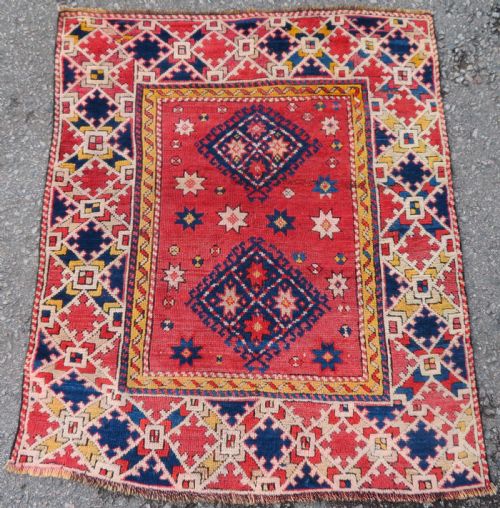
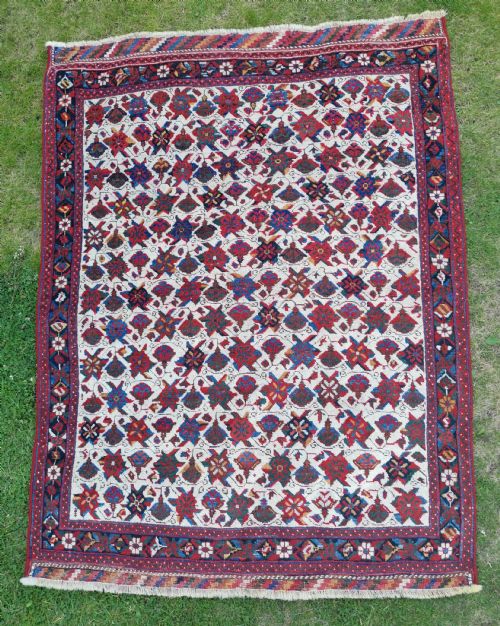
A woven geometric rug encompasses hand-knotted and flatwoven floor coverings originating from tribal and nomadic regions across Persia, the Caucasus, Anatolia, and Central Asia. These textiles display medallions, lattice work, and angular motifs passed down through generations of weavers.
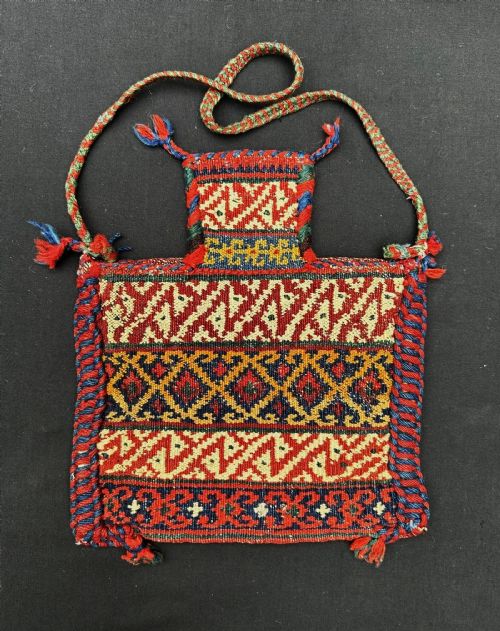
The versions most frequently met on this page belong to the nineteenth and early twentieth centuries, spanning periods from the 1870s to the 1930s. They appear as small mats, runner rugs, room-size carpets, and practical bags utilised by nomadic groups.
Makers include weavers from specific tribal confederacies such as the Qashqai, Khamseh, Afshar, and various Caucasian and Turkmen groups. Each region expresses its heritage through distinct structural proportions and symbolic layouts.
How they were made
Weavers relied principally on wool and cotton, often combining hand-spun wool pile with sturdy cotton foundations for structural durability. Natural dyes provided the rich palette seen across these textiles, sourced from local plants and minerals.
The construction involves hand-knotting or flatweaving techniques executed on portable vertical or horizontal looms. This traditional craftsmanship ensured each piece could withstand nomadic transport while maintaining a dense, resilient surface.
Nomadic weavers frequently incorporated small saddle bags and vanity pouches into their daily travel gear.
What varies in quality
Quality rests upon the fineness of the knot density and the precision of the geometric drawing within the field. Tighter construction yields crisper lines and greater longevity under daily foot traffic.
The brilliance and depth of the natural dyes significantly influence the visual impact of the piece. Subtle variations in tone, resulting from artisanal dye batches, separate standard examples from superior textile achievements.
The Woven Geometric Rug Glossary
- Medallion
- A central ornamental motif placed in the middle of the rug field. It anchors the geometric symmetry of tribal carpets.
- Flatweave
- A textile produced without pile by interweaving warp and weft threads directly. This technique creates a lightweight rug suitable for summer use or wall hanging.
- Pile
- The upright yarn surface formed by individual knots tied to the warp threads. It provides softness and insulative warmth.
- Warp
- The stationary vertical threads stretched across the loom that carry the structural tension of the rug. Fringe ends typically originate from these foundational cords.
- Weft
- The horizontal threads passed alternately over and under the warp strands to lock the knots in place. They maintain the structural integrity of the weave.
Woven Geometric Rug: Frequently Asked Questions
Where were these rugs made?
These textiles originated across distinct tribal territories including Persia, the Caucasus, Anatolia, and Central Asia. Nomadic and village weavers produced them for domestic utility and ceremonial purposes.
Specific provinces such as Kerman, Fars, and Azerbaijan yielded recognizable regional traits that connect individual rugs to their ancestral makers.
How do I care for an antique rug?
Protect the textile by vacuuming gently without a rotating brush roll to preserve the hand-spun wool pile. Professional specialist cleaning ensures natural dyes remain stable.
Positioning the rug away from direct sunlight prevents fading of the vegetable colours over decades of use.
What is a tribal carpet?
A tribal carpet is a floor covering or utility bag woven by nomadic or semi-nomadic peoples using traditional geometric iconography. These designs reflect tribal identity rather than court atelier standards.
Weavers expressed their cultural heritage through memory and local symbolism rather than drawn paper cartoons.
How are periods identified?
Age is determined by evaluating structural wear, wool characteristics, and the chemical composition of natural dyes. Stylistic markers unique to specific decades help narrow down the production era.
Changes in dyestuffs and commercial yarn availability around the turn of the twentieth century offer reliable clues for dating.