






Persian Baluch Runner
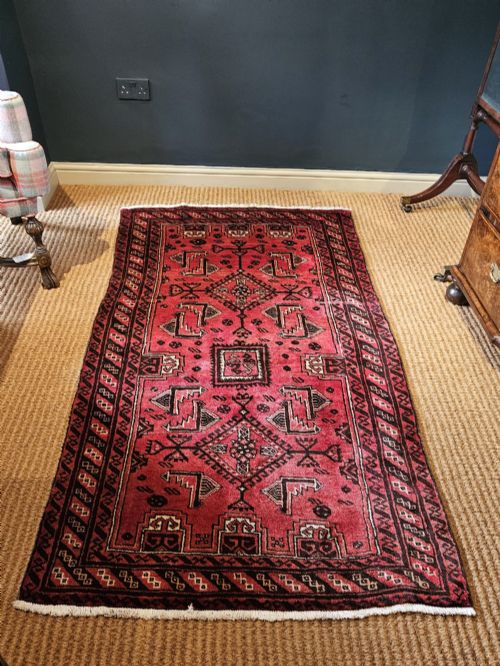
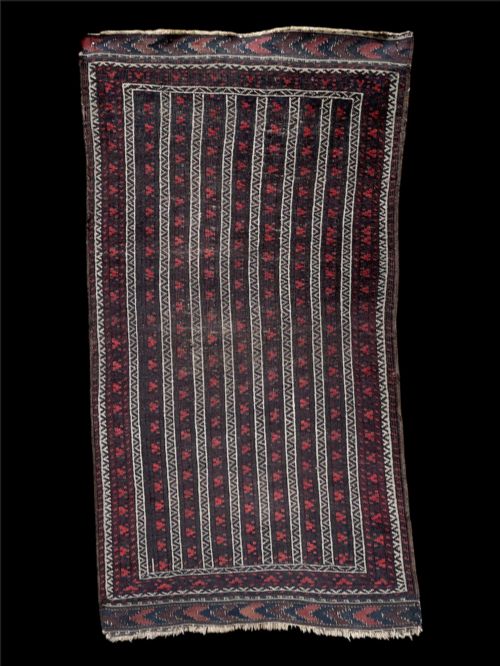
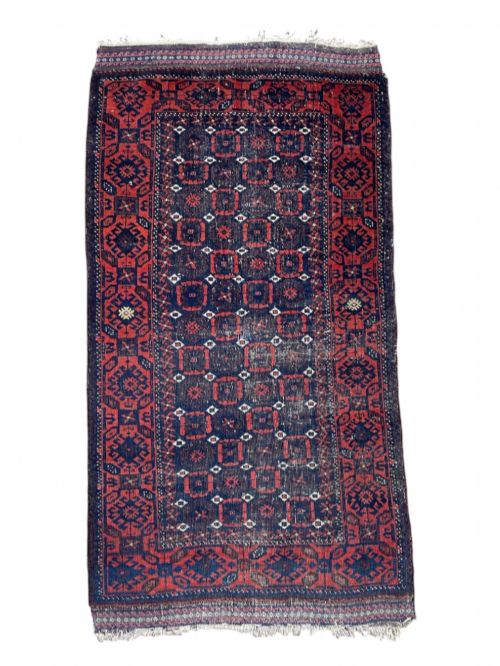
A persian baluch runner brings tribal hand-woven texture and rich saturated tones into a hallway or narrow space.

Persian Baluch Runner
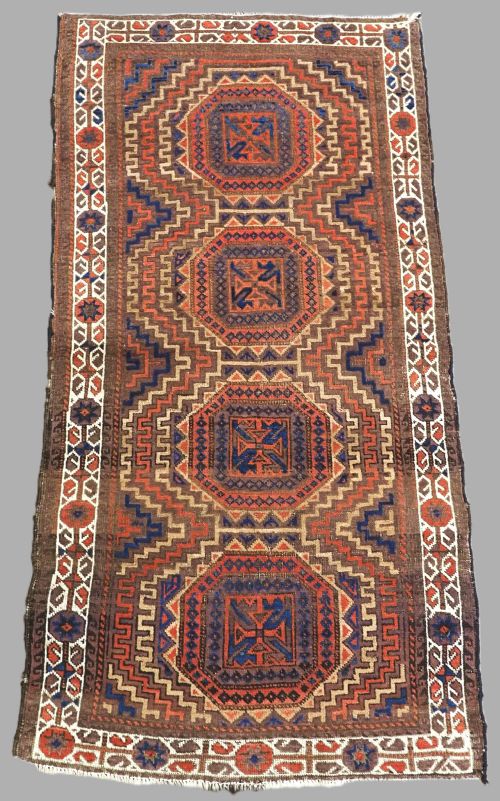
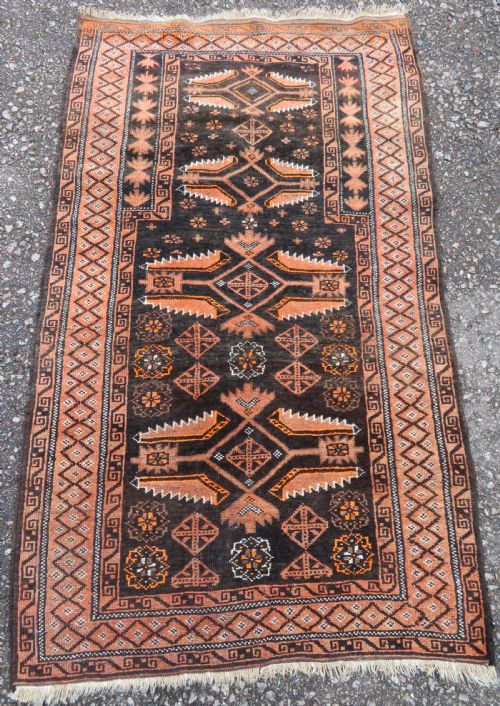
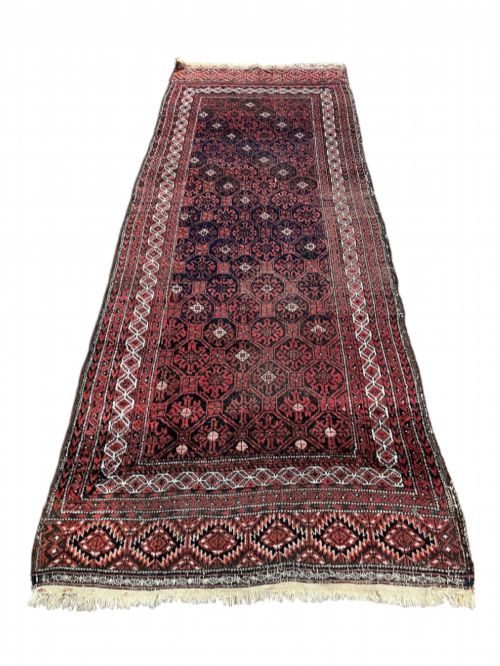
When searching for a persian baluch runner, a buyer encounters elongated tribal carpets traditionally woven by nomadic and village weavers across the borderlands of Persia and Afghanistan. These pieces display distinct cultural patterns such as large guls, prayer mihrabs, latch hook medallions, and intricate lattice motifs.
The format most commonly met on this page is the antique runner or long format rug, frequently dating from the nineteenth and early twentieth centuries. Surviving examples often incorporate regional tribal identifiers such as Mushwani, Timuri, or Salar Khani in their design structures.
These textiles serve primarily as narrow floor coverings, utilising durable wool foundations suited for high-traffic corridors. Their distinctive visual character stems from deep, earthy palettes and symbolic tribal iconography passed down through generations of weavers.
What varies in quality
The fineness of the knotting and the tightness of the weave separate exceptional examples from standard village production. A denser knot count allows for sharper definition in intricate motifs like the Mina Khani or Kalam Donneh designs.
The integrity and depth of the natural dyes greatly influence the visual impact of a runner. Superior pieces display vibrant, harmonious colour saturation that retains its complexity across the entire field without muddying.
Materials recorded in current inventory include natural dyes, hand-spun wool, cotton, goat hair, and camel hair.
The Persian Baluch Runner Glossary
- Gul
- A medallion or repeated octagonal motif frequently found in tribal and nomadic weaving. This design element often serves as a primary identifier for specific regional groups.
- Mihrab
- An arch-shaped design element used in prayer rugs to symbolise the direction of Mecca. Weavers position this niche at one end of the field.
- Pushti
- A small mat or face piece, often representing a portable storage bag front or small seat cover. These items share the knotting and design vocabulary of larger carpets.
- Sofreh
- A flatwoven or pile-woven cloth used traditionally for dining or food preparation. These domestic textiles exhibit specialised geometric iconography.
- Latch hook
- A geometric hook motif projecting from the edges of medallions or borders. This recurring tribal symbol adds linear movement to the field design.
Persian Baluch Runner: Frequently Asked Questions
Where were these runners woven?
These runners originate from the tribal and village communities inhabiting the borderlands of Persia and Afghanistan, including regions like Khorassan and Sistan.
Weavers working within nomadic or semi-nomadic groups produced these textiles for domestic use and local trade.
What materials are used in them?
Traditional examples rely principally on hand-spun wool for the soft pile surface that absorbs dye richly.
Foundation threads often incorporate cotton, wool, goat hair, or camel hair to provide structural strength and dimensional stability.
Are these pieces suitable for hallways?
Their narrow proportions and durable construction make them well-suited for hallways, corridors, and transitional spaces.
The sturdy wool pile handles foot traffic while providing historic character to narrow domestic areas.