



1900s Tribal Rug
A 1900s tribal rug brings hand-knotted nomadic warmth into a room through rich natural dyes and traditional regional motifs.
1900s Tribal Rug
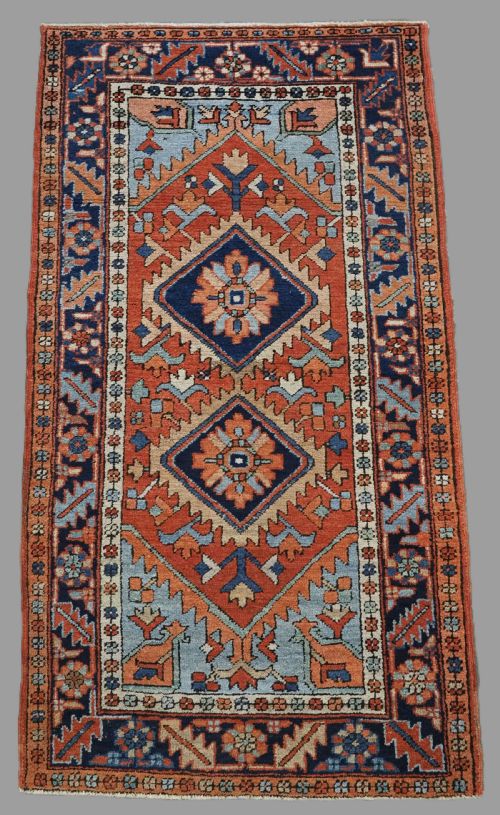
A 1900s tribal rug encompasses hand-knotted carpets, runners, prayer mats, and utilitarian household bags made by nomadic and village weavers across Central Asia, Persia, and the Caucasus around the turn of the twentieth century. These textiles served practical purposes in pastoral camps before entering the decorative market.
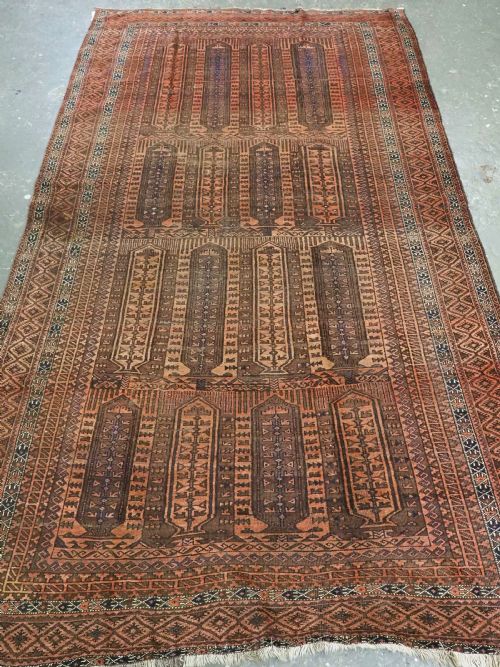
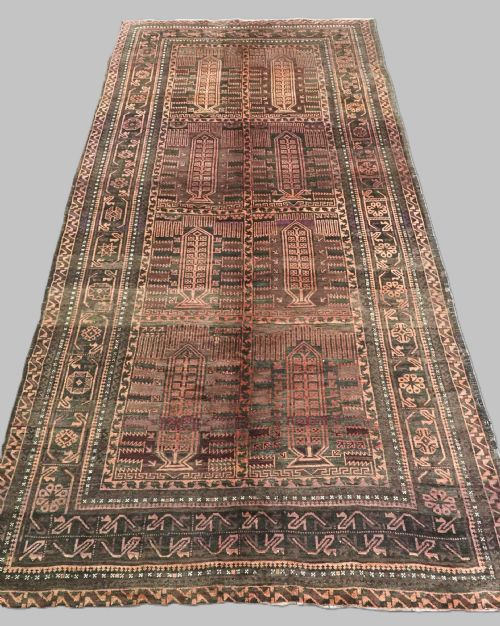
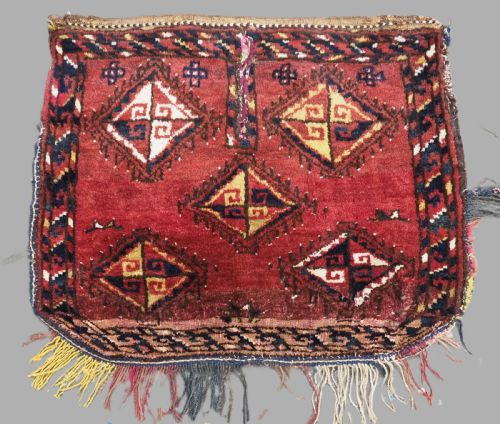
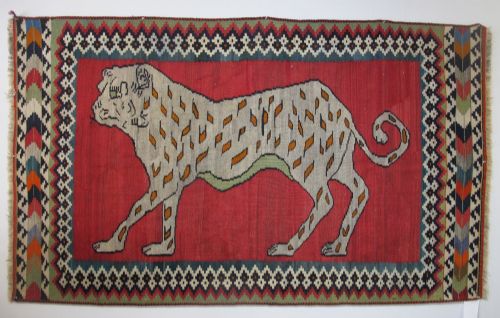
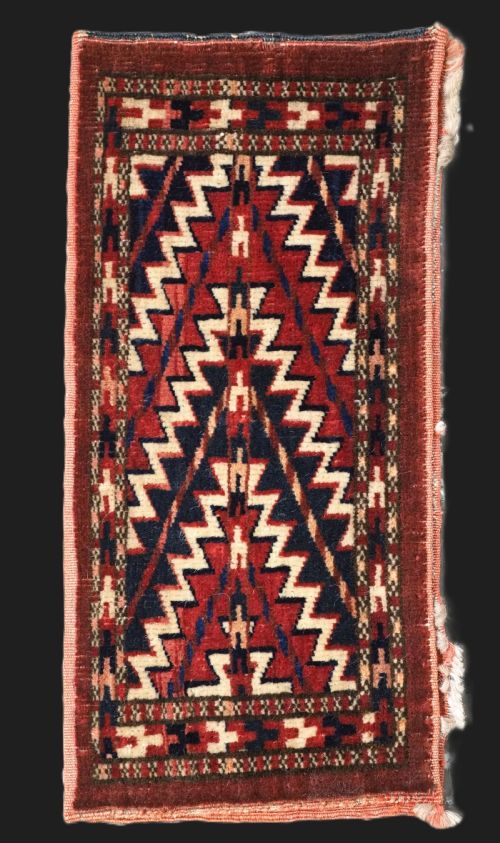
The pieces on this page heavily represent Baluch, Turkmen, and Caucasian traditions, alongside Qashqai and Kurdish village weaving. Buyers encounter formats ranging from small saddle bags and torba faces to room-sized main carpets and narrow runners.
Many items display specific tribal patterns such as guls, mihrabs, and boteh motifs rooted in regional identity. The aesthetic reflects the cultural heritage of weavers working just before synthetic dyes became dominant.
Materials and construction
Weavers relied primarily on wool, hand-spun wool, cotton foundations, and occasionally camel hair, goat hair, or silk for specific embroidered details like suzanis. Natural dyes provided the deep reds, aubergine grounds, and ivory tones seen across the inventory.
Construction involved dense pile knotting on wool or cotton warps, alongside flatwoven kilim structures and patterned weft work used for utilitarian saddle bags. The handling of these materials dictates the tactile weight and drape of each textile.
Listings span wool, cotton, silk, and natural dye materials originating from Persian, Caucasian, and Central Asian tribal regions.
Assessing quality and weave
Quality rests on the density of the weave, the handling of the wool, and the depth achieved by natural dyeing methods. Finer knots permit crisper execution of geometric medallions and detailed repeat patterns.
The integrity of the original edges, complete tribal borders, and the survival of secondary structures like plain weave backs or closure systems distinguish superior examples. Colour saturation and the harmony of the palette also guide the evaluation.
The 1900s Tribal Rug Glossary
- Gul
- A primary octagonal or stamped medallion motif frequently repeated across Turkmen and Baluch carpets. These motifs often identify the specific clan or tribe that produced the weaving.
- Mihrab
- An arched design element derived from Islamic architectural prayer niches, defining the orientation of prayer rugs. It directs the user during daily devotions.
- Torba
- A small wall-hanging bag or storage sack produced by Turkmen tribes for domestic utility within a yurt. They display careful face designs while utilising plain weave backs.
- Boteh
- A pear-shaped or almond-like motif with a curved upper end, commonly repeated across Caucasian and Persian runner designs. It represents a stylized leaf or floral spray.
- Kilim
- A flatwoven textile produced without a pile by tightly interweaving warp and weft strands. These function as rugs, covers, or saddle components.
1900s Tribal Rug: Frequently Asked Questions
How do I identify a Baluch rug?
Baluch rugs from the early twentieth century typically feature darker palettes of aubergine, deep red, and midnight blue, often incorporating box medallions, prayer mihrabs, or pencil box designs. Their wool has a characteristic dense handle.
Makers in the borderlands between Afghanistan and Persia utilised distinctive geometric vocabularies that separate them from larger Persian city carpets.
What is the difference between a main carpet and a bag face?
Main carpets were large floor coverings meant for domestic gathering spaces or room-sized deployment. Bag faces are smaller decorative fragments cut or preserved from functional nomadic storage sacks.
While carpets served foot traffic, bag faces display concentrated knotting and specific tribal emblems meant for display inside a tent.
How should I care for a vintage wool rug?
Vacuum these textiles gently with a suction-only attachment, avoiding rotating bristle brushes that can pull historical wool fibres. Keep them out of direct sunlight to protect natural dye saturation.
Professional specialist cleaning is recommended when dirt accumulates within the foundation structure.
Are these rugs made with natural dyes?
The pieces from this era frequently predate the widespread adoption of synthetic aniline dyes, relying instead on plant and insect sources for colour. This produces a mellow, varied tone that matures gracefully over time.
Subtle colour variations within a single field often indicate natural dyeing and hand-spun batch processing.