
18th Century Worcester Ceramic
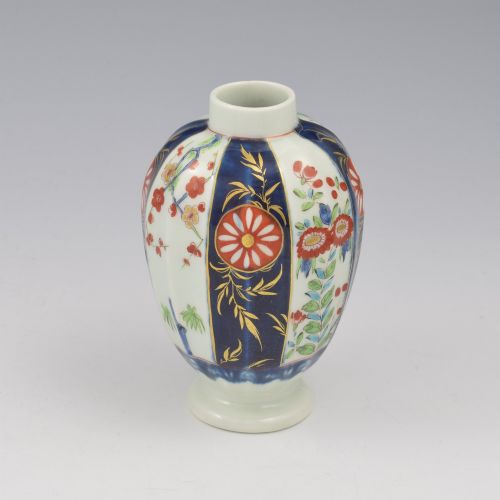
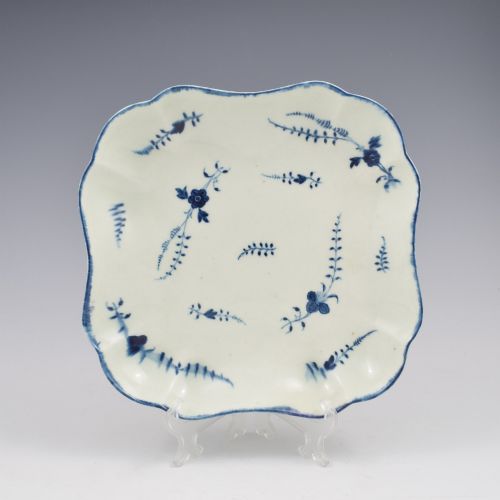
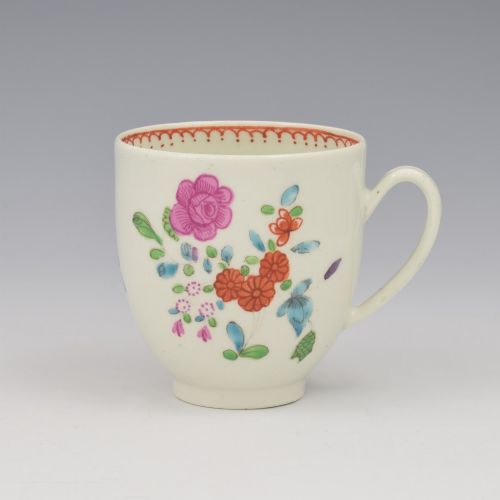
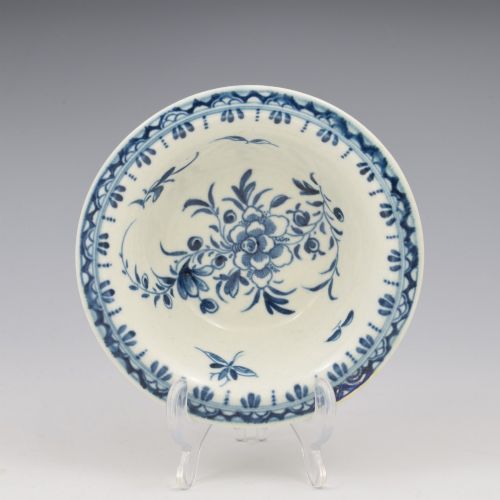
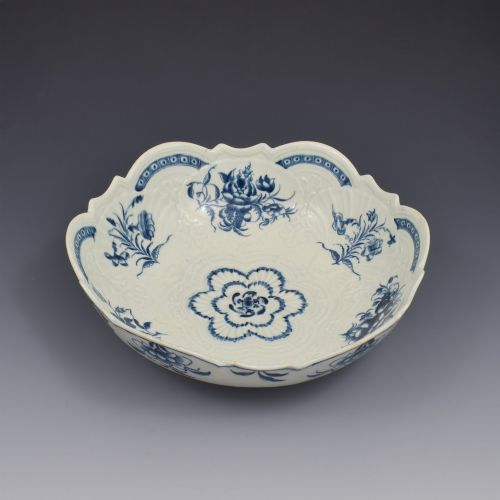
These pieces of 18th century worcester ceramic are early English soft-paste porcelain tea wares and tableware designed for the Georgian table.
18th Century Worcester Ceramic
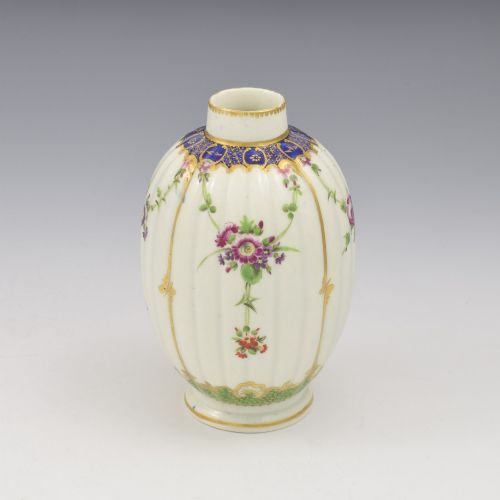
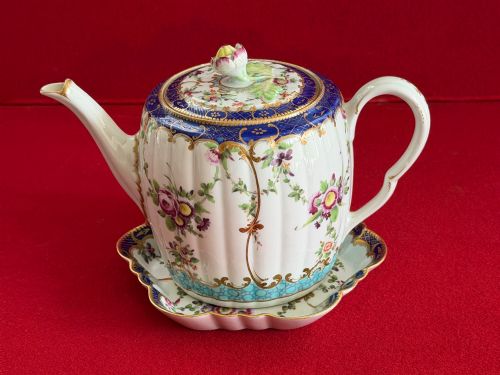
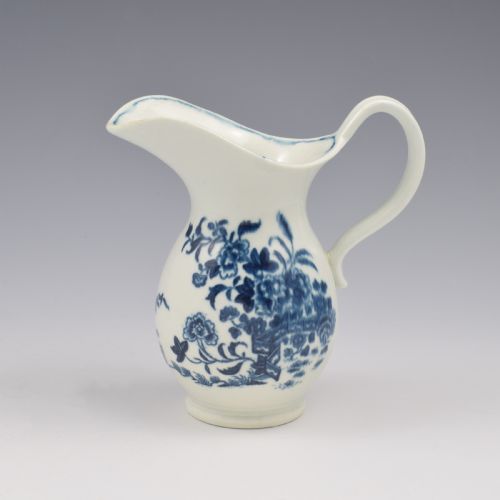
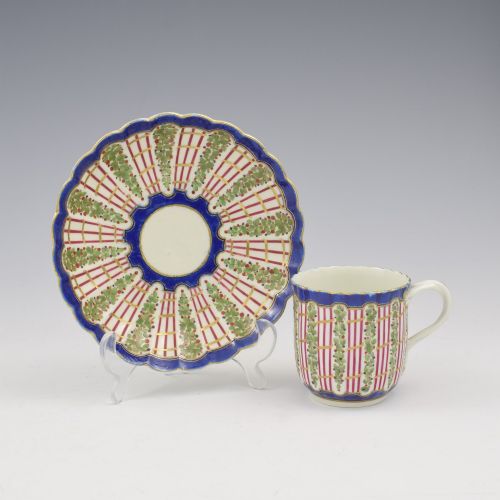
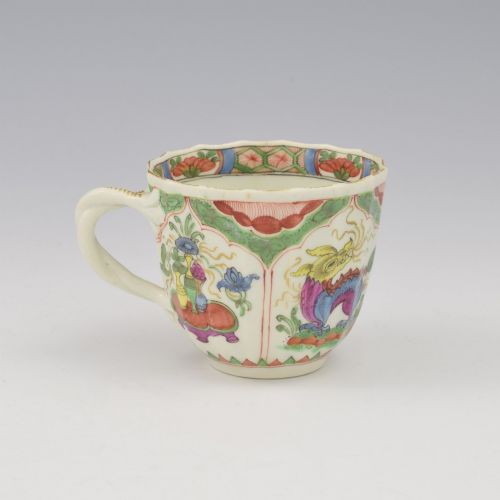
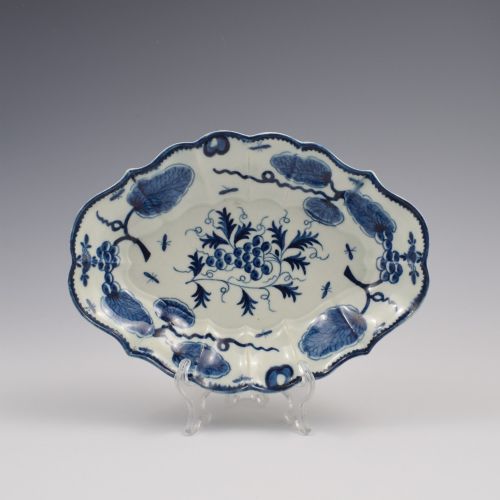
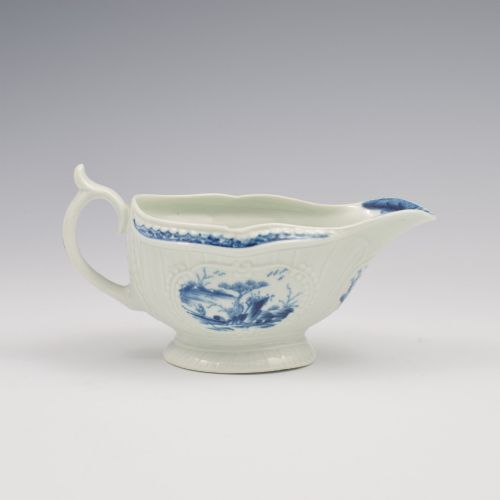
A buyer examining 18th century worcester ceramic encounters functional forms shaped for tea, coffee, and dining, including teapots, milk jugs, coffee cups, sauce boats, and decorative dessert dishes. The pieces span periods from the 1750s through the Georgian era, frequently attributed to the Dr Wall or First Period.
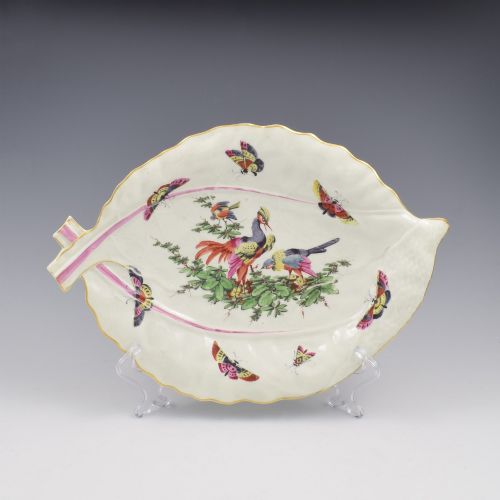
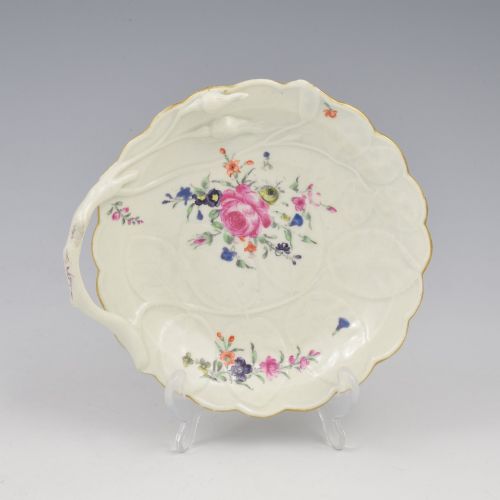
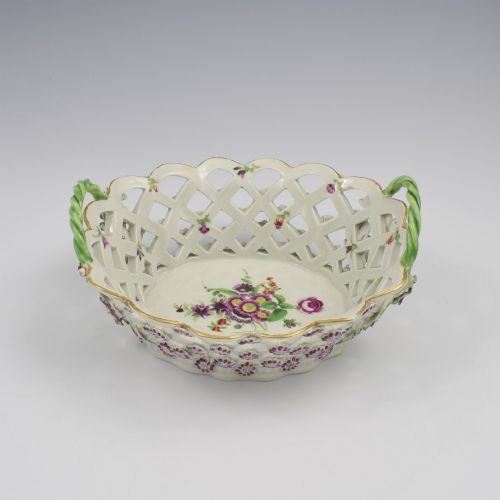
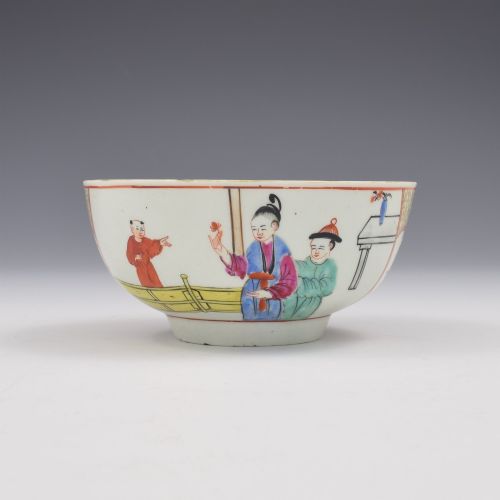
Forms range from small pickle leaf dishes and shell sweetmeat stands to larger punch bowls, mugs, and chestnut baskets. Chinoiserie motifs, floral sprays, and scale blue grounds dominate the decorative vocabulary across tea bowls, saucers, and sucriers.
Materials and methods
Makers shaped these items using soft-paste porcelain bodies combined with glazes and cobalt glaze for underglaze blue decoration. Enamel colours and gilding or gold leaf were subsequently applied over the glaze and fired again in kilns.
Hand-painting, transfer printing, and moulding created the fluted surfaces, wickerwork baskets, and leaf shapes seen on dessert dishes and sauce boats. Potters utilised specialist pastes that required careful kiln management to prevent warping during firing.
18th Century Worcester Ceramic Retail Price Guide 2026
Typical asking prices for 18th century worcester ceramic among the pieces listed under this phrase on Sellingantiques today, from the lower quarter to the upper quarter. They describe what is for sale here now, not the wider market.
Pickle leaves moulded into tiny vegetable shapes allowed Georgian diners to pass condiments across the table disguised as garden foliage.
Assessments of quality
Excellence in these ceramics rests upon the crispness of the moulded relief and the precision of the hand-painted or transfer-printed decoration. Pieces with carefully controlled cobalt blue painting or detailed polychrome enamelling show superior craftsmanship.
The smoothness of the glaze and the clarity of the porcelain body distinguish finer examples from standard wares. Well-balanced forms and clean potting without excessive kiln distortion mark the upper range of production.
Dr Wall·Flight And Barr·Chamberlain Worcester
The 18th Century Worcester Ceramic Glossary
- Soft-paste porcelain
- A ceramic composition containing glass frit and white clay, fired at lower temperatures than hard-paste porcelain. It produced a warm, creamy body beneath the glaze.
- Chinoiserie
- European artistic styles reflecting Chinese motifs and figures, frequently hand-painted on tea wares and tableware. It became especially popular during the Georgian period.
- Sweetmeat dish
- A small moulded dish or stand designed for holding confectionery, nuts, or preserved fruits at dessert. They often took the form of scallop shells or overlapping leaves.
- Sauce boat
- A small vessel with a spout and handle used for serving gravies or sauces at the table. Many featured moulded relief work and painted landscape scenes.
- Sucrier
- A covered container designed to hold sugar for tea or coffee service. These vessels frequently matched the tea bowls and teapots in pattern and form.
18th Century Worcester Ceramic: Frequently Asked Questions
What are 18th century worcester ceramic items?
These items are domestic porcelain vessels and tableware produced in Worcester during the 18th century. They include functional tea wares, coffee cups, jugs, and decorative dishes.
Most pieces belong to the First Period or Dr Wall era, showcasing hand-painted cobalt blue designs, transfer printing, and polychrome enamels.
How were these ceramics used originally?
Original use centred on the fashionable consumption of tea and coffee, as well as serving courses during formal Georgian meals. Teapots, tea bowls, coffee cups, and slop bowls formed standard tea service sets.
Larger vessels like punch bowls, chestnut baskets, and sauce boats served guests during dining and entertaining in wealthy households.
How do I live with soft-paste porcelain?
Living with these ceramics involves gentle handling and display away from direct sunlight and heavy knocks. Soft-paste porcelain is more porous and fragile than modern hard porcelain.
Displaying pieces in cabinets or on stable surfaces protects the enamel colours, gilding, and delicate handles from accidental damage.
How do I tell different periods apart?
Periods are identified through paste characteristics, decorating styles, and factory marks associated with specific eras like the First Period or Flight and Barr. Early pieces often feature painted worker marks and specific blue-and-white or Chinoiserie patterns.
Later items show changes in paste composition, gilding techniques, and standard factory stamps corresponding to the turn of the 19th century.