
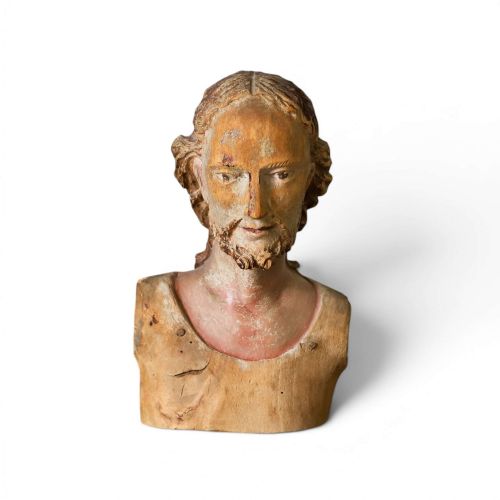
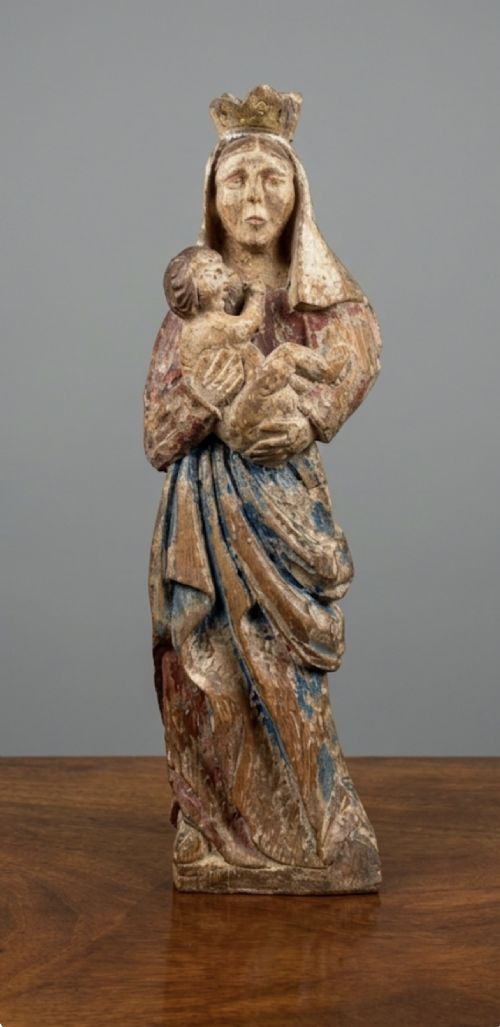
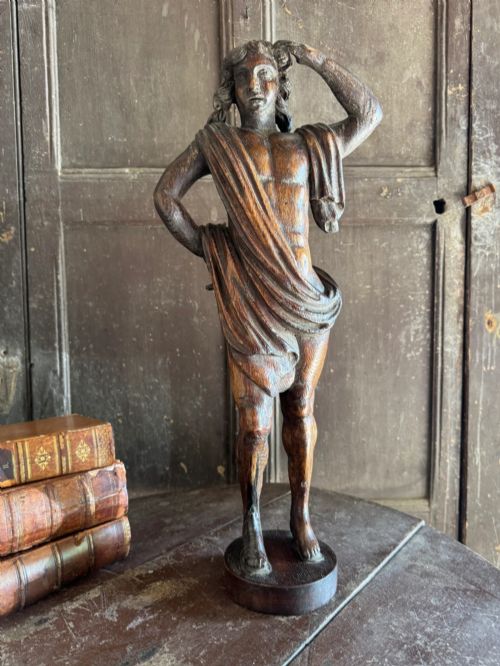
18th Century Wooden Figure
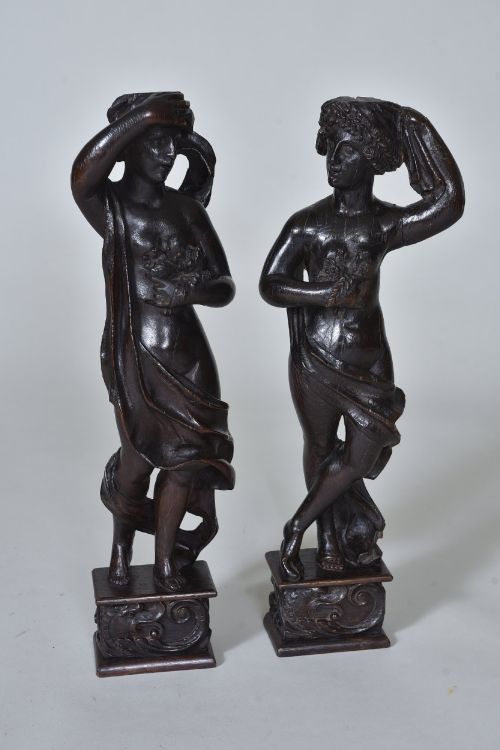
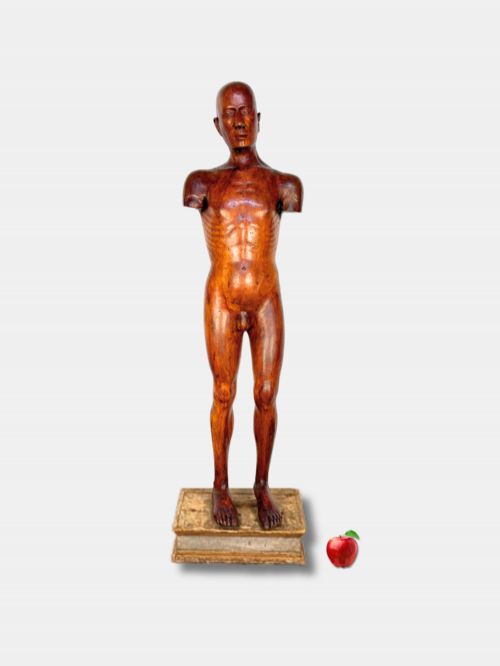
An 18th century wooden figure brings centuries of devotional and secular craftsmanship into a room, offering tactile presence through hand-carved grain and historic pigment.
18th Century Wooden Figure
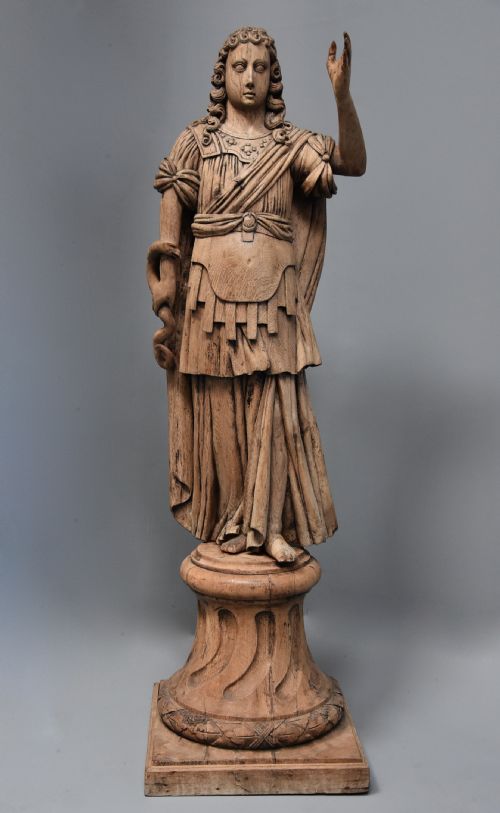
When you search for an 18th century wooden figure, you encounter carved representations of saints, religious figures, and secular subjects originating from various European regions including Italy, Spain, and Germany. These pieces range from intimate domestic devotional carvings to life-size church sculptures mounted on plinths.
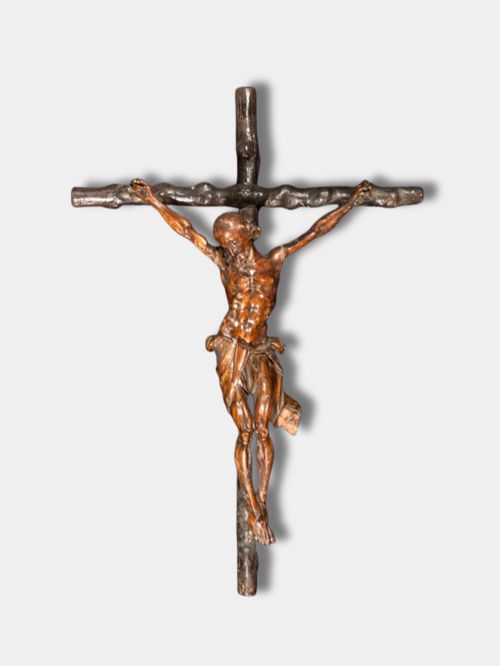
The selections on this page encompass diverse stylistic expressions such as Baroque, folk art, and classical traditions. Alongside religious icons like the Madonna, saints, and representations of Christ, you find lay figures, mythological deities, and naive carvings.
How they were made
Carvers shaped these figures from timbers suited to intricate detail and structural stability, utilising oak, walnut, lime wood, boxwood, and olive wood. Master craftsmen employed chisels and gouges to carve the grain directly from solid blocks or joined sections.
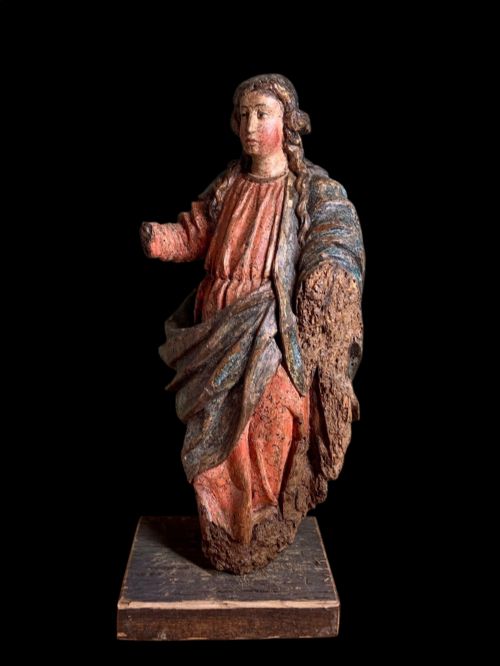
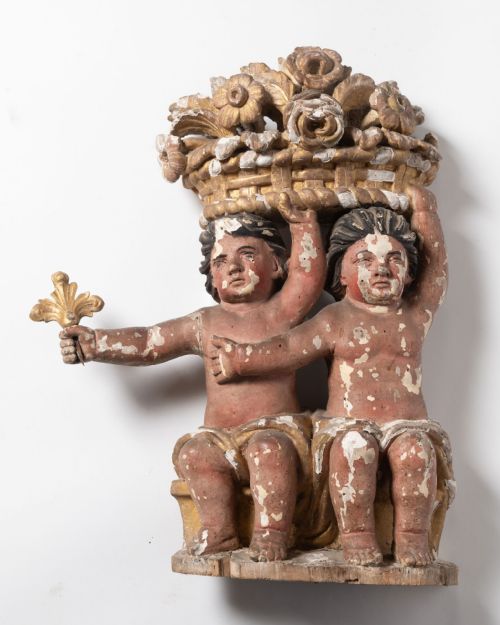
Many surfaces received preparation layers of gesso before painters applied polychrome pigments and gilt decoration to render lifelike flesh tones and textile patterns. Some figures retain their original paint schemes, whilst others display bare wood exposed by centuries of handling and cleaning.
Listings feature woods including oak, walnut, mahogany, gesso, boxwood, lime wood, olive wood, and elm.
What varies in quality
The standard of carving distinguishes exceptional work from simpler vernacular pieces, visible in the anatomical articulation of hands, drapery folds, and facial expression. Finer examples display confident undercutting and expressive depth that capture movement and emotion.
The preservation of original surface finishes, including polychrome paint and gilding, alters the character and integrity of a piece. Intact historic pigments elevate the historical significance compared to surfaces stripped to bare timber or heavily repainted in later eras.
Simon Troger·Francois-pierre Guillois·William Tate
The 18th Century Wooden Figure Glossary
- Polychrome
- Decorated in multiple colours. This term describes statues and carvings finished with painted pigments and gilding.
- Santos
- A carved figure representing a saint or divine personage. These figures often stood in churches or domestic shrines across Spain and Italy.
- Gesso
- A plaster mixture applied to wood as a base for paint. Craftsmen used it to smooth surfaces before applying polychrome decoration.
- Baroque
- An ornate artistic style prevalent during the seventeenth and eighteenth centuries. It emphasises dynamic movement, dramatic emotion, and theatrical drapery.
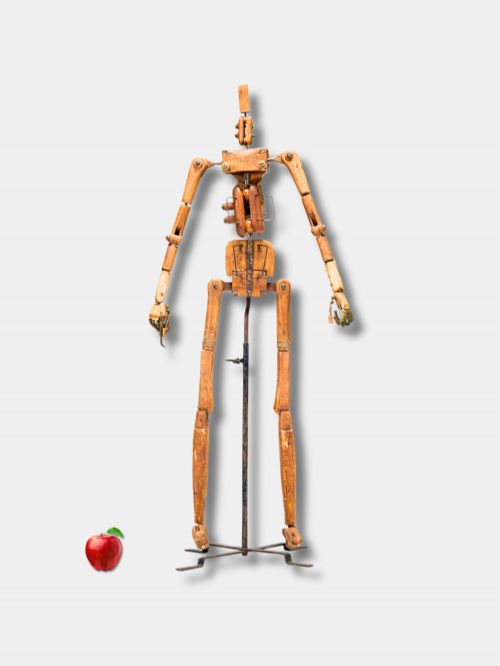
- Lay figure
- An articulated wooden mannequin used by artists to study drapery and posture. These life-size models feature jointed limbs pinned with wooden pegs.
18th Century Wooden Figure: Frequently Asked Questions
Why do some figures have painted surfaces?
Polychrome decoration was applied to make religious sculptures appear lifelike and devotional. Painters used gesso grounds to bind pigments representing garments, hair, and flesh tones.
Over the centuries, many surfaces suffered wear, flaking, or later overpainting. Surviving original pigment layers provide vital evidence of period aesthetic choices.
Where were these statues displayed originally?
Figures served devotional functions in churches, private chapels, and domestic households. Larger statues stood on plinths or within architectural niches during religious processions and services.
Smaller carvings functioned as private focuses for prayer or served as artist studio models. Their current placement in modern interiors continues a long tradition of display.
How can I tell the geographic origin?
Stylistic traits and timber choices often point to specific European regions such as Spain, Italy, or Germany. Spanish and Italian pieces frequently exhibit theatrical Baroque emotion and elaborate polychrome finishes.
German and Alpine workshops often utilised lime wood or boxwood for precise, expressive detailing. Comparative analysis of carving techniques helps narrow down the probable provenance.