





Carved Wooden Effigy
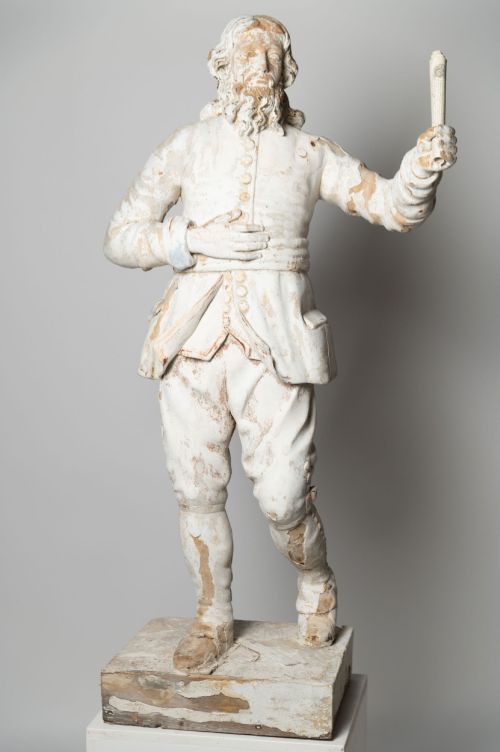
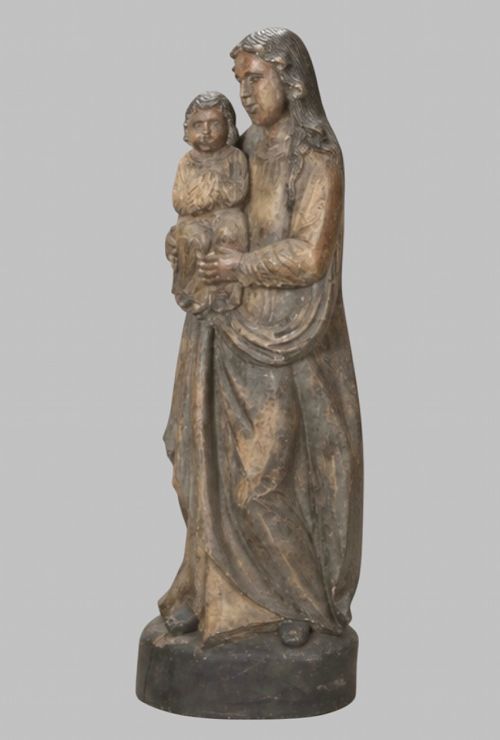
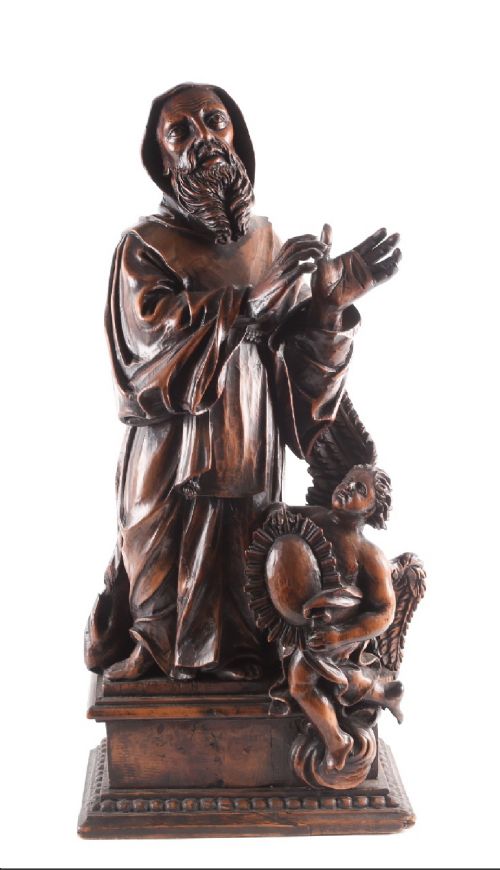
A carved wooden effigy brings centuries of devotional and secular sculpture into a room, offering tactile presence through hand-carved timber.
Carved Wooden Effigy
When you search for a carved wooden effigy, you encounter sculptural works spanning multiple centuries, from devotional saints and angels to folk art figures and ritual guardian heads. These objects capture human and divine forms through traditional hand-carving, originating from European workshops, African tribal traditions, and Himalayan regions.
On this page, you are most likely to meet figures carved during the nineteenth and eighteenth centuries, alongside earlier sixteenth and seventeenth-century fragments and devotional pieces. The selection ranges from lifesize animal sculptures and demon masks to religious busts and female figures bearing symbolic attributes.
The styles represented reflect distinct cultural epochs, encompassing South German Baroque, French Renaissance, Gothic Revival, and diverse folk art traditions. Each piece embodies the aesthetic priorities of its maker and period, utilising regional carving techniques and specific timber varieties.
How they were made
The creation of these works relies on direct carving into various woods such as oak, walnut, lindenwood, and general timber. Craftsmen utilised hand chisels and gouges to shape the raw material, leaving tool marks that reveal the rhythm of the maker's hand.
Surface treatment frequently involves applied paint, polychrome decoration, or natural patination developed over centuries of handling and exposure. Some pieces incorporate metal or marble elements, augmenting the primary wooden structure with contrasting textures.
Represented forms range from sixteenth-century French Renaissance fragments to early twentieth-century folk art and tribal guardian heads.
What varies in quality
The distinction between standard works and exceptional examples lies in the anatomical confidence and expressive depth of the carving. Superior pieces demonstrate a nuanced understanding of drapery, musculature, and facial expression, whereas lesser works remain stiff and formulaic.
Preservation of the original surface finish and structural integrity heavily influences the standing of a piece. Retained polychrome pigment, untouched historic patina, and minimal intervention separate museum-quality survivals from heavily restored or stripped examples.
The Carved Wooden Effigy Glossary
- Polychrome
- Painted in several colours. This surface treatment is frequently found on historic religious figures to enhance lifelike qualities.
- Reliquary
- A container or guardian figure for holy relics. In tribal and devotional contexts, these pieces protect sacred contents.
- Lindenwood
- A pale timber favoured by European carvers. Its fine, even grain allows for intricate detail work without splitting.
- Folk art
- Utilitarian or decorative objects made by self-taught or traditional artisans. These pieces prioritise expressive directness over academic convention.
- Baroque
- An ornate artistic style prevalent from the seventeenth to mid-eighteenth century. It is characterised by dynamic movement and dramatic emotional intensity.
Carved Wooden Effigy: Frequently Asked Questions
How should I display a wooden effigy?
Position your sculpture away from direct sunlight and heat sources to prevent the timber from drying out and splitting over time.
Ensure the mounting is stable, as many historic figures were originally designed to rest in architectural niches or on altars rather than freestanding surfaces.
How do I identify the period of a carved figure?
Examine the tool marks left by the carver, the style of the drapery, and the species of wood used, as these factors align closely with specific historical eras.
Compare the surface patination and wear patterns with documented examples from similar European or tribal traditions to narrow down the date.
Are these figures treated for woodworm?
Most antique wooden items have encountered historic woodworm activity, which is standard for organic materials of considerable age.
Check that any insect activity is completely inactive and that the structural core of the timber remains sound and stable.
What is the difference between religious and secular carvings?
Religious carvings typically depict saints, madonnas, or biblical scenes intended for private devotion or church placement, carrying specific iconographic symbols.
Secular pieces include folk art figures, animal sculptures, and decorative masks created for cultural rituals or domestic display without sacred intent.