


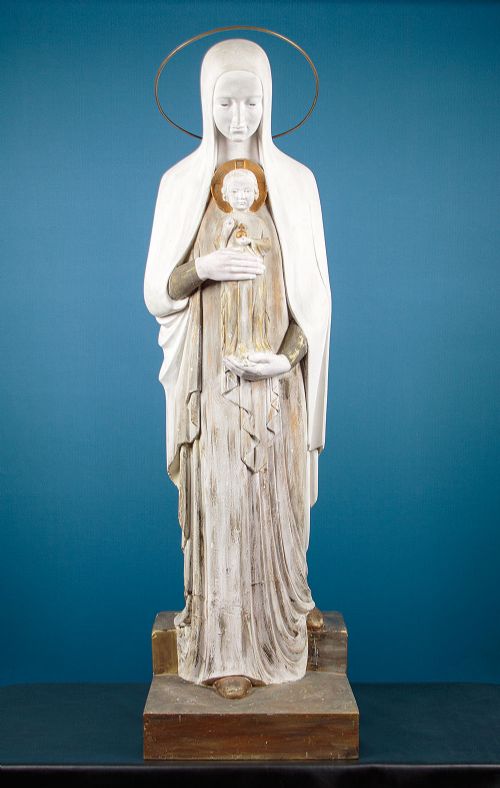


Antique Christ Statue
An antique christ statue brings quiet devotion into a room, carved from wood or cast in metal to mark centuries of faith.
Antique Christ Statue
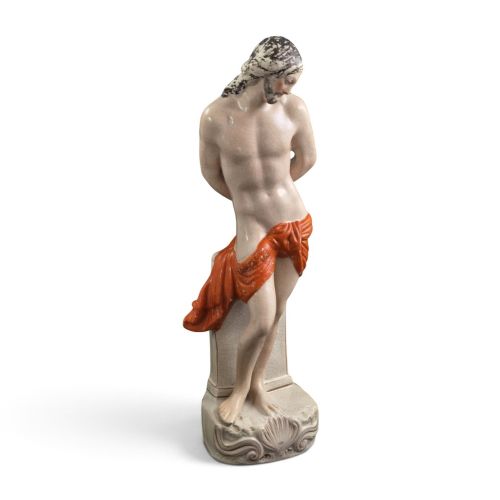
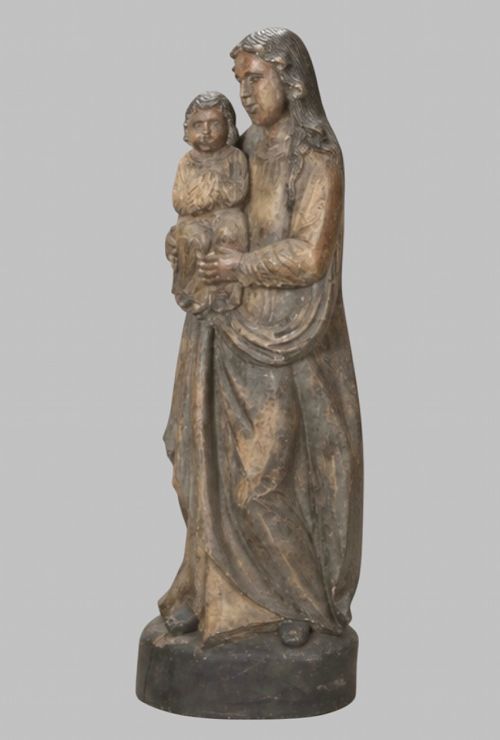
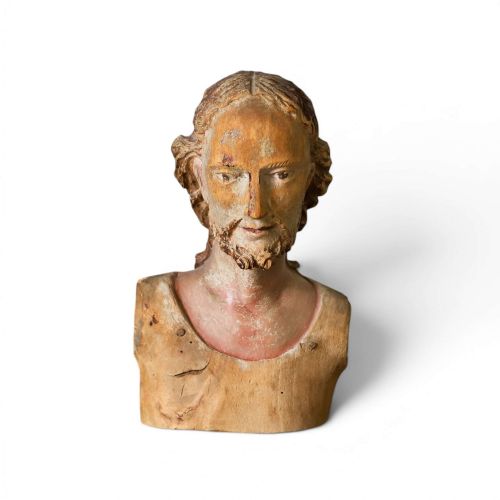
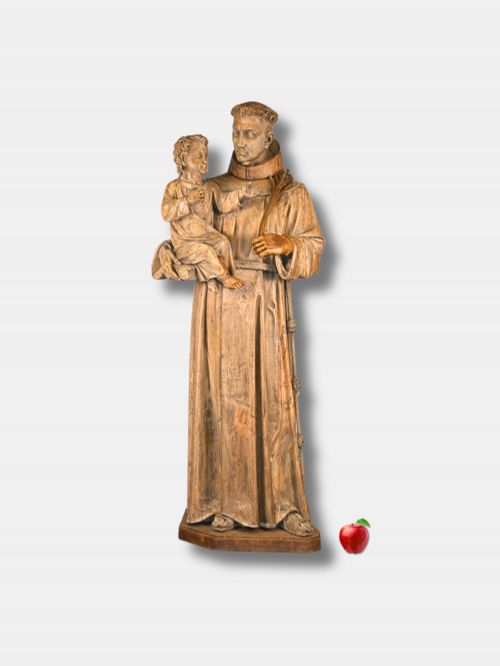
An antique christ statue takes many devotional forms, ranging from solitary carved heads and sorrowful figures to the infant child holding an orb. You will encounter standing figures, wall-mounted corpus Christi sculptures, and larger life-size works originating from workshops across Europe.
The materials span centuries of craftsmanship, connecting the viewer directly to historic ecclesiastical spaces. Earthenware, gesso, and cast bronze sit alongside carved lindenwood, olive wood, fruitwood, and pine, often finished with polychrome paint.
Regional styles shape these sculptures distinctly, carrying the ornate weight of Italian, South German, and Spanish Baroque traditions as well as later Gothic Revival and Victorian interpretations. Each piece reflects the aesthetic priorities and religious gravity of its period and origin.
Materials and Working Methods
Carvers shaped solid blocks of timber such as lindenwood, fruitwood, and pine using chisels and gouges to build expressive drapery and anatomical depth. Many wooden surfaces received a preparatory layer of gesso before painters applied polychrome pigments and gilt detailing.
Foundries utilised metal casting techniques to produce patinated bronze busts and corpus Christi figures designed for endurance. Earthenware examples required specialised glazing and kiln firing, followed by hand-painted surface decoration characteristic of nineteenth-century Staffordshire potteries.
Some infant figures hold a solitary orb in tiny carved hands, quietly commanding the entire room with miniature authority.
Judging Quality and Execution
The mastery of the carver or modeller dictates the success of the piece, evident in the natural fall of cloth and the sensitive modelling of the hands and face. Superior examples reveal confident toolwork and emotional resonance rather than mechanical stiffness.
Surface preservation significantly influences the standing of a sculpture, particularly where original polychrome or patination remains intact beneath centuries of handling. Retaining authentic historic finishes provides direct insight into the original devotional context.
George Kemper
The Antique Christ Statue Glossary
- Polychrome
- Painted in several colours. This surface treatment was traditionally applied over wood or gesso to heighten the realism of religious sculptures.
- Corpus Christi
- The body of Jesus Christ depicted on a cross. These figures are typically carved from wood or cast in metal for wall mounting.
- Gesso
- A plaster mixture applied as a smooth base for painting or gilding. It allowed carvers to achieve fine surface details on wooden sculptures.
- Lindenwood
- A pale timber favoured by European carvers for its fine, even grain. It permits intricate undercutting without splitting.
- Baroque
- An artistic style characterised by dramatic movement and emotional intensity. This aesthetic defines many seventeenth- and eighteenth-century ecclesiastical carvings.
Antique Christ Statue: Frequently Asked Questions
What is a corpus christi?
A corpus christi is a sculptural representation of the body of Jesus Christ, historically designed to be mounted upon a cross in a church or chapel setting.
These pieces focus entirely on the figure itself, often stripped of the cross over time, and appear in materials ranging from carved fruitwood to patinated bronze.
How do I date a wooden statue?
Dating relies on tool marks, timber selection, and stylistic clues inherent to the carving methods of specific centuries. Examining the underlying gesso and pigment layers also helps determine age.
Early works from the seventeenth century often display distinct hand-鑿 techniques and heavier regional stylistic traits compared to later nineteenth-century revivals.
Where were these statues displayed?
These sculptures served primarily as focal points for private devotion in homes or public veneration in ecclesiastical buildings. Smaller figures were kept in personal shrines, while life-size statues occupied prominent positions in churches.
Their physical scale and finish usually dictated whether they were intended for intimate contemplation or architectural impact.
How do I care for antique wood?
Antique wooden sculptures require stable environmental conditions away from direct sunlight and sudden temperature shifts. Excessive dryness causes timber to split, while moisture threatens historic polychrome surfaces.
Dusting gently with a soft, dry brush is generally sufficient for maintenance, avoiding modern polishes or cleaning agents entirely.