

18th Century Upholstered Armchair
An 18th century upholstered armchair brings structural elegance and historic comfort to a room, offering tactile seating shaped by Georgian and continental design.
18th Century Upholstered Armchair
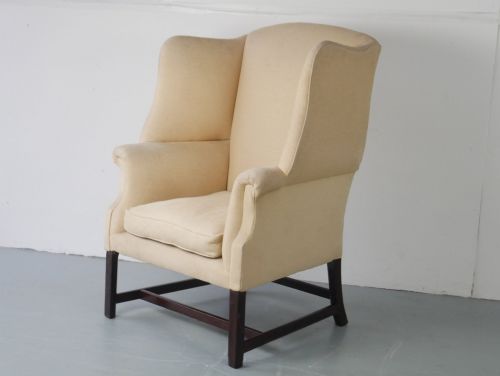
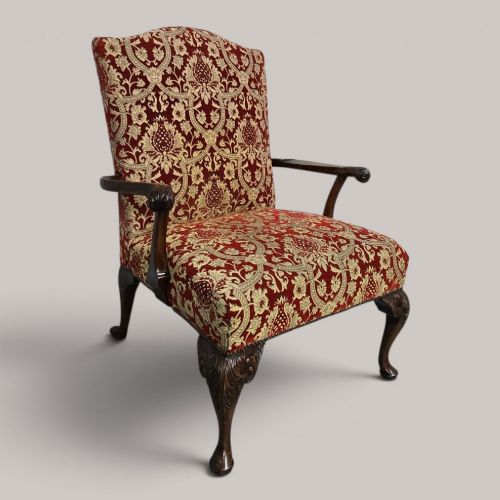
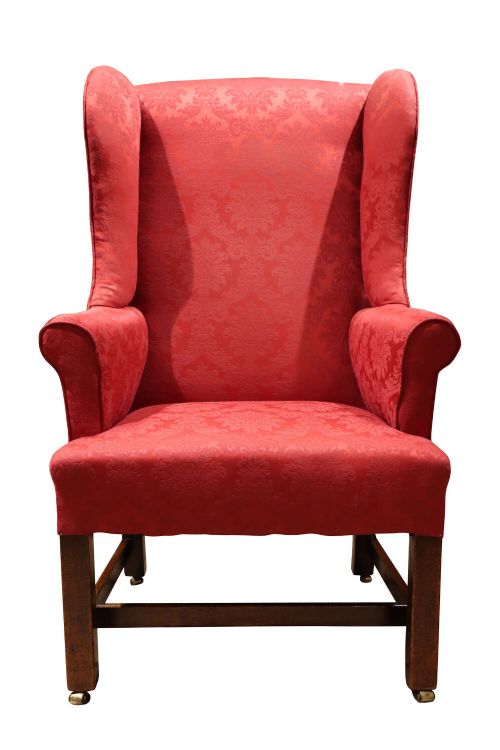
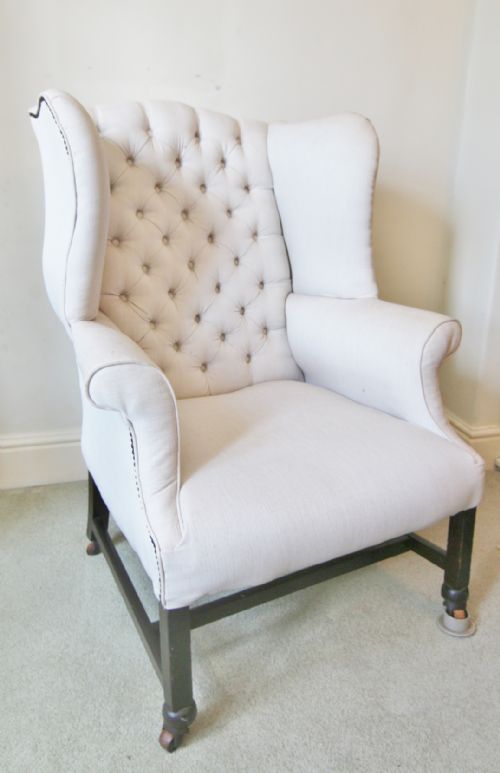
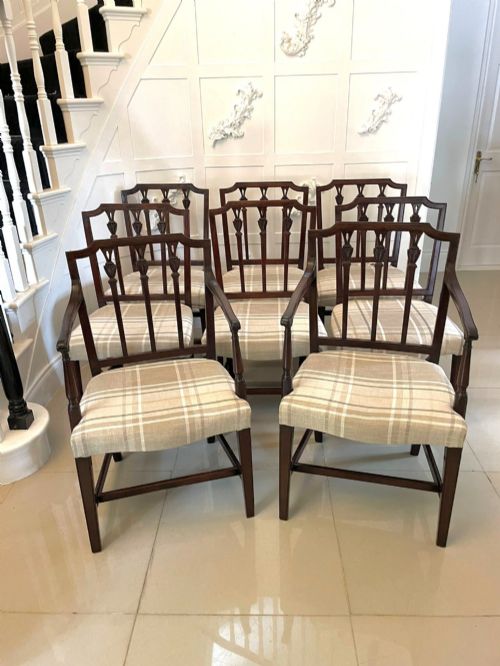
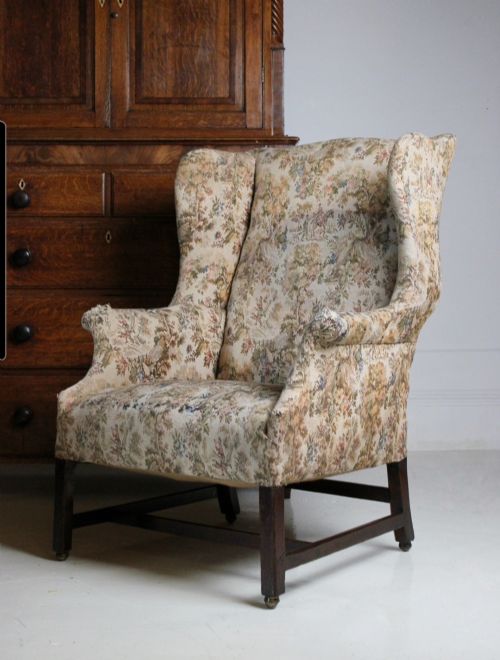
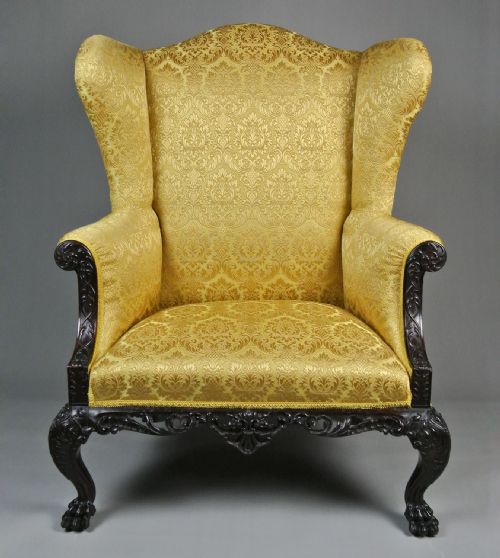
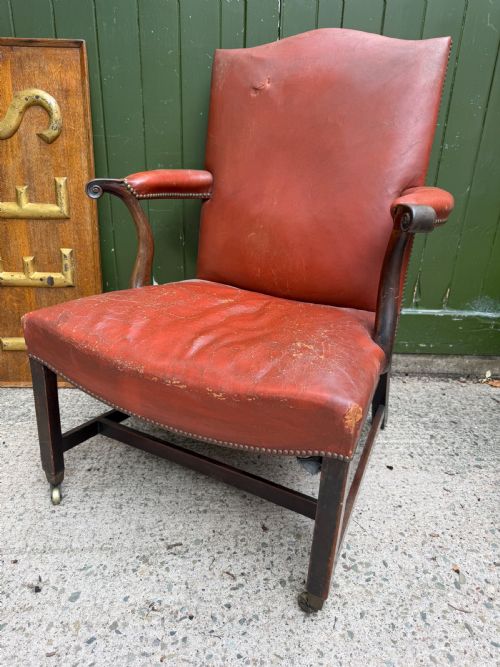
When searching for an 18th century upholstered armchair, buyers encounter distinct seating forms including high-backed wing chairs designed to block draughts, compact library armchairs like the Gainsborough, and open-framed elbow chairs suited for desks and salons. These pieces originate predominantly from the Georgian period alongside French provincial workshops, spanning designs from early walnut iterations to later mahogany and satinwood creations.
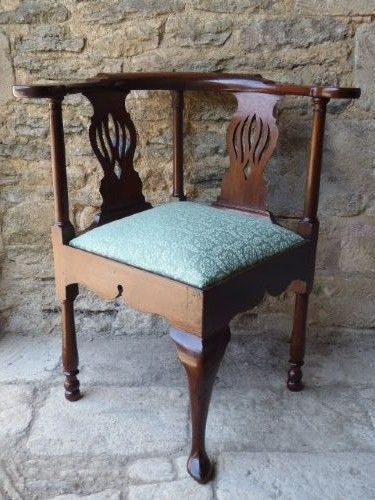
The selection on this page centres heavily on British mahogany and walnut frames, supplemented by French walnut, oak, and giltwood pieces. Buyers will also find specialised variants such as corner chairs, dining chairs, and over-scaled library seats, demonstrating the diverse domestic functions these chairs served during the 1700s.
Materials and construction
Frames are constructed primarily from dense timbers such as mahogany and walnut, though oak and painted or gilt woods also appear. Joinery relied on traditional mortise and tenon techniques, often reinforced with carved detailing along the arm supports, rails, and cabriole legs.
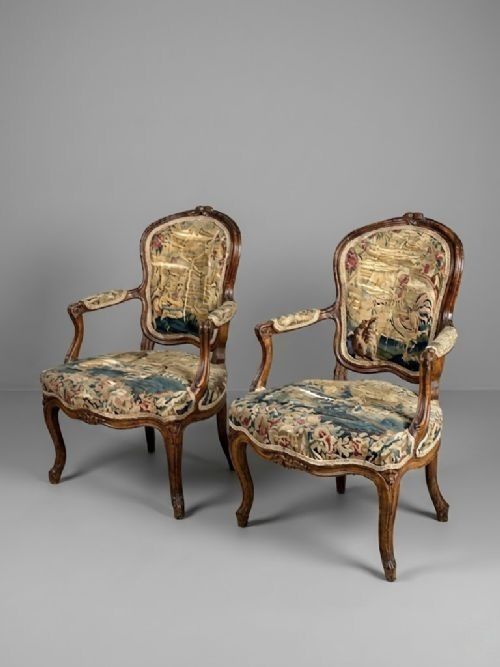
Upholstery methods involved stuffing hair and wool over webbing or canvas foundations, secured with brass tacks and finished with top layers of silk, damask, needlepoint, tapestry, or leather. Silk and wool textiles often reflect later historic restorations while maintaining period-appropriate aesthetics.
18th Century Upholstered Armchair Retail Price Guide 2026
Typical asking prices for 18th century upholstered armchair among the pieces listed under this phrase on Sellingantiques today, from the lower quarter to the upper quarter. They describe what is for sale here now, not the wider market.
Some chairs spent centuries guarding draughty fireplaces before finding their way onto modern floorboards.
Judging the work
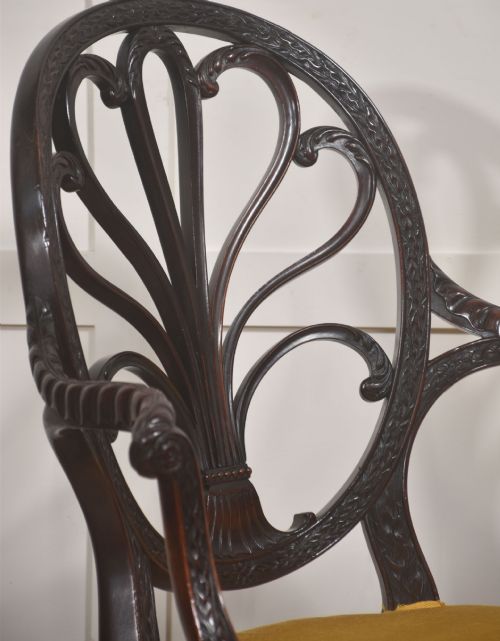
Quality rests in the crispness of the timber carving and the architectural proportions of the frame, where fluid lines on cabriole legs or arm bows distinguish superior cabinet work from standard production. The integration of the upholstery design with the underlying timber scale dictates the visual harmony of the chair.
Makers of distinction imparted refinement through thoughtful timber selection, such as figured mahogany or rich walnut grain, paired with robust internal framing that survived centuries of daily sitting.
Giles Grendey·Gillows·Henri Jacob
The 18th Century Upholstered Armchair Glossary
- Gainsborough armchair
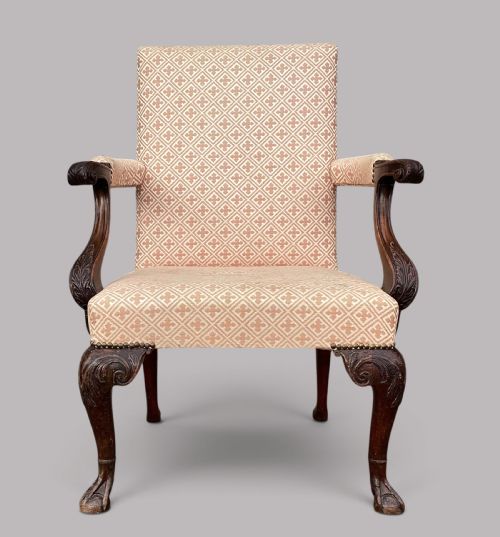
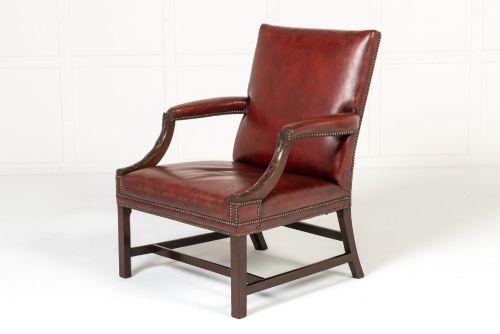
- A low-backed, upholstered library chair with padded armrests, open sides, and a square seat, popular during the mid-Georgian era.
- Wingback armchair
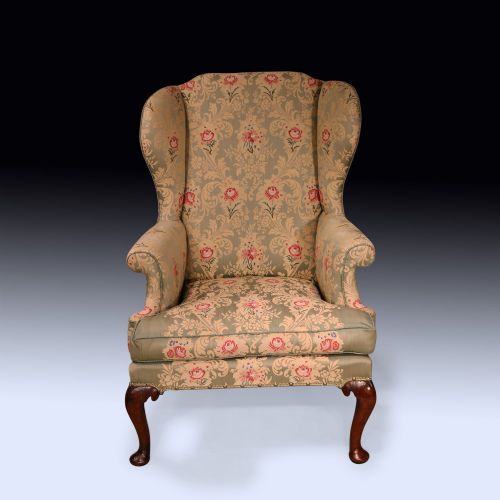
- A tall-seated chair featuring projecting side panels designed to shield the occupant from fireplace draughts.
- Cabriole leg
- A furniture leg that curves outward at the knee and tapers inward toward the foot, frequently terminating in pad or claw-and-ball feet.
- Tapisserie
- Woven textile coverings used historically for upholstery, often depicting pictorial scenes or floral patterns.
- Fauteuil
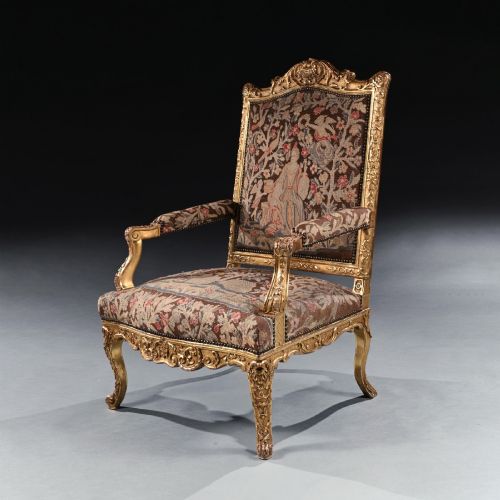
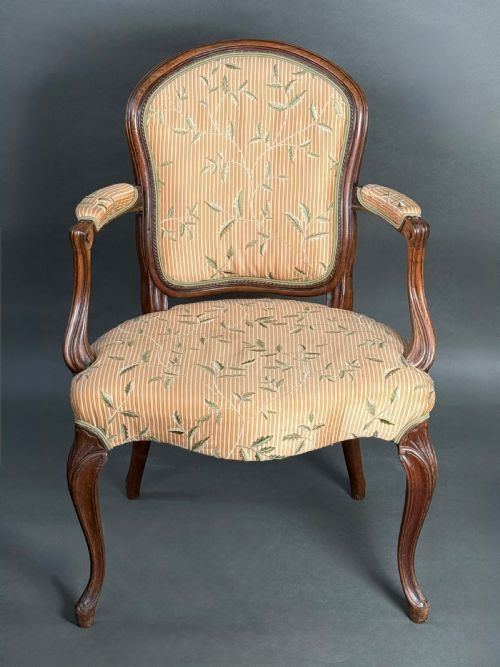
- A French open-arm armchair with exposed wooden framing, characteristic of 18th-century court and salon seating.
18th Century Upholstered Armchair: Frequently Asked Questions
What is a Gainsborough armchair?
A Gainsborough chair is a wide, low-backed library armchair characterised by open padded arms and a fully upholstered seat and back.
These pieces were typically positioned near desks or reading tables in grand houses during the Georgian era.
How do I identify a wingback chair?
Wing chairs feature prominent upholstered flaps or wings attached to the backrest, designed originally to trap heat from a fireplace and block cold draughts.
They sit on various leg styles, including cabriole and straight square supports.
Are these chairs comfortable for daily sitting?
While historic padding materials differ from modern foam, many period armchairs offer generous proportions and supportive sprung or webbed bases.
Buyers intending to use them daily often ensure the internal webbing and upholstery layers are stable.
How do French and English chairs differ?
English 18th-century chairs typically utilise dense mahogany or walnut with restrained carving, focusing on structural strength and clean timber grain.
French equivalents from periods like the Regency or Louis XV often showcase painted finishes, giltwood, or exposed walnut frames with elaborate floral carving.