



Irish Georgian Seating
Irish georgian seating encompasses robust mahogany and walnut chairs, stools and settees shaped by eighteenth-century cabinet-makers and later revivalists.
Irish Georgian Seating
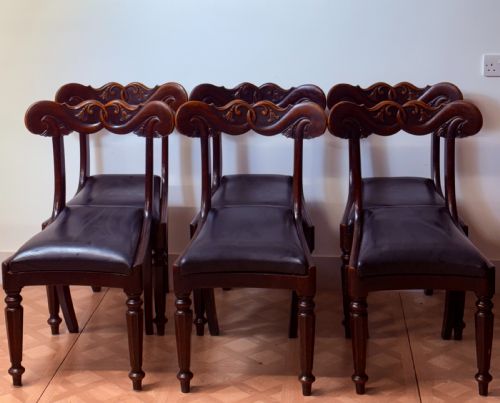
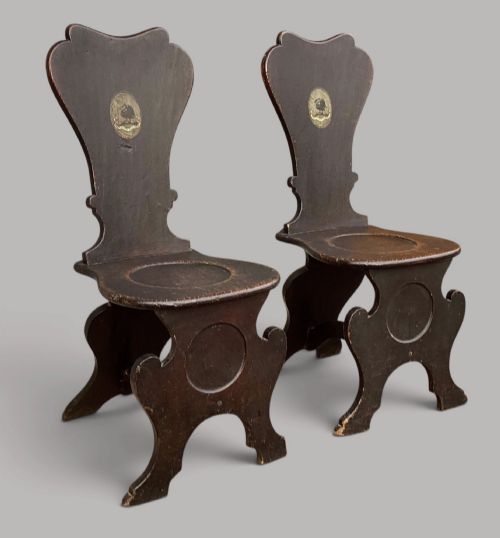
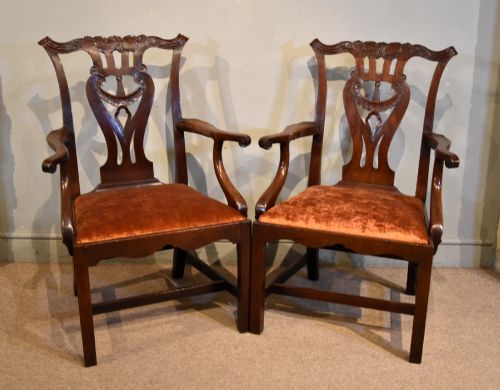
Irish georgian seating comprises chairs, stools, settees and sofas originating primarily from the eighteenth century alongside subsequent nineteenth and twentieth-century revivals. Buyers encounter forms ranging from single side chairs and library armchairs to matched sets of dining chairs and long hall chairs.
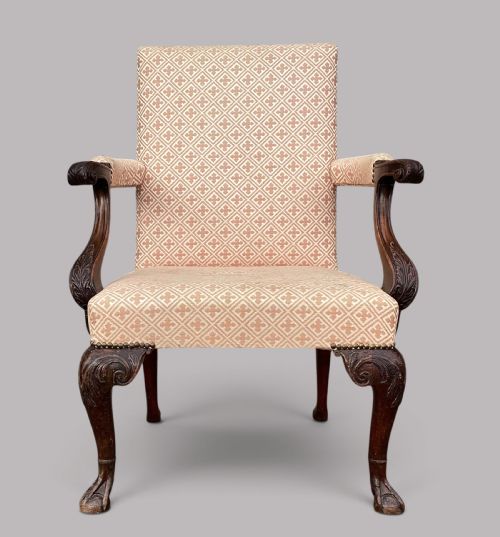
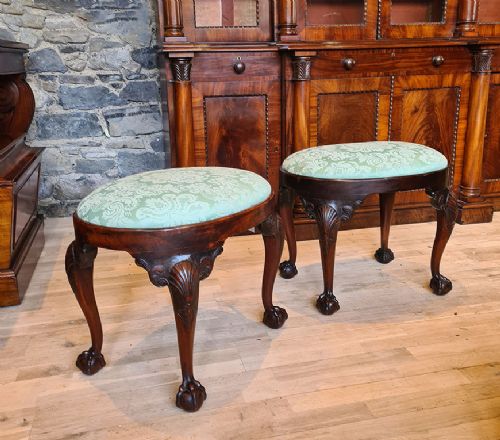
The material palette centres on rich timbers including mahogany and red walnut, frequently paired with varied upholstery fabrics such as velvet and damask. Pieces span functional seating like desk chairs and piano stools to decorative open armchairs and footstools.
Materials and construction
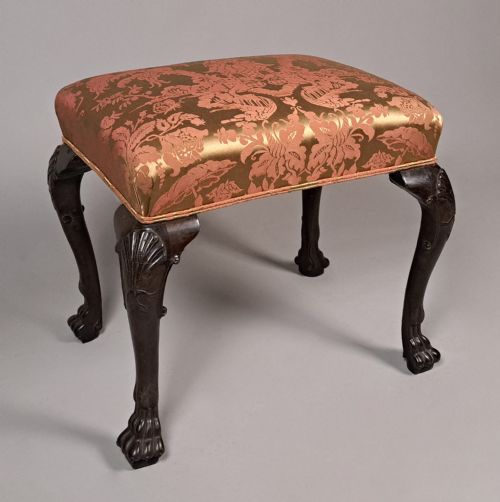
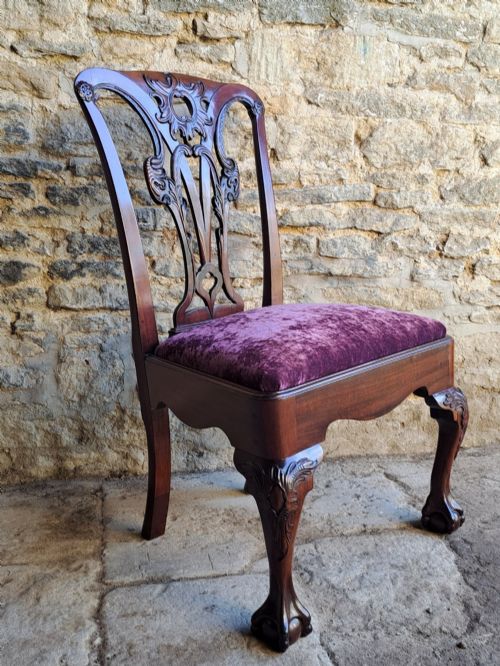
Cabinet-makers relied heavily on solid mahogany and red walnut, shaping timber into cabriole legs and sturdy frames. Brass elements occasionally appeared in structural or decorative capacities.
Frames received upholstery in materials like velvet, damask and general textile fabric to finish seats and footstools.
Irish Georgian Seating Retail Price Guide 2026
Typical asking prices for irish georgian seating among the pieces listed under this phrase on Sellingantiques today, from the lower quarter to the upper quarter. They describe what is for sale here now, not the wider market.
Listings feature items spanning the seventeenth to the twentieth century, utilising mahogany, walnut and brass alongside diverse upholstery fabrics.
Distinctions in quality
Quality rests upon the depth and precision of carved ornamentation upon the mahogany or walnut frames, separating standard production from exceptional artistry. The harmony of proportions across cabriole legs and backrests further dictates the standing of each piece.
Giles Grendey·Butlers of Dublin·Robert Strahan Dublin
The Irish Georgian Seating Glossary
- Cabriole leg
- A furniture leg that bends outward in a convex curve and tapers inward to a foot, typical of eighteenth-century design. This form mimics the natural shape of an animal's leg.
- Side chair
- An upright chair without arms, designed primarily for dining or placement against a wall. These chairs form the core of larger matched dining sets.
- Settee
- A long upholstered wooden seat for two or more people with a back and arms. These seating forms often mirror the stylistic details of contemporary armchairs.
- Damask
- A reversible figured fabric woven on a jacquard loom with patterns formed by contrasting warps and wefts. It frequently serves as high-end upholstery.
Irish Georgian Seating: Frequently Asked Questions
What defines irish georgian seating?
These pieces include chairs, stools and settees constructed from mahogany or walnut, created during the eighteenth century or in later revival periods.
They showcase distinct regional carving traditions and robust framing designed for formal domestic use.
How do you date these pieces?
Dating relies on timber choice, such as red walnut or later mahogany, alongside stylistic markers like cabriole legs and revival periods.
Makers' marks or documented workshop traits also help pinpoint the exact era of construction.
Where were these chairs used?
Original pieces served in formal dining rooms, libraries and grand halls of period residences as functional and decorative seating.
Different forms suited specific tasks, from desk chairs for writing to piano stools for music rooms.
How should you care for the timber?
Maintain mahogany and walnut surfaces by keeping them away from direct heat sources and sudden humidity shifts to prevent wood splitting.
Regular gentle dusting preserves the natural finish without stripping the patina built over centuries.