




George II Carved Chair
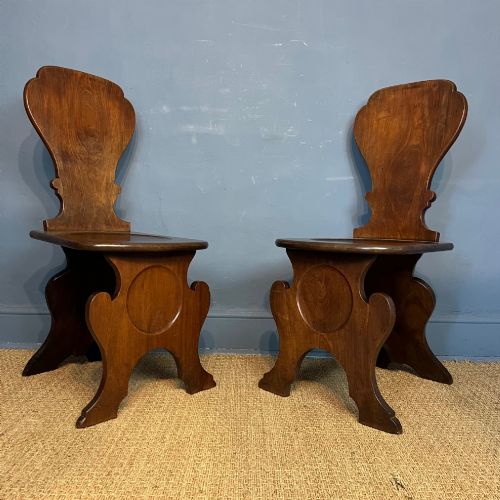
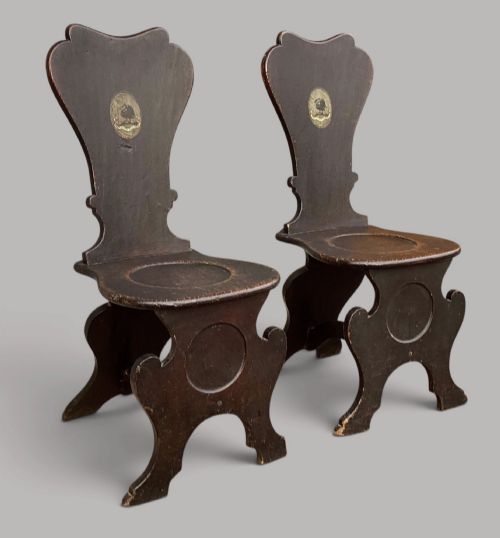
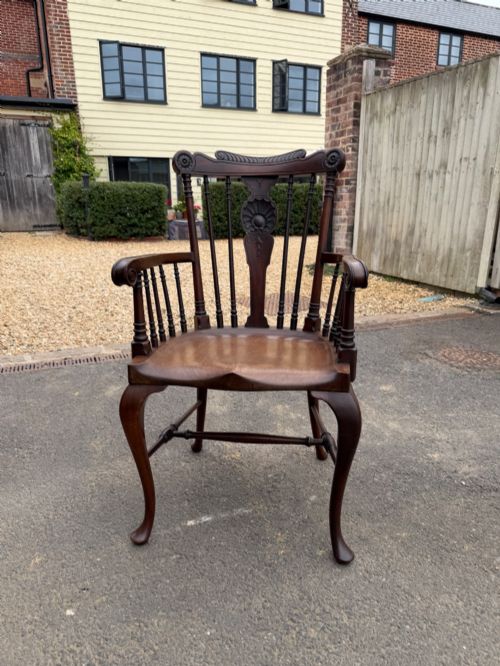
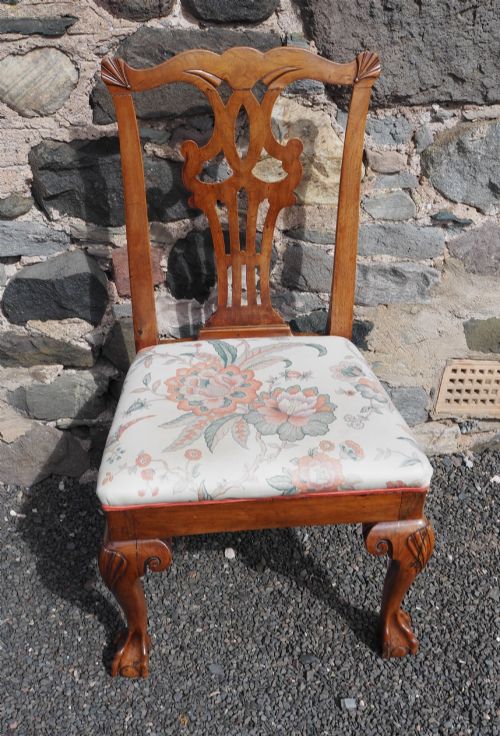
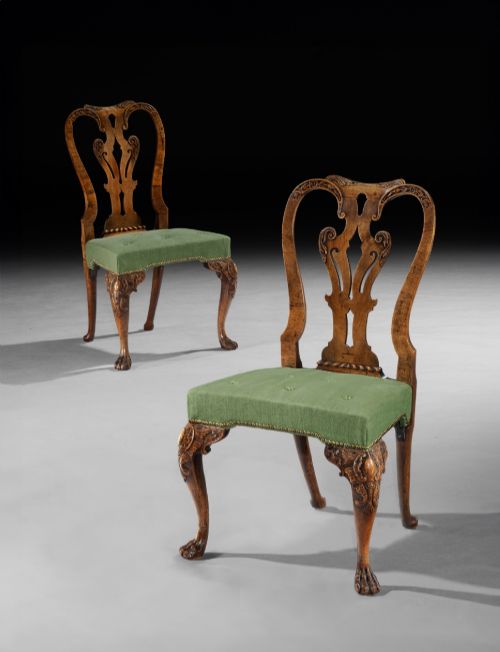
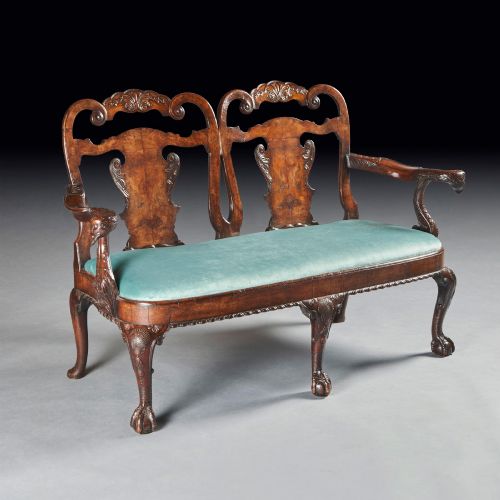
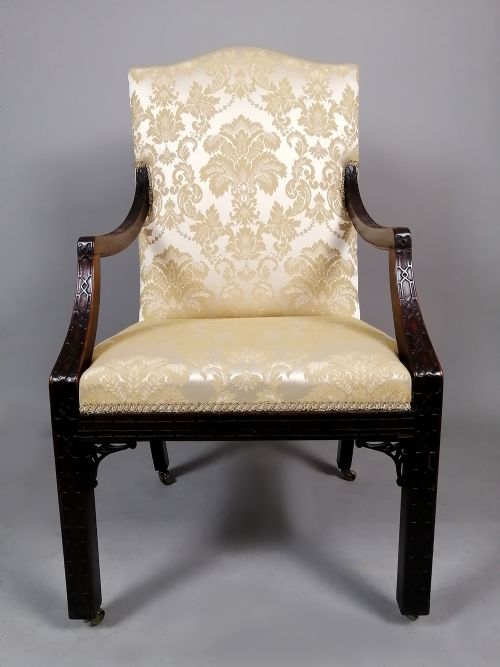
A george ii carved chair brings solid mahogany and walnut craftsmanship straight from the eighteenth century into a modern interior.
George II Carved Chair
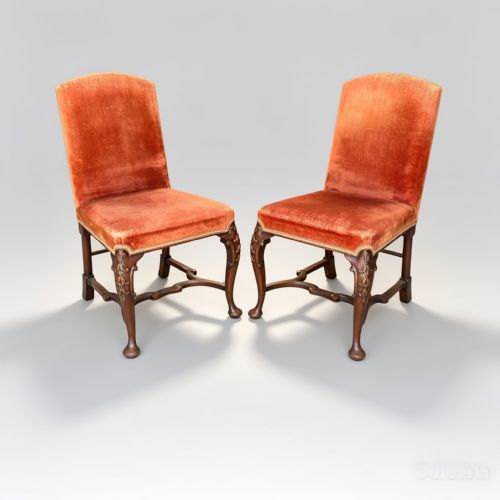
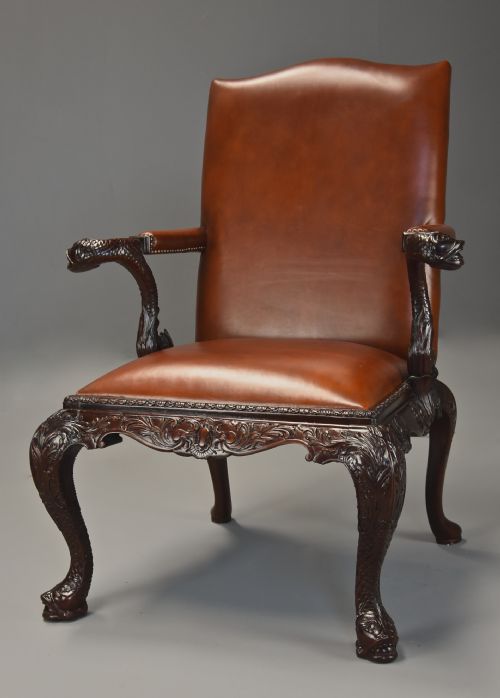
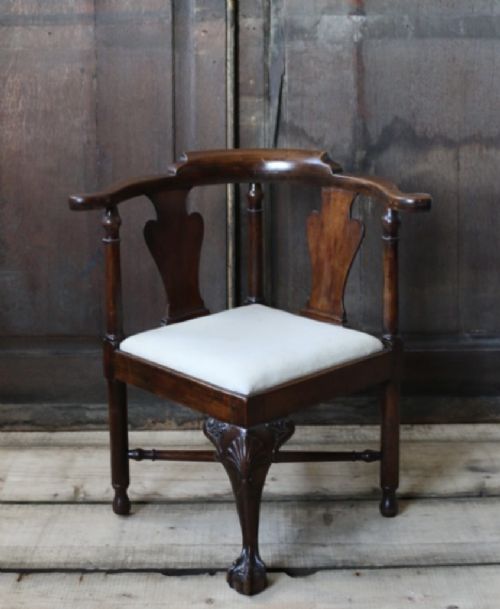
When searching for a george ii carved chair, a buyer encounters pieces originating from the eighteenth century alongside later revival interpretations from the nineteenth and twentieth centuries.
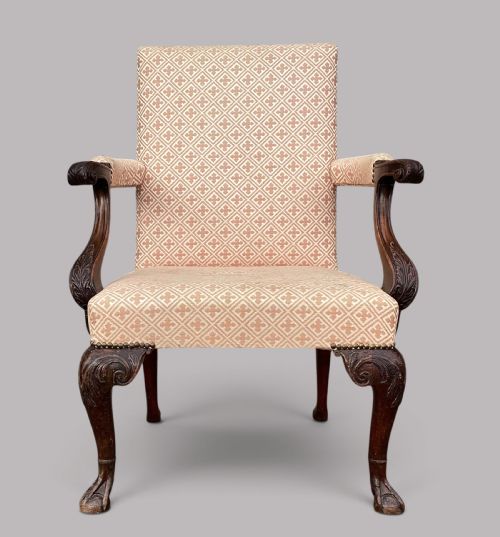
The forms span open armchairs, dining chairs, side chairs, wing armchairs, library chairs, and Gainsborough armchairs, often built as pairs or larger dining sets.
Walnut dominates the earlier eighteenth-century examples, while mahogany shapes both the period originals and the later Chippendale revival pieces.
Carving and Proportion
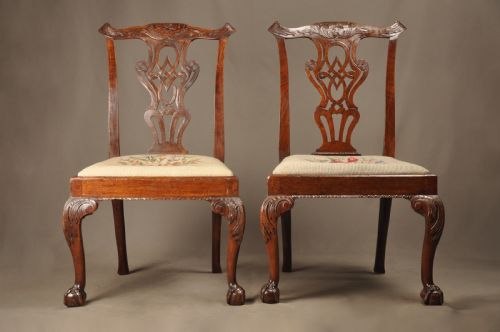
The depth and crispness of the timber carving separate standard seating from exceptional examples, particularly on the knees of cabriole legs and along the crest rails.
Proportion and stance dictate the visual weight of the frame, where balanced rails and clean joints retain the structural integrity established by eighteenth-century joinery.
George II Carved Chair Retail Price Guide 2026
Typical asking prices for george ii carved chair among the pieces listed under this phrase on Sellingantiques today, from the lower quarter to the upper quarter. They describe what is for sale here now, not the wider market.
Giles Grendey·Robert Strahan Dublin
The George II Carved Chair Glossary
- Cabriole leg
- A furniture leg that curves outward at the knee and tapers inward toward the foot, typical of mid-eighteenth-century design. This profile often terminates in a pad or claw and ball foot.
- Gainsborough armchair
- A wide, upholstered open armchair with padded armrests, designed during the mid-eighteenth century for reading or writing. These seats usually stand on four cabriole or straight legs.
- Chippendale style
- A mid-eighteenth-century aesthetic defined by carved ribbon backs, interlaced splats, and robust cabriole legs. Revival iterations replicated these motifs in later centuries.
- Wing armchair
- A high-backed chair with integral side panels designed to shield the sitter from draughts. Early versions incorporate walnut frames and scroll arms.
George II Carved Chair: Frequently Asked Questions
How do I identify period pieces?
Examine the timber species and the wear patterns on the underside of the seat frame to determine age. Eighteenth-century examples display dense walnut or patinated mahogany with traditional hand-cut joinery.
Later revivals from the nineteenth and twentieth centuries often utilise machine tooling or softer secondary woods beneath the upholstery lines.
Where were these chairs placed?
Dining chairs populated formal dining rooms in sets of twelve or smaller groupings around mahogany tables. Open armchairs and library chairs stood in studies or parlours.
Wing armchairs sat near fireplaces to utilise the upholstered side wings for warmth and privacy.
Are later revival pieces authentic?
Nineteenth and twentieth-century revival pieces represent deliberate homages to earlier Georgian proportions and carving styles. Makers during these later periods utilised high-grade mahogany and walnut.
These items carry their own historical value as examples of Victorian and Edwardian craftsmanship.
What textiles cover the seats?
Original and replacement upholstery spans velvet, traditional fabric, woven tapestry, and leather. These materials are selected to complement the dark tones of the walnut or mahogany frames.
Many pieces allow for easy re-covering to match contemporary interiors.