




18th Century Teapot
When an 18th century teapot comes to hand, you hold a piece shaped by silver, porcelain, or copper from a time when tea was an expensive ritual.
18th Century Teapot
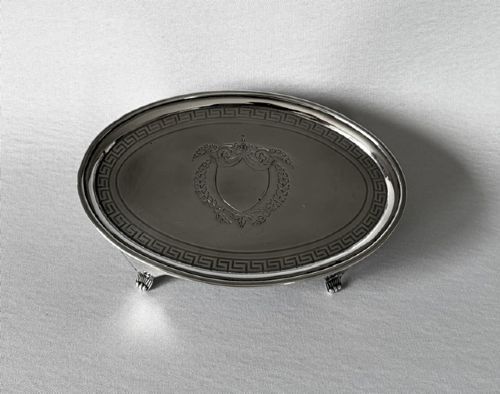
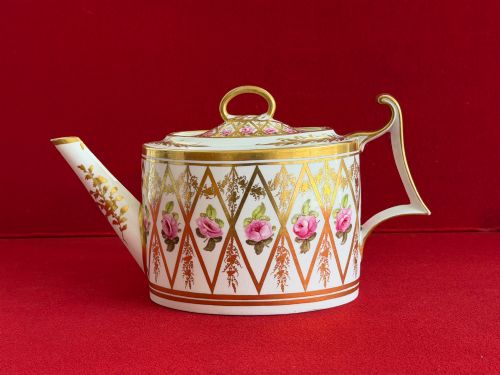
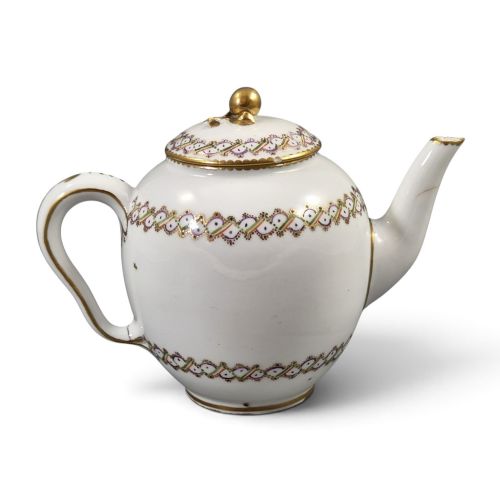
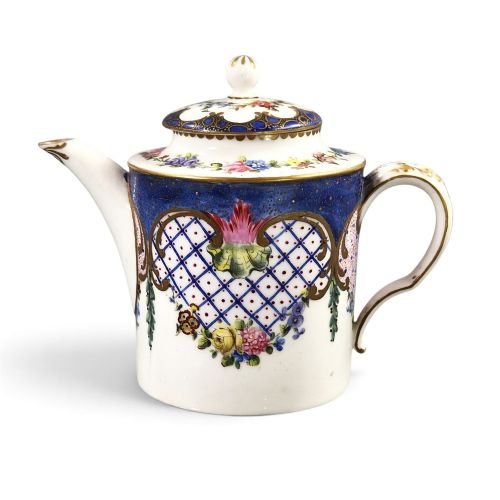
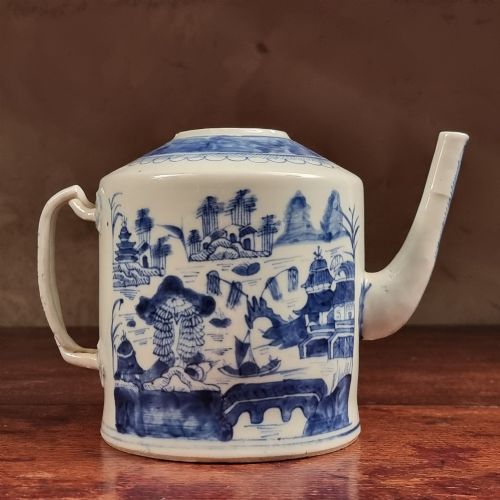
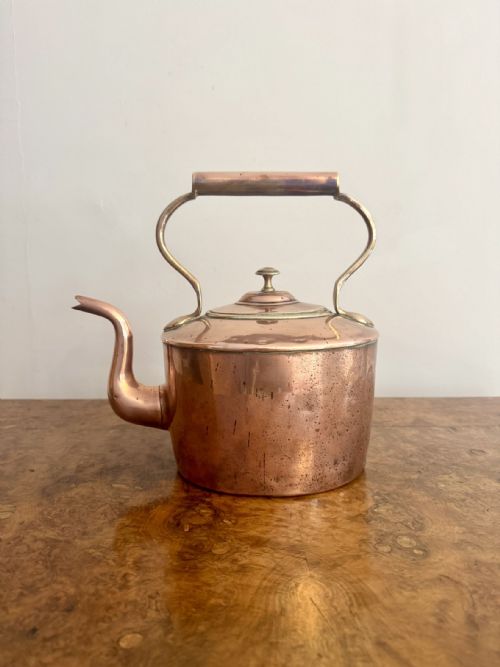
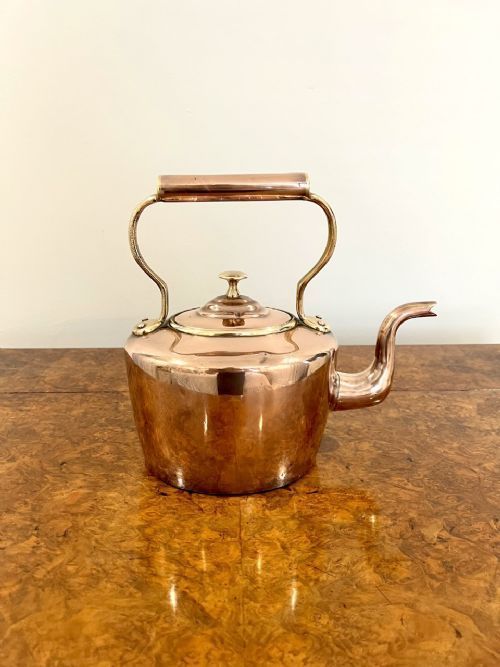
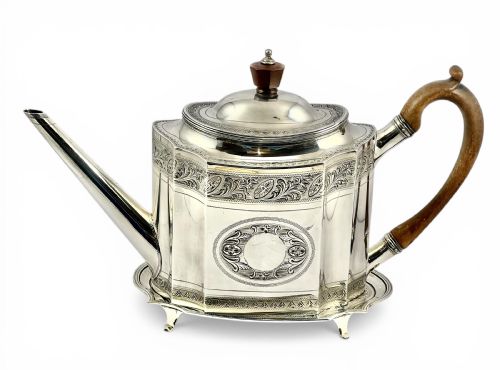
An 18th century teapot spans porcelain, sterling silver, copper, and stoneware forms used across Georgian parlours and international trade routes. The pieces seen here range from Chinese export porcelain and British factories like Worcester and Derby to heavy George III copper kettles and solid silver bullet pots.
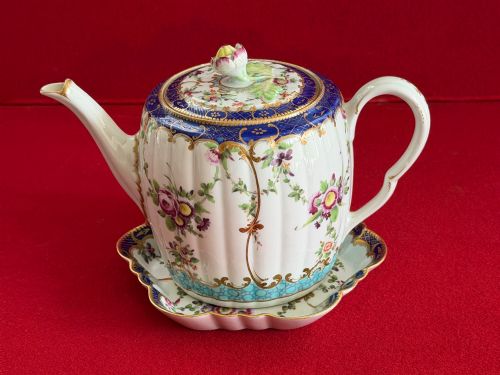
Buyers encounter globular bodies, barrel shapes, and cylindrical teapots alongside associated stands and related items such as coffee pots and ewers. The diversity reflects domestic English production sitting alongside continental European porcelain and wares shipped from the Qing Dynasty.
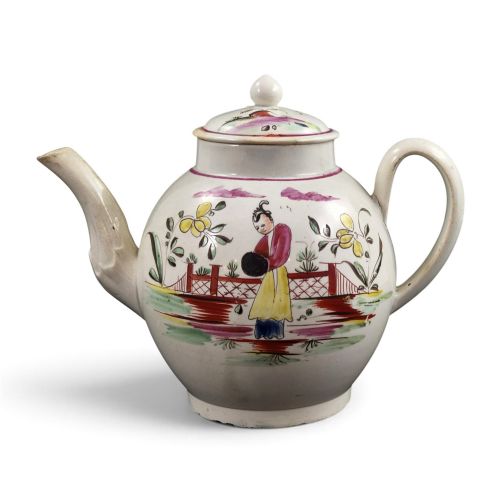
Domestic ceramic pieces show painted enamel flowers, blue and white transfer prints, and Chinoiserie motifs, while metal examples rely on clean hammered copper, brass fittings, and polished silver surfaces.
How they were made
Ceramic teapots were thrown or moulded in soft-paste porcelain, creamware, or stoneware, then hand-painted with underglaze blue or overglaze enamel colours. Many factories utilised delicate flower head knops and fitted covers unique to individual kiln batches.
Silver and copper vessels were raised from sheet metal by hammering and soldering, incorporating cast spouts and handles insulated with wood or bone. Sterling silver examples often display crisp hallmarks for assay offices in London, Edinburgh, and Newcastle.
18th Century Teapot Retail Price Guide 2026
Typical asking prices for 18th century teapot among the pieces listed under this phrase on Sellingantiques today, from the lower quarter to the upper quarter. They describe what is for sale here now, not the wider market.
Listings feature porcelain, copper, sterling silver, and stoneware, spanning periods from the late 17th century through the Georgian era.
What varies in quality
Quality rests in the crispness of the modelling, the clarity of hand-painted enamel decoration, and the survival of original matching covers and stands. Finer ceramic pieces show precise brushwork without glaze pooling, while superior metal pots exhibit balanced proportions and clean soldering.
Maker attribution alters the standing of a piece, with named factories like Sèvres, Worcester, or Wedgwood carrying distinct artisan execution. The thickness of the silver gauge or the weight of the polished copper body also separates standard utility vessels from high-status items.
Derby Porcelain·Royal Sèvres·Robert Hennell I·Thomas Wolfe·Philip Christian·Enoch Wood and Sons·Wedgwood
The 18th Century Teapot Glossary
- Soft-paste porcelain
- A ceramic composition fired at lower temperatures than hard paste, developed in European factories during the eighteenth century to imitate Chinese porcelain. It often exhibits a slightly warmer glaze tone and distinct translucency.
- Chinoiserie
- European artistic style and decorative motifs imitating Chinese and East Asian design elements. It appears frequently on eighteenth-century ceramic teapots and stands through fantastical landscapes and figures.
- Basalt
- A fine-grained, hard black stoneware introduced by Wedgwood and other potteries. This unglazed ceramic body relies on its matte dark finish and sharp moulded relief decoration for visual effect.
- Hallmark
- A stamped official mark on silver or gold objects indicating purity, maker, assay office, and year of testing. These stamps allow precise dating of Georgian silver teapots.
- Knop
- The decorative handle or finial positioned on top of a teapot lid. Eighteenth-century examples take forms such as flower heads, fruit, or stylized animals.
18th Century Teapot: Frequently Asked Questions
How do I date an 18th century teapot?
Dating relies on combining stylistic evidence, factory marks, and physical materials. Ceramic pieces often show period-specific paste composition and blue underglaze crescents or numbers, while silver examples carry legible assay office hallmarks.
Changes in silhouette - from early globular shapes to later cylindrical and oval forms - also help narrow down the decade of production.
Were these teapots used for daily tea drinking?
Tea was a costly commodity during the Georgian era, making these vessels central to formal social gatherings rather than casual daily use. Wealthy households displayed them on dedicated silver or porcelain stands during tea services.
Over time, handling patterns and heat exposure left subtle traces on the interior glazes and metal bases of surviving pieces.
How do I care for an antique teapot?
Antique teapots require gentle handling, avoiding abrasive cleaners and modern dishwashers that damage historic glazes or fragile enamel decoration. Soft, dry cloths work best for dusting metal surfaces and ceramic exteriors.
Displaying them away from direct sunlight protects organic pigments and prevents thermal shock to aged materials.
What is the difference between porcelain and stoneware teapots?
Porcelain teapots are vitrified ceramic wares fired to a dense, non-porous state, often decorated with bright enamels or blue and white underglaze. Stoneware teapots, such as Chinese Yixing or English basalt pieces, use unglazed or lightly glazed clay bodies that emphasise natural texture.
Each material reflects different regional traditions and manufacturing techniques popular across the period.