

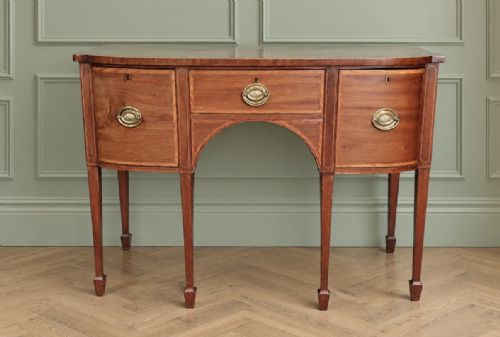
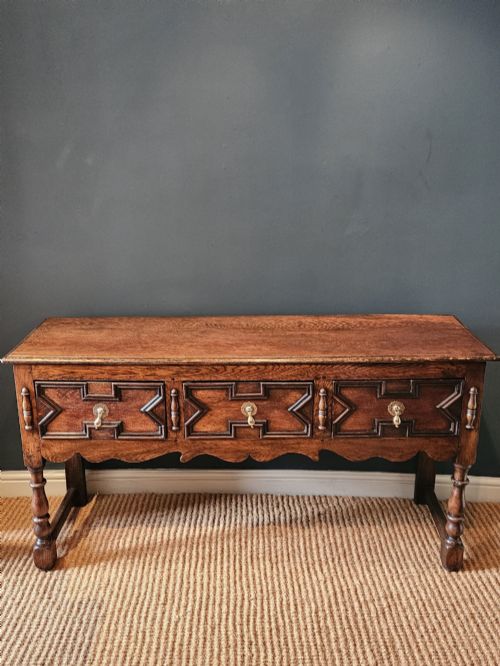
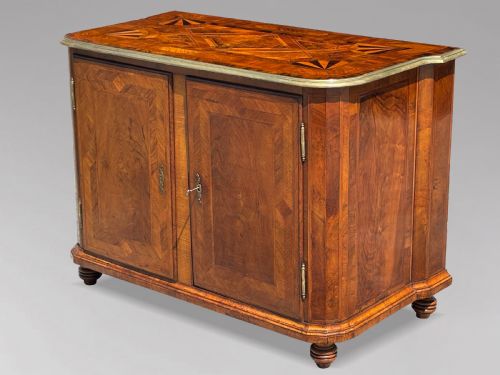

18th Century Style Sideboard
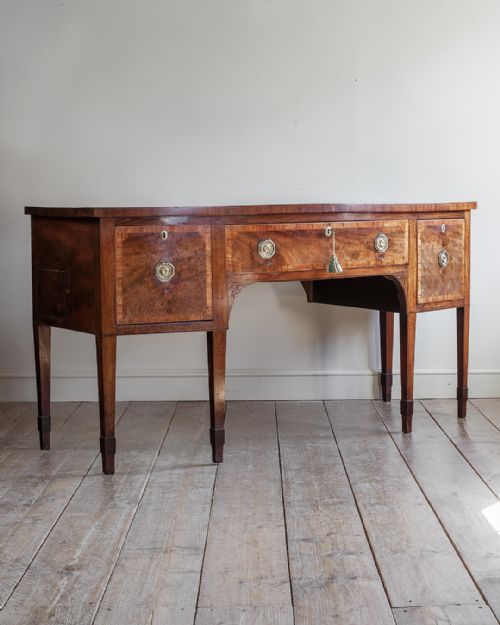
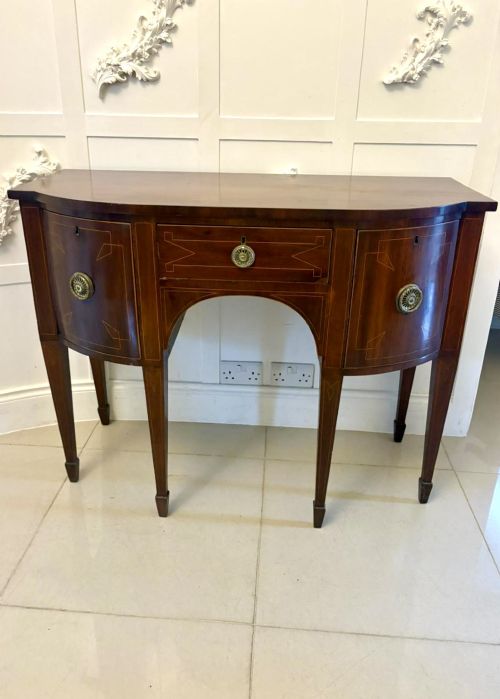
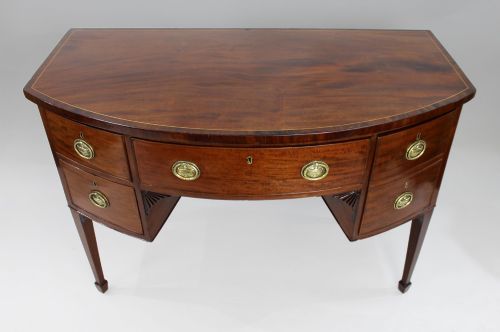
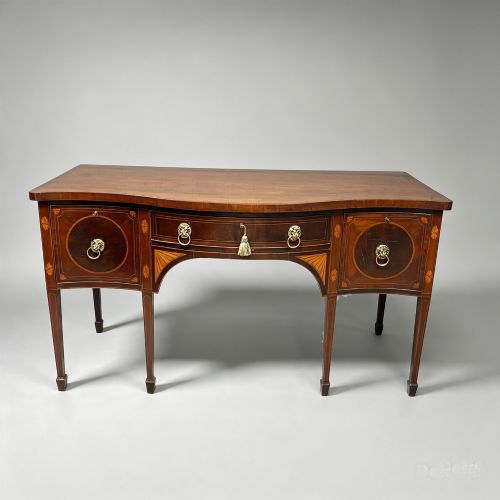
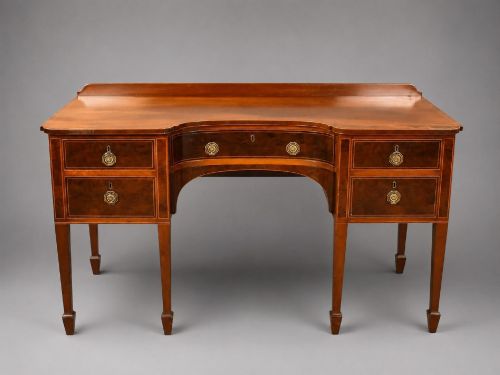
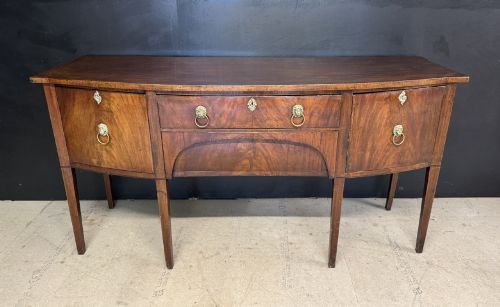
An 18th century style sideboard brings architectural presence and generous dining room storage to a home through period mahogany, oak, and walnut timber.
18th Century Style Sideboard
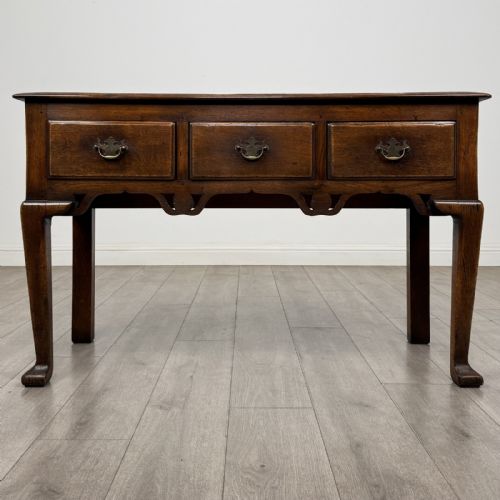
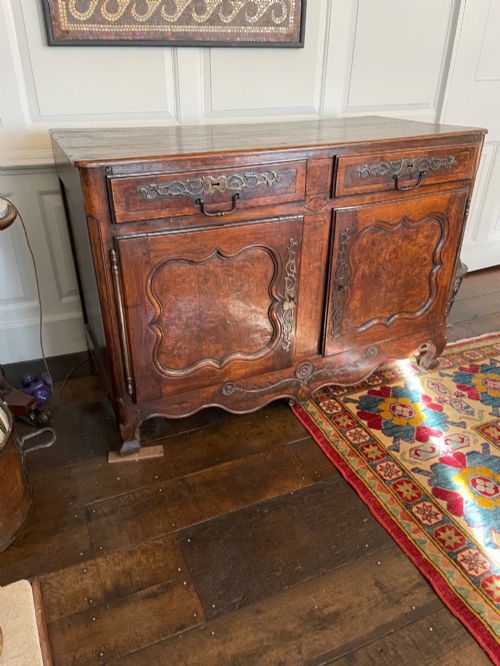
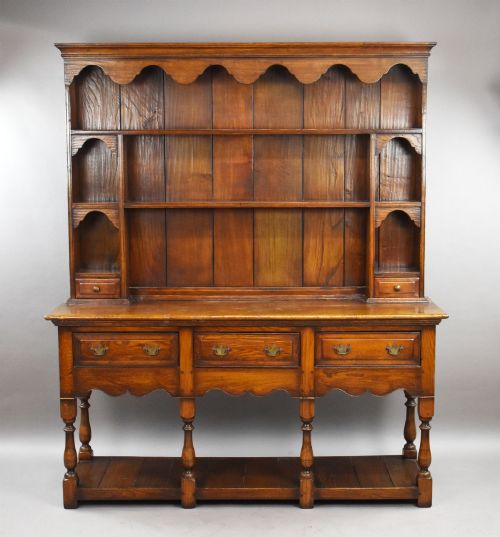
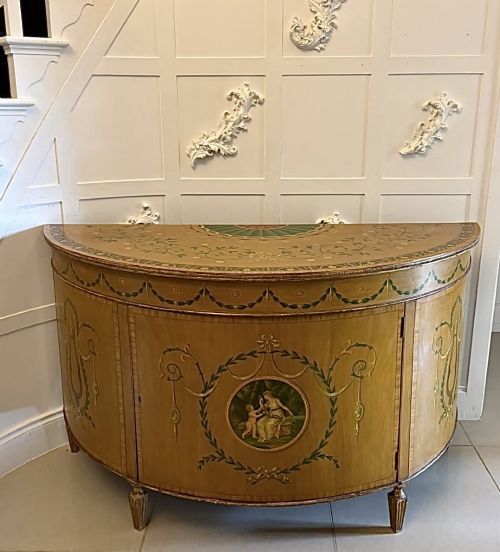
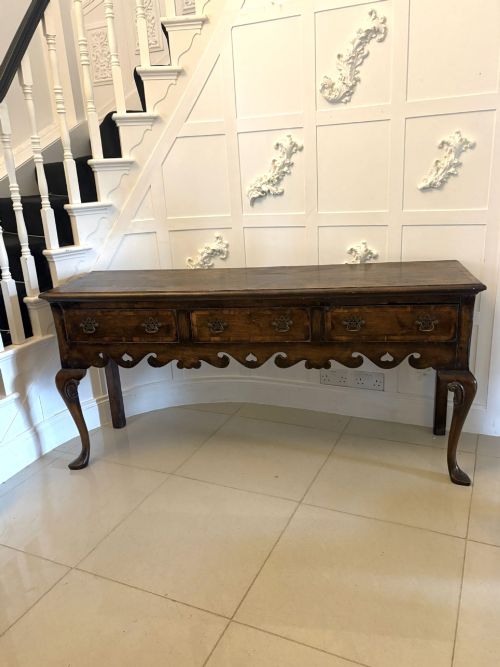
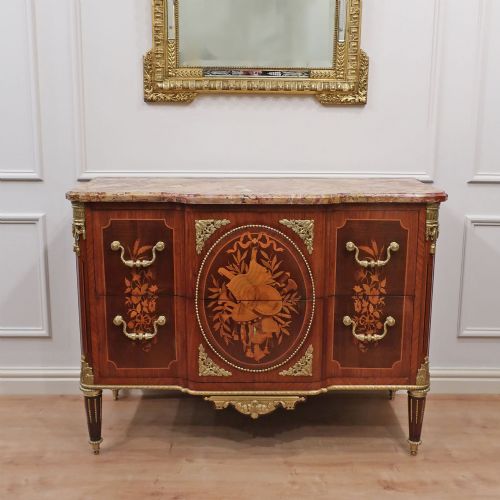
An 18th century style sideboard encompasses formal Georgian dining furniture, provincial oak dresser bases, and serpentine commodes designed for serving and storage. When exploring these pieces, a buyer encounters formal Sheraton designs alongside country oak variants and Continental commodes.
The selection ranges from George III mahogany masterpieces with delicate boxwood and satinwood inlay to sturdy oak dresser bases and walnut commodes. These items serve practical dining needs while anchoring a room with traditional proportion and craftsmanship.
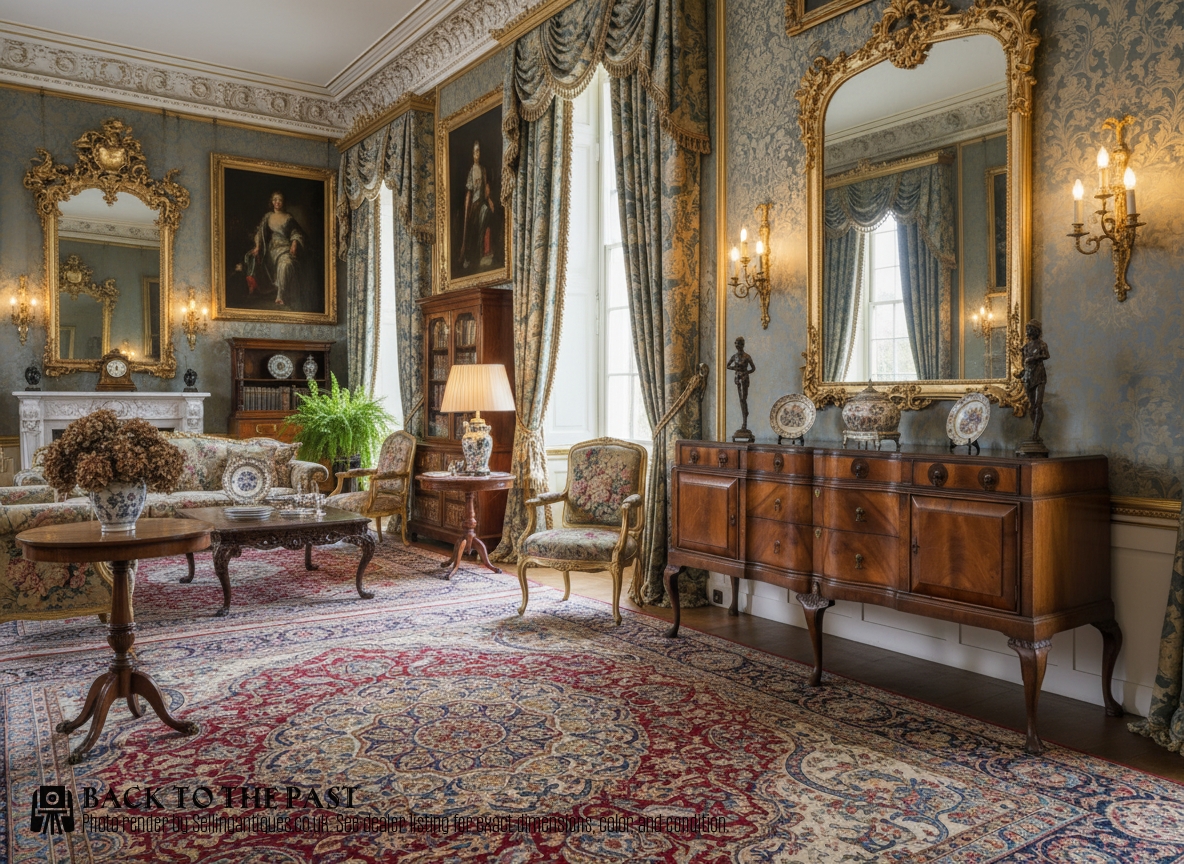
Materials and Construction
Cabinetmakers relied heavily on solid mahogany, oak, and walnut, often accentuating the primary timber with satinwood and boxwood inlay or crossbanding. Brass handles and mounts completed the construction, adding functional contrast to the dark wood surfaces.
Construction techniques involved traditional joinery, geometric mouldings, and intricate marquetry, particularly on pieces originating from French and Italian workshops. Serpentine and bowfront shapes required advanced timber-bending skills and precise hand-carving.
18th Century Style Sideboard Retail Price Guide 2026
Typical asking prices for 18th century style sideboard among the pieces listed under this phrase on Sellingantiques today, from the lower quarter to the upper quarter. They describe what is for sale here now, not the wider market.
Materials span solid oak, figured mahogany, walnut, and exotic satinwood and boxwood inlay highlights.
Assessing Quality and Execution
Quality rests in the crispness of the carving, the choice of figured mahogany or burr walnut veneers, and the restraint of the inlay work. Superior examples display balanced proportions, flawless timber matching, and original brass hardware.
Lesser pieces show coarser timber selection, less refined secondary woods, and heavy-handed restorations that obscure the original period character. The fluidity of a serpentine or bowfront facade distinguishes master cabinetwork from standard production.
Gillow
The 18th Century Style Sideboard Glossary
- Serpentine
- A curved front shape featuring a convex centre flanked by two concave sweeps. This profile demands exceptional skill from the cabinetmaker.
- Bowfront
- A convex curved front that projects outward in a smooth arc. It gained popularity during the Georgian period for sideboards and chests.
- Crossbanding
- A narrow strip of veneer applied to the border of a furniture piece so the grain runs perpendicular to the main panel. This technique frames the primary timber.
- Commode
- A low cabinet or chest of drawers originating in France. These pieces frequently feature marble tops and elaborate marquetry.
- Dresser Base
- A utilitarian wooden table with drawers used in country kitchens and dining rooms for food preparation and storage.
18th Century Style Sideboard: Frequently Asked Questions
How do I style an 18th century sideboard?
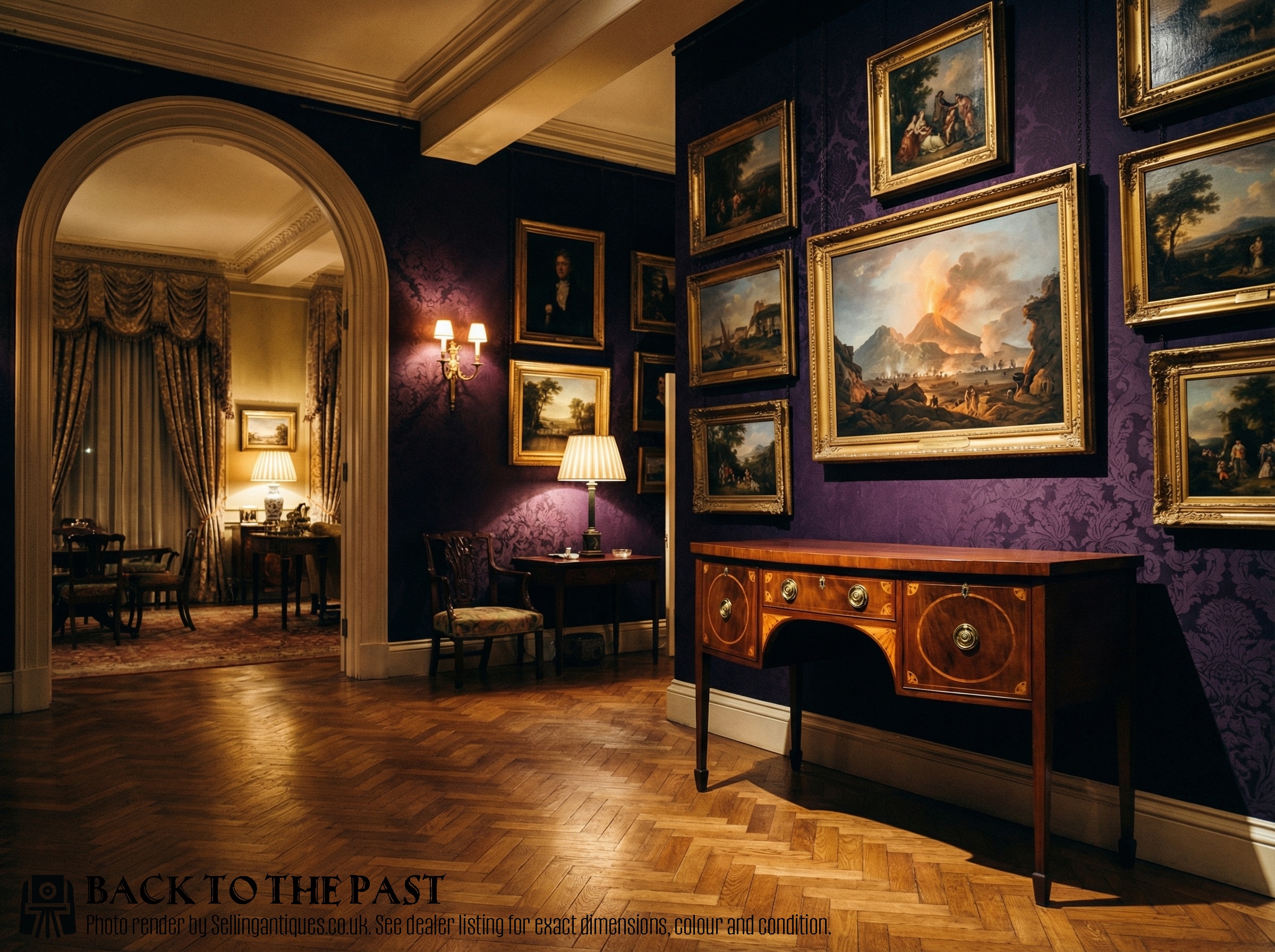
Pair the sideboard with traditional dining furniture and use the surface to display period ceramics or silver candlesticks. A large mirror or oil painting hung above completes the formal arrangement.
Ensure the piece sits in a room with adequate space to accommodate its depth and to allow the drawers and cupboards to open fully.
What is the difference between a sideboard and a commode?
Sideboards were traditionally designed for dining rooms to serve food and store tableware, often featuring long linear or serpentine proportions. Commodes are generally lower cabinet pieces with continental origins, frequently topped with marble.
Both items provide substantial storage, but commodes lean towards decorative bedroom or drawing-room use, while sideboards belong in the dining space.
How do I identify a Georgian period piece?
Look for hallmarks of 18th-century design such as tapering spade feet, satinwood stringing, and flame mahogany veneers. Construction details like hand-cut dovetails on the drawer linings also indicate age.
Examine the secondary woods used inside the drawers, as regional workshops utilised local timbers like oak or pine to back their primary hardwoods.
Are these sideboards suitable for daily use?
These pieces were built for practical service and remain robust enough for contemporary dining room storage. The deep drawers and cupboards easily accommodate modern tableware and linens.
Maintenance requires simple waxing to protect the timber, keeping the antique surfaces away from direct heat sources and excessive moisture.