


18th Century Style Cabinet
An 18th century style cabinet brings period presence and practical storage to a room through traditional craftsmanship and timber.

18th Century Style Cabinet
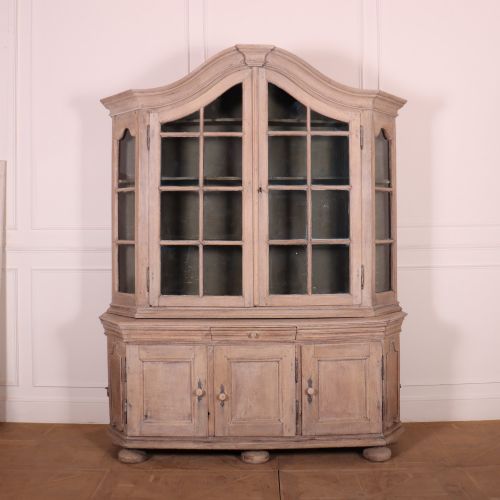
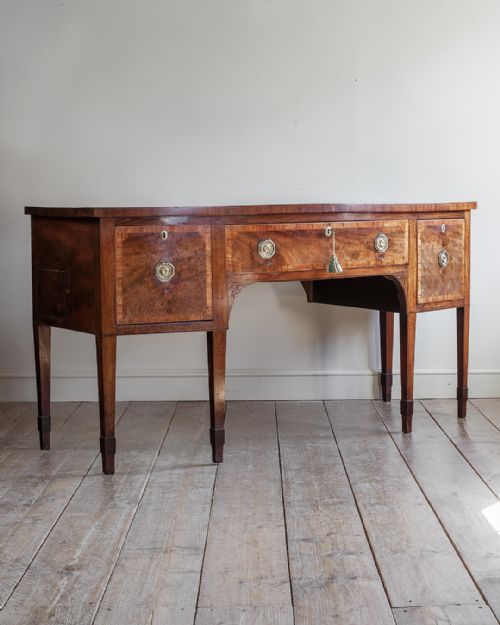
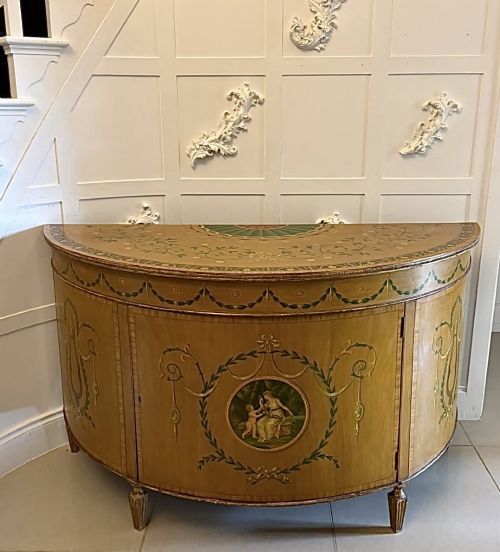
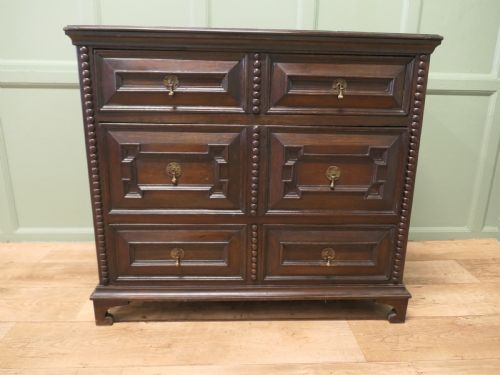
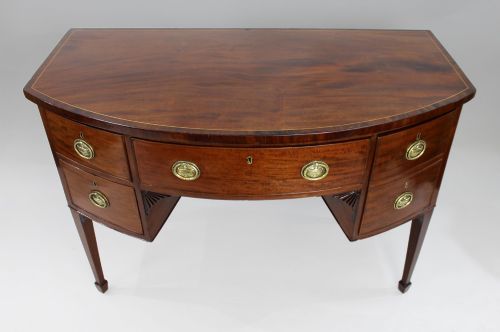
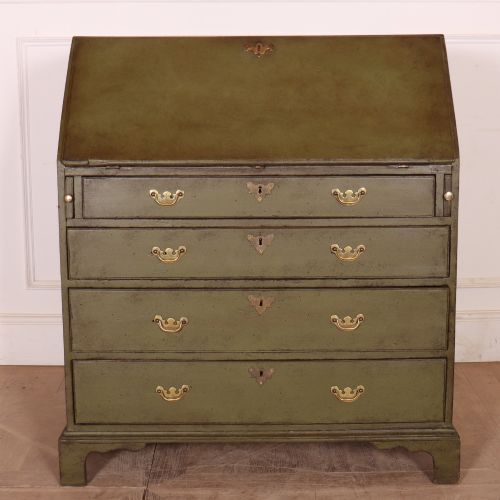
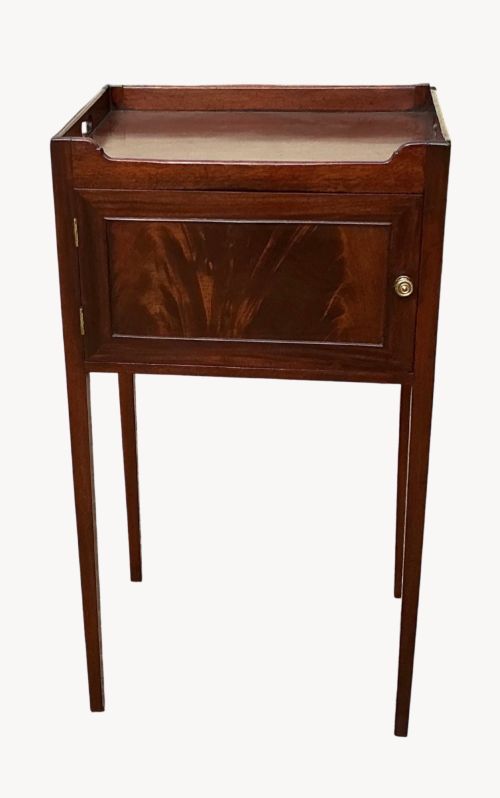
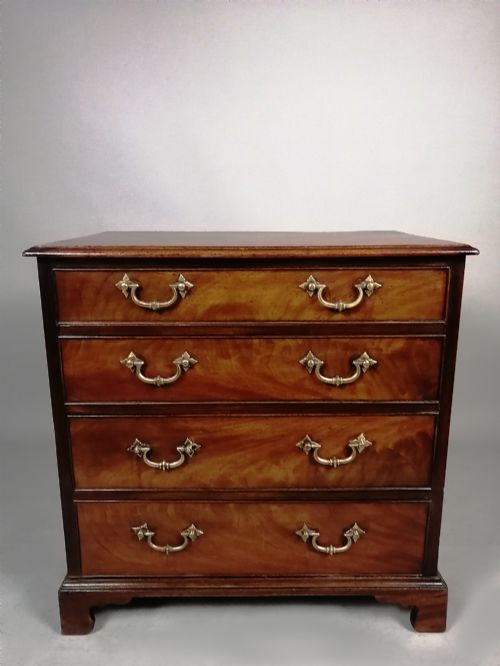
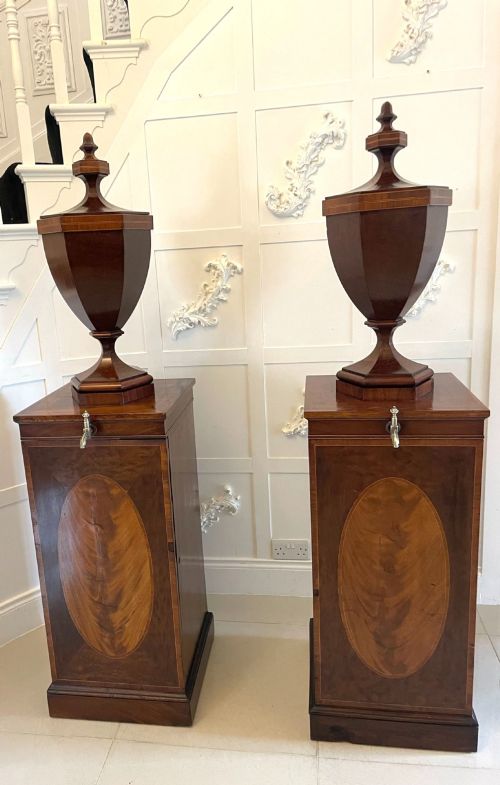
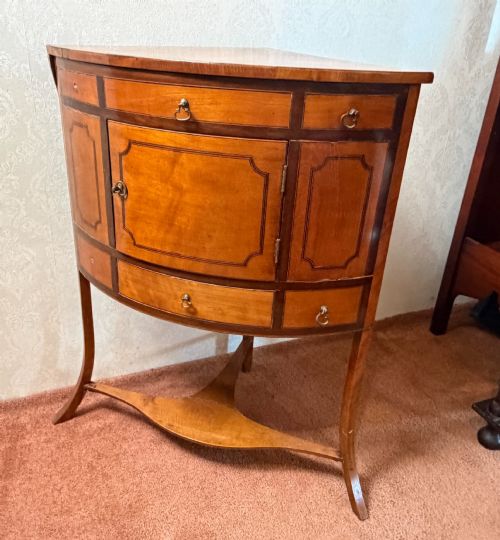
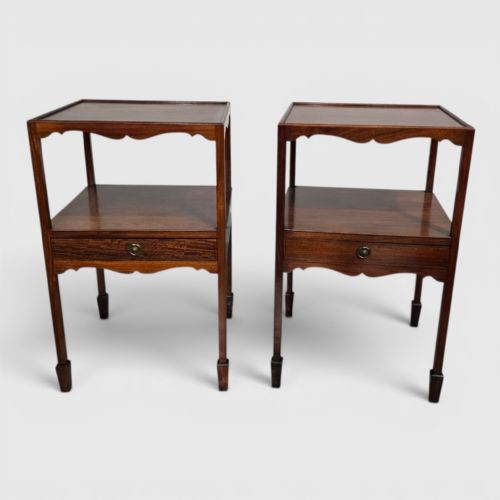
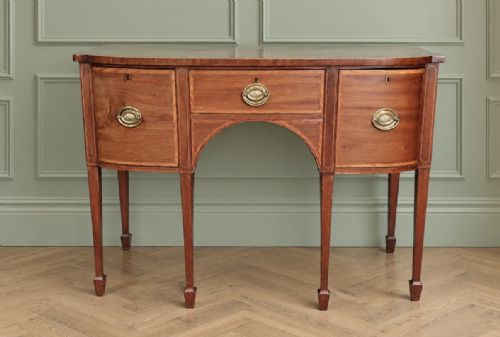
An 18th century style cabinet encompasses a wide variety of storage furniture originating from England, France, Italy, Portugal, and the Netherlands. Buyers encounter forms such as chests of drawers, display cabinets, sideboards, corner cabinets, bureaux, bookcases, and bedside tables.
The periods represented in these pieces stretch from the original 18th century through Georgian eras and into later revivals from the late 19th and early 20th centuries. These items offer traditional utility through bookcases, commodes, and cupboards designed for domestic storage.
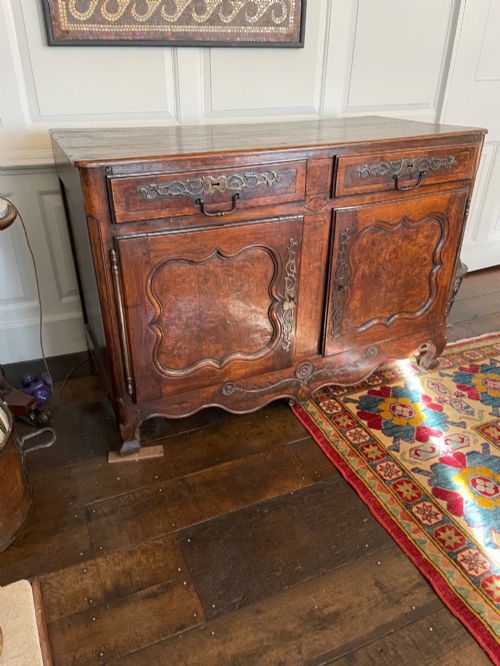
Regional variations introduce specific forms like the Dutch vitrine, the French buffet à deux corps, and the Maltese walnut chest. These regional examples reflect local tastes in timber selection and decorative treatments while maintaining practical storage functions.
Materials and Construction
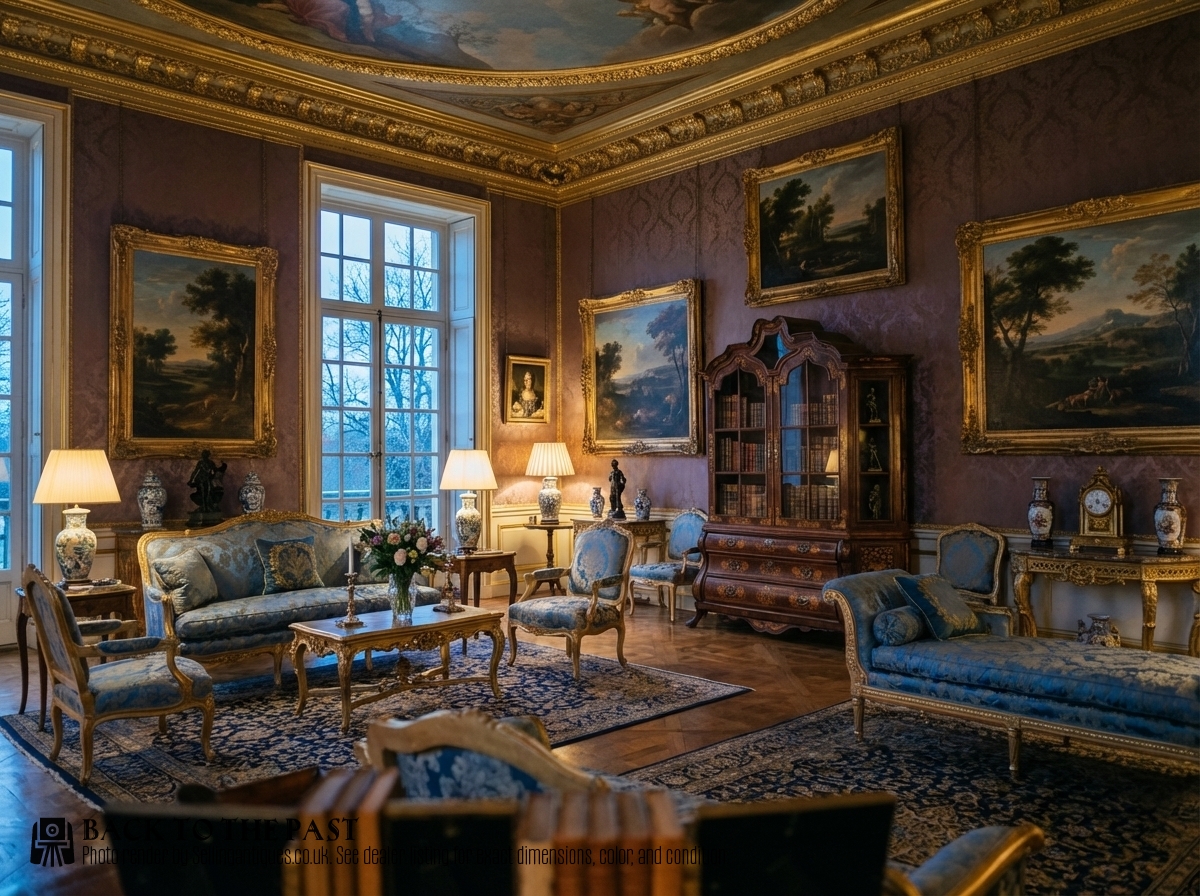
Cabinet makers utilised a rich palette of timbers including mahogany, walnut, oak, satinwood, rosewood, and burr elm. These hardwoods provided the structural integrity and stable surfaces required for intricate joinery and decorative veneering.
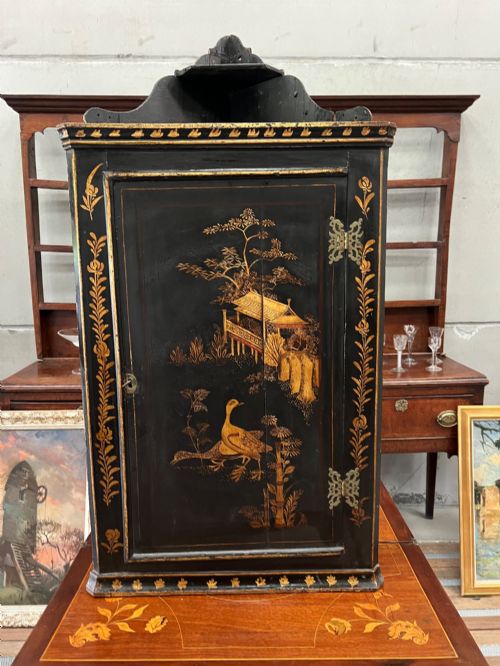
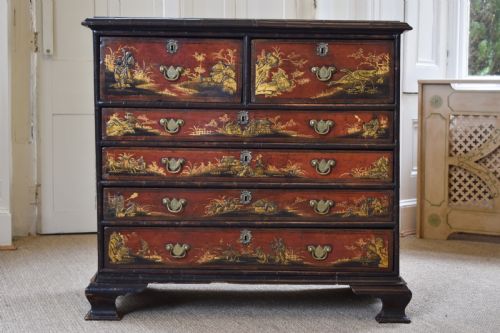
Surface ornamentation involved brass hardware, painted finishes, marquetry inlay, and black lacquer Chinoiserie. Craftsmen applied these decorative techniques to elevate the visual appeal of bookcases, commodes, and writing bureaux.
18th Century Style Cabinet Retail Price Guide 2026
Typical asking prices for 18th century style cabinet among the pieces listed under this phrase on Sellingantiques today, from the lower quarter to the upper quarter. They describe what is for sale here now, not the wider market.
Materials recorded across the inventory include mahogany, walnut, oak, brass, glass, satinwood, and lacquer.
Quality Variations
The standard of a piece depends heavily on the execution of its decorative elements, such as the precision of marquetry inlay and the depth of carved mahogany details. Finer examples display meticulous attention to proportion and harmonious timber selection across secondary surfaces.
Hardware choice and internal construction methods distinguish superior items from standard utility pieces. Original brass handles, well-fitted drawers, and intact glass panels indicate a higher grade of workshop production.
The 18th Century Style Cabinet Glossary
- Marquetry
- Decorative inlay using various wood veneers to create pictorial or geometric patterns on furniture surfaces. This technique adds considerable visual complexity to panels and drawer fronts.
- Commode
- A low chest of drawers or cabinet developed in France during the 18th century. These pieces often feature serpentine fronts and veneered walnut or kingwood.
- Bureau
- A sloping desk with a hinged flap that covers a fitted interior of small drawers and pigeonholes. Many examples combine this writing surface with a bookcase or chest of drawers below.
- Japanned
- European imitation of East Asian lacquerwork achieved through layered varnishes and raised metallic decoration. This finish appears frequently on 18th century corner cupboards and cabinets.
- Serpentine
- A furniture front characterised by a wavy outline featuring a convex centre flanked by concave curves. This shaping requires expert joinery and timber selection.
18th Century Style Cabinet: Frequently Asked Questions
Where should I place a corner cabinet?
A corner cabinet fits neatly into unused room junctions, transforming empty angles into functional display or storage space. These units suit dining rooms, living areas, or hallways where floor space is limited.
Tall floor-standing versions and wall-hung cupboards both offer secure storage for glassware or small objects while drawing the eye upward to architectural details.
How do I care for antique mahogany?
Maintain mahogany furniture by dusting regularly with a soft, dry cloth and avoiding placement near direct heat sources or strong sunlight. These precautions prevent the timber from drying out and the finish from fading.
Occasional applications of appropriate wax nourish the wood and preserve the natural sheen developed over centuries of handling.
What is a bureau bookcase?
A bureau bookcase combines a sloping desk compartment with upper shelving enclosed by doors. This dual-purpose form provides a dedicated writing surface alongside extensive storage for books and papers.
Such pieces functioned as the administrative centre of a traditional household, keeping correspondence and library collections neatly organised in one tall unit.
How can I tell different wood veneers apart?
Mahogany displays a reddish-brown tone with a straight or figured grain, whereas walnut exhibits darker brown shades with characteristic swirling patterns. Satinwood offers a pale, golden-yellow appearance with a lustrous sheen.
Examining the grain under good lighting helps identify the primary timber used in the construction of cabinets, commodes, and sideboards.