




18th Century Statuette
When you search for an 18th century statuette, you meet porcelain figures, carved wood, and gilt bronze models shaped by European kilns and workshops.
18th Century Statuette
An 18th century statuette brings together porcelain figures, decorative sculptures, and carved works shaped during the Georgian era and continental periods. You encounter allegorical subjects, mythological deities, actors, and pastoral characters drawn from daily life.
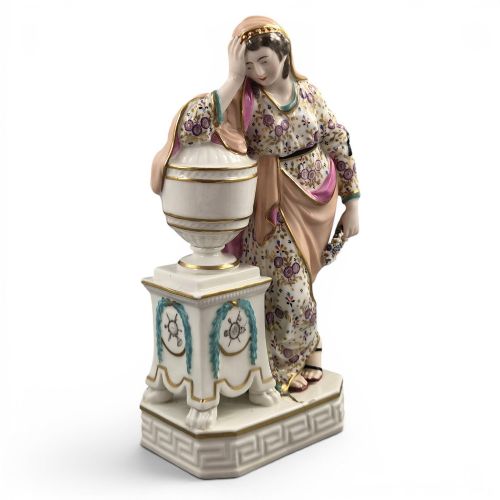
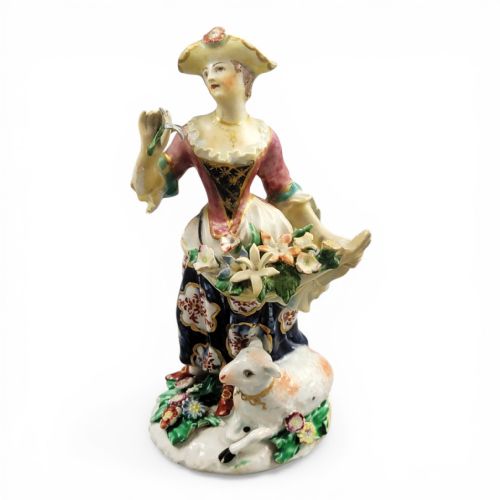
The versions most common on this page stem from English factories such as Derby and Bow, alongside continental porcelain works from Meissen, Ludwigsburg, and Fürstenberg. These pieces range from solitary street vendors and musicians to complex mythological figure groups.
Makers shaped these small sculptures to adorn tables, mantelpieces, and cabinets in grand houses. They capture the spirit of Rococo and Neoclassical design through modelled clay, carved boxwood, and cast bronze.
Materials and Technique
Potters shaped soft-paste and hard-paste porcelain using press moulds before hand-finishing details and applying enamel colours and gold leaf highlights. Biscuit porcelain underwent single or double firing without glaze to create a matte, marble-like texture favoured for classical subjects.
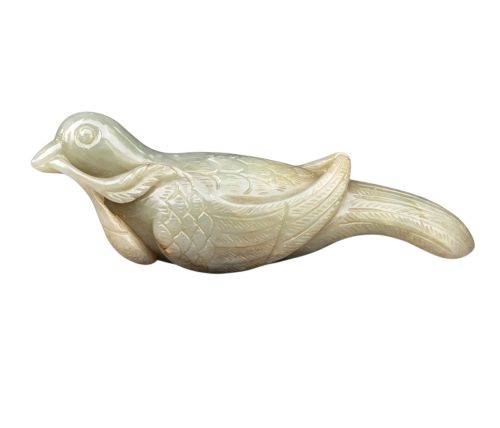
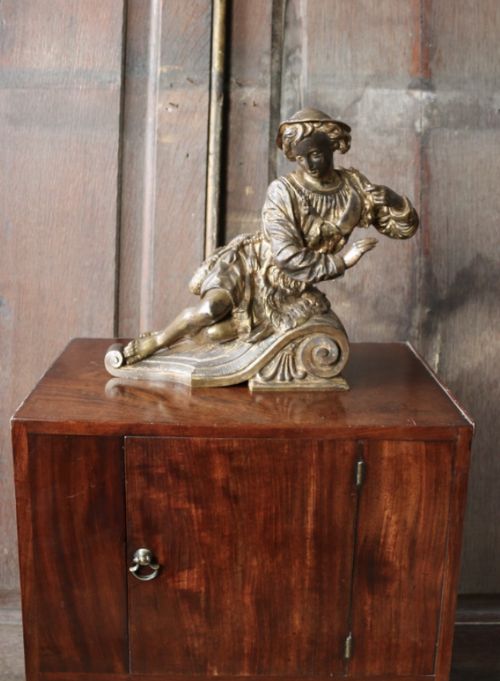
Carvers worked with boxwood, ivory, and jade, utilising precise hand tools to shape intricate folds in drapery and facial expressions. Founders cast bronze elements and applied fire gilding to create metallic statuettes and decorative andirons.
A porcelain rhesus monkey and child share space here with aristocratic musketeers and revolutionary figures.
Evaluating Craftsmanship
The skill of the original modeller dictates the fluidity of the posture and the natural fall of garments. Pieces produced from worn moulds exhibit softened details and heavy, unrefined lines.
Simon Troger·Gotthelf Greiner
The 18th Century Statuette Glossary
- Biscuit porcelain
- Unglazed porcelain fired to a matte finish that resembles white marble. This surface highlights fine sculptural detail without reflective glaze.
- Soft-paste porcelain
- An artificial porcelain body composed of glass and white clay, fired at lower temperatures than hard-paste. It yields a warm glow under glaze.
- Hard-paste porcelain
- A true ceramic composition of kaolin and petuntse fired at high temperatures. It produces a dense, bright white body impervious to liquid.
- Gilding
- The application of gold leaf or powdered gold suspended in medium to the surface of porcelain or bronze. It accents garments and architectural bases.
18th Century Statuette: Frequently Asked Questions
What materials make up these statuettes?
Makers used hard-paste and soft-paste porcelain, boxwood, ivory, jade, and gilt bronze.
These materials defined the output of European factories and independent carving workshops during the period.
Where were these figures originally displayed?
Wealthy owners placed them on dining tables as centrepieces, on mantelpieces, and inside specialised display cabinets.
They served as conversational ornaments reflecting classical education and pastoral appreciation.
How do I identify porcelain factories?
Factories marked their pieces with underglaze blue symbols, painted monograms, or impressed factory numbers on the base.
Stylistic traits in the modelling clay and colour palettes also point to specific kilns.
What subjects are most common?
Common subjects include allegorical representations of the seasons, figures from Greek and Roman mythology, and theatrical actors.
Street traders, musicians, and gardeners also appear frequently across English and German factories.