





English Rococo Figure
An English rococo figure captures the theatrical vitality of the eighteenth century in porcelain, offering collectors charming representations of classical deities, allegories, and rustic characters.
English Rococo Figure
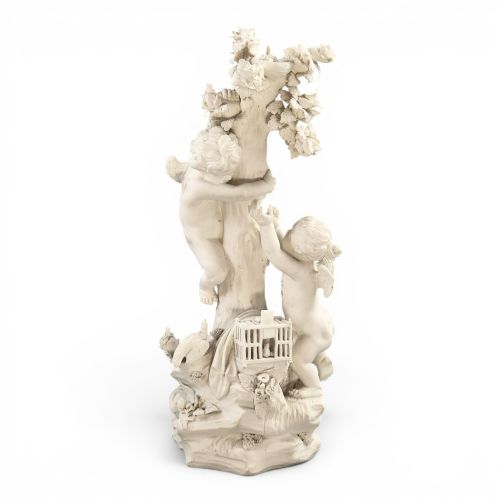
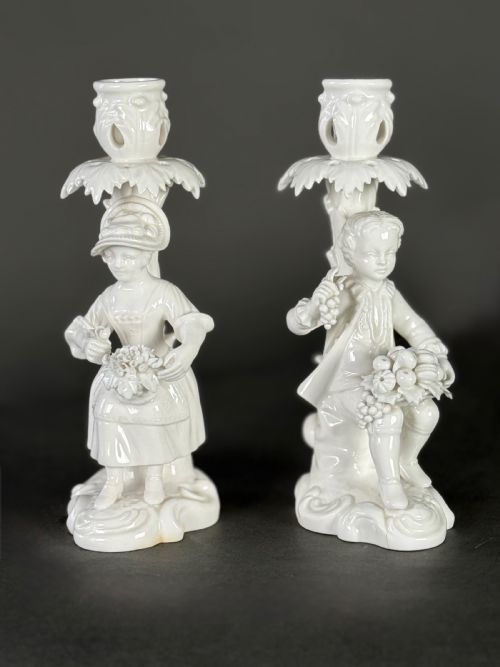
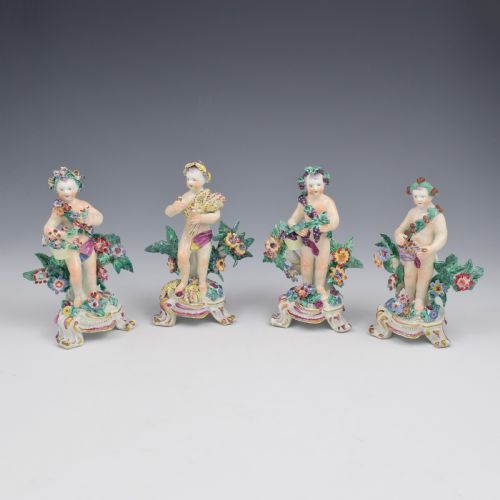
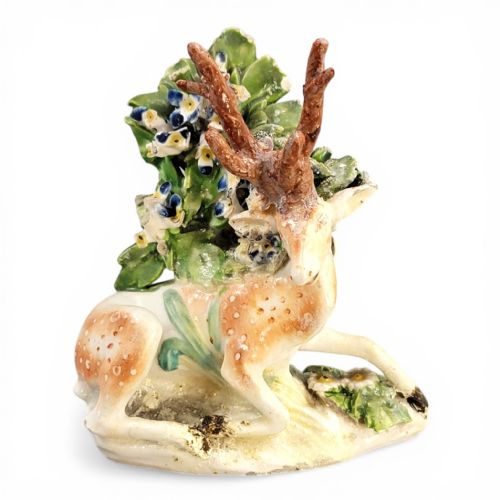
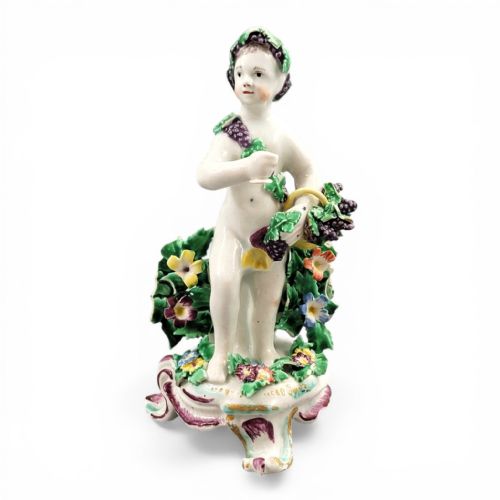
An English rococo figure takes the form of porcelain figurines, statuettes, and figural candlesticks depicting mythological subjects, allegories of the seasons or elements, and pastoral workers. These pieces originate primarily from eighteenth-century factories during the Georgian period, alongside later nineteenth-century revivals.
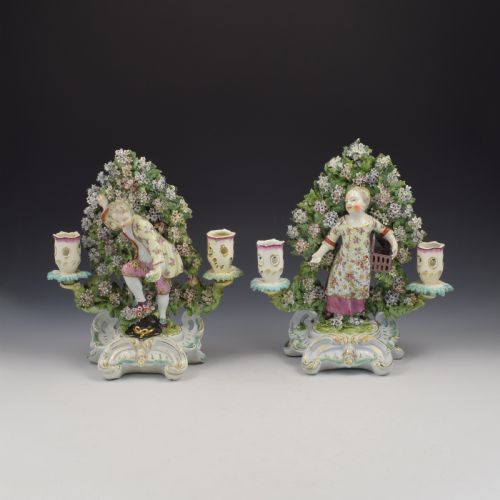
The most common examples encountered on this page are Derby and Bow productions from the seventeen-fifties and sixties, frequently modelled as putti, musicians, or shepherds surrounded by bocage foliage. Such works reflect the prevailing taste for asymmetrical scrollwork and lively naturalistic subjects translated into ceramic form.
Larger sculptural groups and pairs intended for mantelpiece display also appear, depicting complex narratives such as Father Time or classical deities with their attributes. These formations demonstrate the ambition of early English porcelain modellers working within the rococo idiom.
Materials and technique
Makers utilised soft-paste porcelain body mixtures shaped in moulds before receiving hand-applied details such as delicate applied flowers and leafy bocage backgrounds. The resulting greenware was fired, then painted with enamel colours and occasionally touched with gilding or gold leaf.
The glazing process often produced pooling and characteristic patch marks on the undersides of early Derby figures where supports rested in the kiln. Candlestick variants incorporated metal sconces fitted into moulded porcelain sockets designed to hold wax tapers securely.
Father Time pauses his scythe just long enough to clip Cupid's wings on ambitious table sculptures.
Assessing quality
The preservation of fragile applied elements like petals and musical instruments heavily influences the standing of a piece. Original glazing depth and the subtlety of polychrome enamel palettes further separate standard decorative items from masterworks.
Derby Porcelain·Bow Porcelain·Longton Hall·Chelsea Porcelain·Minton
The English Rococo Figure Glossary
- Bocage
- An ornamental background of applied ceramic leaves and branches wrapping around porcelain figures. This foliage imitates natural arbours popular in eighteenth-century garden design.
- Soft-paste porcelain
- A vitreous ceramic composition containing glass frit and white clays, fired at lower temperatures than hard-paste porcelain. It produces a warm translucent body receptive to enamels.
- Patch mark
- An unglazed circular blemish on the base of early figures caused by kiln supports. These marks indicate specific manufacturing periods in eighteenth-century English kilns.
- Putto
- A chubby male infant motif derived from classical art, frequently rendered with wings as cupid figures or allegorical attendants. They populate seasonal and element series.
- Gold anchor
- A factory mark painted in gold used by London and provincial potteries to designate high-grade productions. Its presence helps date wares to the peak neoclassical and rococo transition.
English Rococo Figure: Frequently Asked Questions
What are porcelain bocage figures?
Porcelain bocage figures are sculptural pieces backed by dense ceramic foliage representing leafy arbours. They were designed as decorative ornaments for Georgian interiors.
Derby and Bow factories produced many notable examples featuring musicians, shepherds, and allegorical characters framed by these elaborate floral branches.
How do I spot patch period pieces?
Patch period pieces display unglazed circular spots on their bases where ceramic props supported the soft body during kiln firing. These marks are typical of eighteenth-century Derby manufacturing.
Examining the underside reveals these technical scars left by the placement of triangular kiln furniture.
Were these figures used as candlesticks?
Many figural compositions incorporated functional sconces alongside the sculpted characters to hold wax candles on dining tables or mantelpieces. These dual-purpose items combined illumination with allegorical display.
Pairs of musicians or dancers frequently featured candle sockets emerging from the surrounding foliage or held within the figures' hands.
What is the difference between soft and hard paste?
Soft-paste porcelain contains artificial glass mixtures and white clays fired at moderate temperatures, yielding a softer glaze texture. Hard-paste porcelain uses true petuntse and kaolin stone fired at higher extremes.
English factories relied primarily on soft-paste recipes during the mid-eighteenth century before experimenting with hard-paste bodies later on.