




Antique Porcelain Musician Figures
These antique porcelain musician figures capture centuries of modelled melody, bringing eighteenth-century bagpipers and Victorian players directly to your mantelpiece.
Antique Porcelain Musician Figures
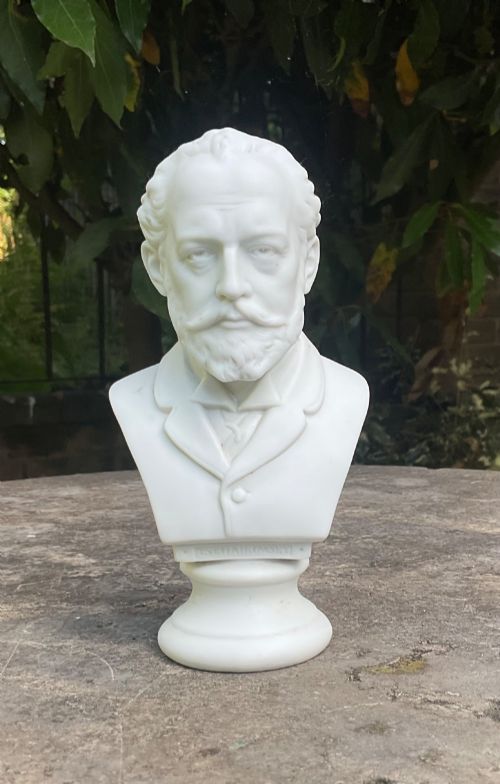
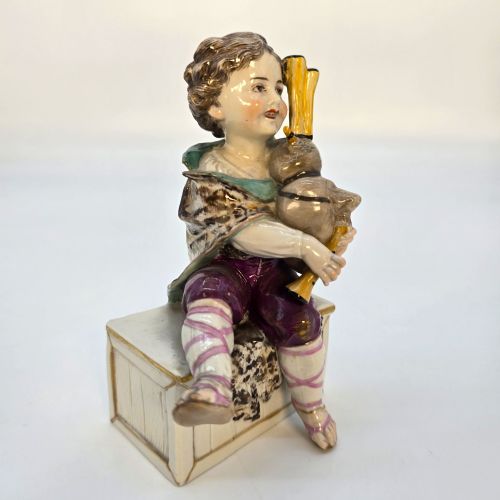
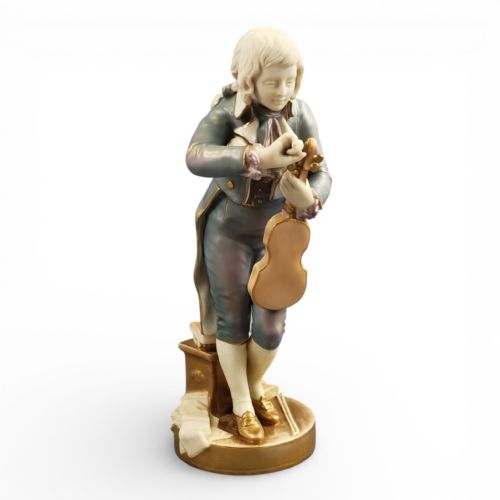
When you search for antique porcelain musician figures, you are looking at modelled representations of players with instruments such as bagpipes, hurdy-gurdies, drums and mandolins. These objects range from eighteenth-century English and continental figures to nineteenth-century revival groups.
You are most likely to meet figures originating from factories such as Derby, Meissen and Volkstedt, alongside later Staffordshire earthenware and Royal Worcester productions. They appear as single figurines, paired candlestick figures, and elaborate groups seated in ormolu candelabra.
The subjects span pastoral bagpipers with dogs, eighteenth-century gallants, and Egyptian musicians, reflecting changing tastes across Georgian, Victorian and Edwardian periods.
What varies in quality
The application of enamel and gilding dictates visual depth. Richly enamelled surfaces and carefully preserved gold leaf reflect the care taken during painting and firing.
Listings feature hard-paste porcelain, soft-paste porcelain, enamel, gold leaf, and earthenware across Georgian, Victorian, and Edwardian periods.
Volkstedt Rudolstadt Factory·Meissen·Derby·Royal Worcester·Samson Paris·Fürstenberg·Bow·Eichwald Royal Dux
The Antique Porcelain Musician Figures Glossary
- Bocage
- An ornamental background of applied foliage and leaves. It frames eighteenth-century and revival figures.
- Bisque
- Unglazed white porcelain that has been fired once. It presents a matte, marble-like surface texture.
- Soft-paste porcelain
- An artificial porcelain composition fired at lower temperatures. It produces a warm body common in early English factories.
- Hard-paste porcelain
- A true porcelain made from kaolin and petuntse fired at high temperatures. It yields a durable, vitrified body.
- Ormolu
- Gilded bronze used for mounts and candelabra bases. It frames figures from the eighteenth century onwards.
Antique Porcelain Musician Figures: Frequently Asked Questions
What instruments do these figures hold?
The figures frequently hold bagpipes, hurdy-gurdies, drums, mandolins and flutes. These instruments reflect the pastoral and gallant themes popular among European porcelain factories.
Bagpipes and hurdy-gurdies appear regularly on eighteenth-century Derby and Meissen models, while later Victorian pieces depict diverse regional players.
How do I identify eighteenth-century pieces?
Eighteenth-century examples often display early factory characteristics such as patch marks, anchor daggers, or distinctive paste compositions. The modelling tends to show sharper pastoral detailing rooted in Rococo styles.
Later nineteenth-century pieces frequently imitate these earlier forms, making factory marks and paste analysis essential for dating.
Where were these musician figures made?
Production centres span Germany, France and England. Major continental factories include Meissen and Volkstedt, while English output centres on Derby, Bow and Worcester.
Staffordshire potteries also produced earthen figures, and French makers like Samson created detailed revival pieces.
How should I display porcelain figures?
Display them in stable cabinets away from direct sunlight to protect the enamel colours and gold leaf. Candlestick figures and groups with delicate bocage require secure placement.
Ensure ambient temperatures remain steady to prevent stress on glazed and bisque surfaces.