


Georgian Porcelain Candlestick Figures
Georgian porcelain candlestick figures combine functional lighting with sculptural drama, bringing eighteenth-century ceramic art directly into your home.
Georgian Porcelain Candlestick Figures
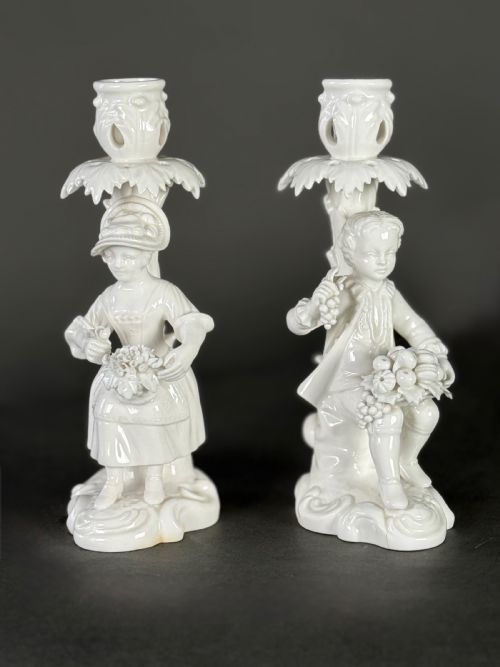
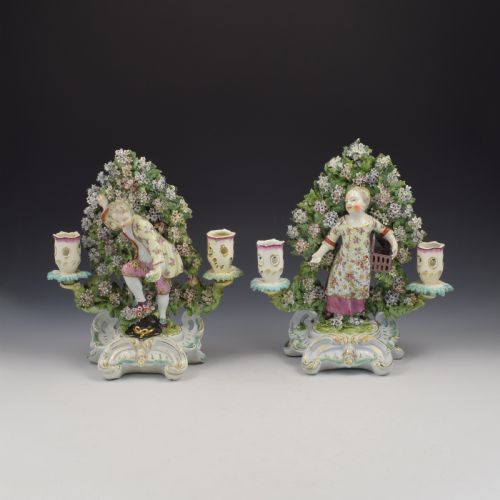
These georgian porcelain candlestick figures depict musicians, children, dancers, and animals interwoven with botanical foliage known as bocage. They serve as both ornamental sculptural groups and practical candle holders designed for dining tables or mantelpieces.
You will most frequently encounter pairs originating from the eighteenth century, particularly soft-paste and hard-paste creations from factories like Derby. Figures modelled as allegorical characters or musicians dominate the selection available to collectors today.
The forms range from single standing figures beside sconces to complex multi-figural pastoral scenes framed in elaborate scrolled bases. Each piece marries the delicate art of porcelain figure modelling with the domestic utility of lighting.
How they were made
Potters shaped these figures using soft-paste or hard-paste porcelain, moulding the intricate bodies and delicate floral backgrounds separately before assembly. Kiln firing fixed the form before artisans applied polychrome enamel colours and gold leaf highlights.
The characteristic bocage background required meticulous hand-application of applied leaves and blossoms behind the central figures. Glazing sealed the surface, providing the glossy finish seen on pieces incorporating gilt bronze or ormolu mounts.
Listings feature soft-paste porcelain, hard-paste porcelain, enamel, and gold leaf across the eighteenth and nineteenth centuries.
What varies in quality
The complexity of the surrounding bocage foliage influences the artistic ambition of the manufacture, with dense, multi-layered leaves showing greater sculptural mastery. Preservation of the fragile porcelain petals and original gilding also marks the finer specimens.
Derby·Chelsea·Minton·Bow·Meissen
The Georgian Porcelain Candlestick Figures Glossary
- Bocage
- An ornamental background of applied porcelain leaves and flowers that frames the central figures. This background mimics natural foliage and frequently surrounds eighteenth-century models.
- Soft-paste porcelain
- An artificial ceramic body fired at lower temperatures than hard-paste porcelain. It produces a warm, creamy glaze appearance typical of early English factories.
- Ormolu
- Gilded bronze used for decorative mounts and stands. It frequently frames European porcelain figures to enhance their status.
- Patch-mark
- A small unglazed scar on the underside of early Derby figures caused by the kiln supports during firing. This mark helps verify the production period.
- Sconce
- The metal or porcelain cup at the top of the candlestick that holds the candle in place. It forms an integral part of the lighting apparatus.
Georgian Porcelain Candlestick Figures: Frequently Asked Questions
Are these candlesticks safe to use?
While these pieces were originally created for functional illumination with wax candles, their age and fragility mean modern use is generally discouraged. Displaying them safely as decorative objects preserves their delicate porcelain and enamel surfaces.
Using them for lighting risks heat damage to the antique glaze and potential wax staining on the porous ceramic body. Most collectors prefer to exhibit them unlit within secure cabinets or on stable mantelpieces.
How do I identify a Derby figure?
Derby figures often feature characteristic patch-marks on the base and sophisticated rococo scrollwork embellished with gilding. The subjects frequently include pastoral musicians, dancers, or allegorical children framed by leafy bocage.
Examining the paste and enamel palette further helps distinguish Derby output from contemporary factories like Chelsea or Bow. The factory produced notable hard-paste and soft-paste variations throughout the eighteenth century.
What is bocage porcelain?
Bocage refers to the pierced arbor of porcelain leaves and blossoms that surrounds the main figures in these compositions. This decorative element adds a sense of lush, natural scenery behind the human or animal subjects.
Because the leaves are extremely thin and brittle, surviving bocage pieces often show expert restoration or minor losses. The complexity of this foliage indicates the skill level of the original ceramic workshop.
How do I date an antique candlestick?
Dating relies on examining the characteristics of the porcelain paste, the style of the clothing, and the design motifs of the base. Eighteenth-century examples often display asymmetrical rococo scrolls, while nineteenth-century revivals adopt heavier or more regular forms.
Factory marks, when present, provide a direct clue to the decade of manufacture. Comparing the modelling style to authenticated museum pieces confirms the production era.