


18th Century Silver Table
When you search for an 18th century silver table, you enter a domain of refined timber furniture designed to support tea service and display precious items.
18th Century Silver Table
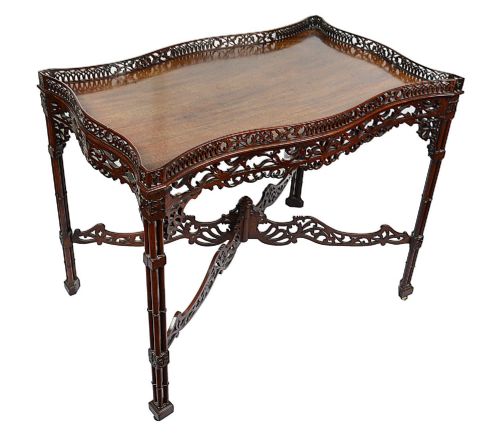
An 18th century silver table encompasses versatile occasional furniture pieces constructed during the Georgian period, including examples from the reigns of George I, George II, and George III. These items functioned as display surfaces for silver objects, tea wares, or small valuables in elite domestic interiors.
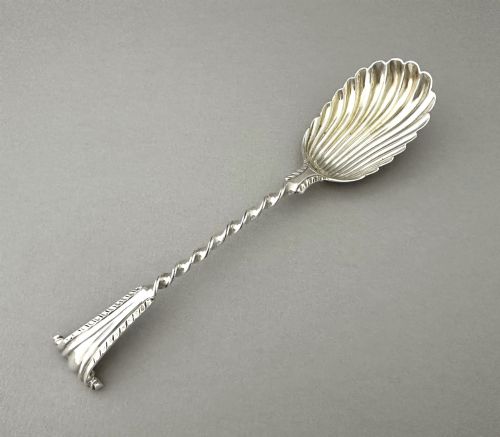
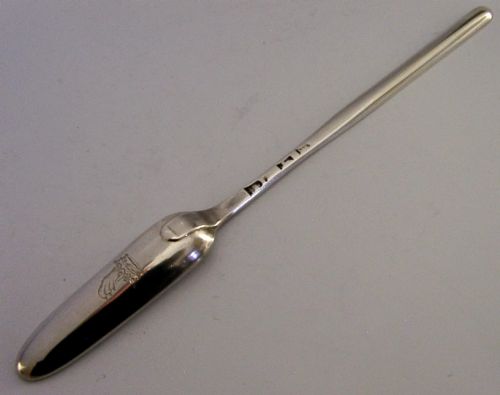
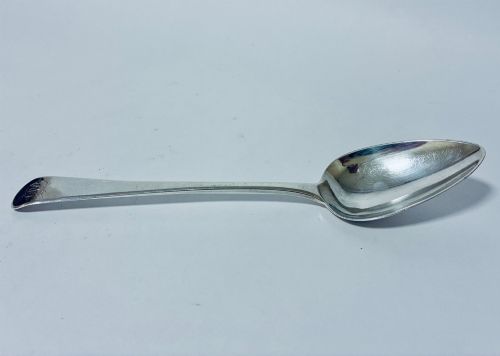
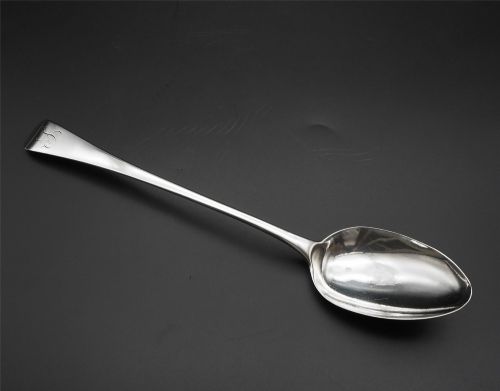
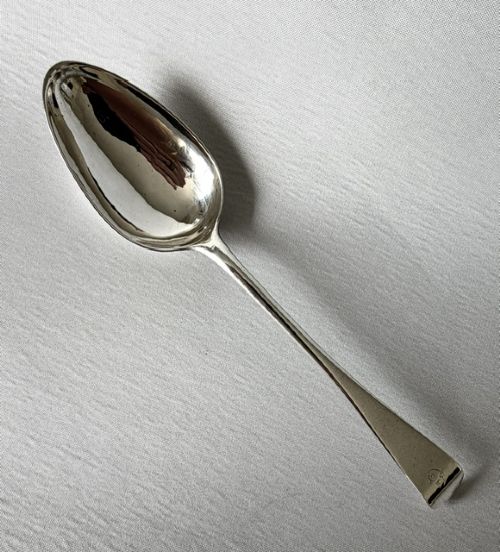
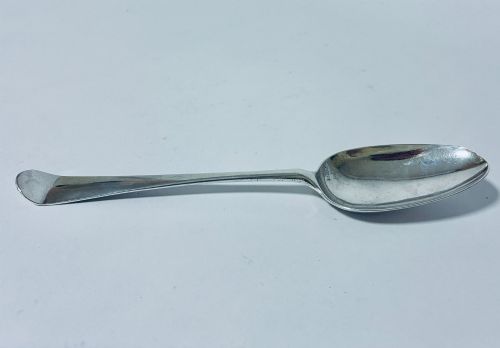
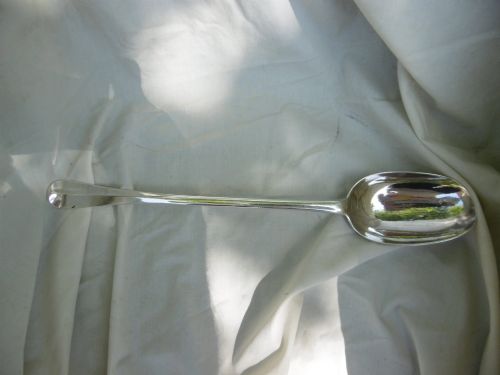
The dominant forms appearing across these records include mahogany and walnut side tables, tray top tables, and console tables featuring distinctive stylistic influences such as Chippendale and Rococo. Alongside wooden furniture, the search encompasses silver table flatware and serving spoons designated by period hallmarks.
Makers and regional workshops from England, Ireland, Scotland, and the Netherlands shaped this category, producing both central standing furniture and specialised presentation tables. Buyers encounter a mix of timber occasional tables and solid silver tableware sharing the same period designation.
Materials and Construction Techniques
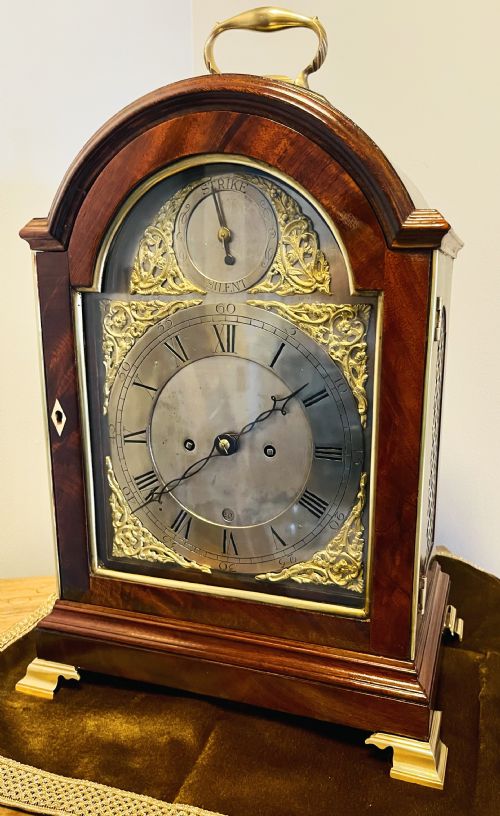
Cabinet makers utilised dense hardwoods like Cuban mahogany and walnut to build structural frames, frequently employing cabriole legs and tray tops to secure objects from slipping. Marquetry inlay, carving, and gilding decorated European variants, particularly Dutch and Italian console forms.
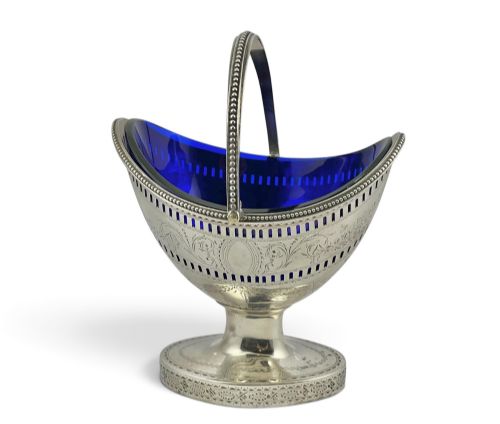
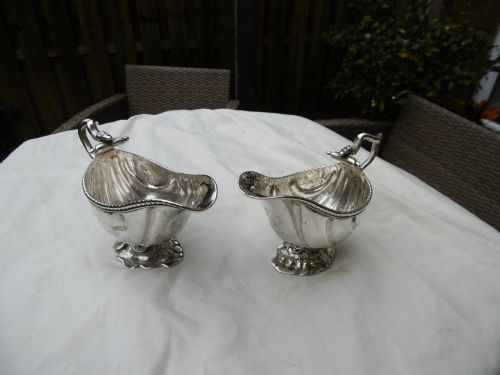
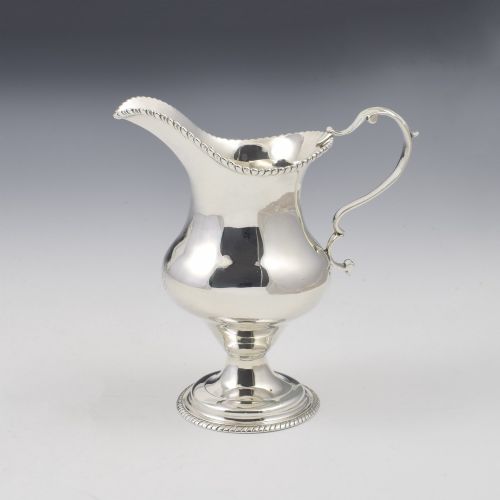
Silversmiths and plate workers manufactured related items using sterling silver, Britannia standard silver, and Old Sheffield Plate over copper bases. Hallmarking traditions stamped onto spoons, cruets, and baskets recorded the assay office, maker, and year of production.
18th Century Silver Table Retail Price Guide 2026
Typical asking prices for 18th century silver table among the pieces listed under this phrase on Sellingantiques today, from the lower quarter to the upper quarter. They describe what is for sale here now, not the wider market.
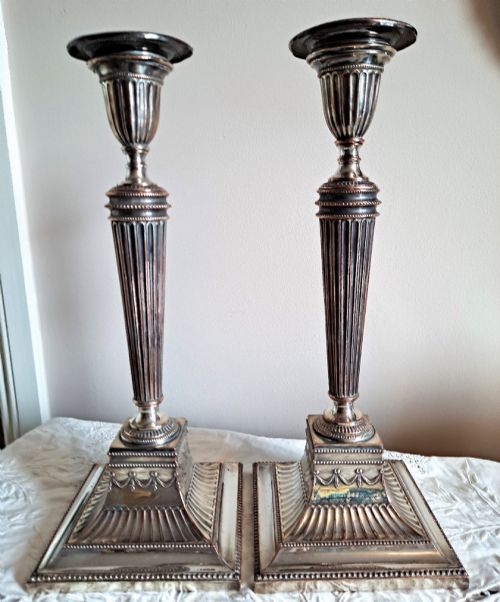
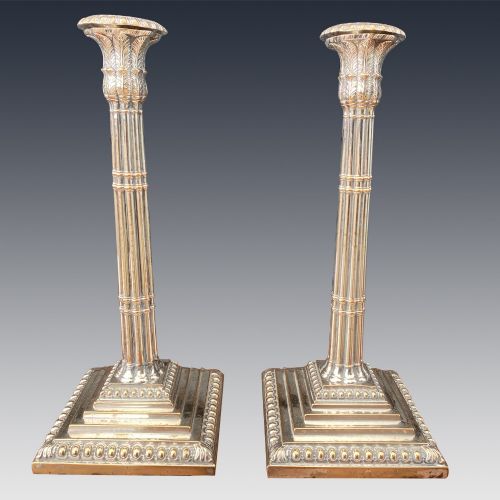
Listings combine walnut and mahogany occasional furniture with sterling silver flatware, cruet sets, and Old Sheffield Plate candelabra.
Assessing Quality and Authenticity
Quality rests in the crispness of timber carving, the integrity of original joints, and the survival of untouched wood surfaces without excessive modern restoration. Timber selection, such as figured solid walnut or rich Cuban mahogany, dictates the prestige of the piece.
For silver components, clear and legible maker's marks alongside crisp hallmarks elevate the standing of spoons, casters, and hollowware. The precision of marquetry work and the weight of cast mounts distinguish standard workshop production from master outputs.
Andrew Archer·Matthew Boulton·John Cafe·David Hennell·William Scarlett·Stalker & Mitchison·William Robertson·Hester Bateman
The 18th Century Silver Table Glossary
- Cabriole leg
- A furniture leg curving outward at the knee and inward at the ankle, mimicking animal limbs in typical Georgian design. This form frequently terminates in pad or claw and feet.
- Tray top
- A raised rim edging the upper surface of a table to prevent teacups or silver items from sliding off during use. It is carved from solid timber or applied as a separate moulding.
- Old Sheffield Plate
- A composite material formed by fusing a sheet of silver to a thicker copper base under heat and pressure. It emerged in the mid eighteenth century for tableware production.
- Britannia standard
- A higher purity standard of silver introduced by English statute, containing ninety-five point eight percent pure silver. Items made under this standard bear specific figure hallmarks.
- Rat tail
- A strengthening spine extending from the handle down the back of a spoon bowl, common on early eighteenth century flatware. It reinforces the junction between handle and bowl.
18th Century Silver Table: Frequently Asked Questions
What is an 18th century silver table used for?
These tables served primarily as elegant surfaces for holding tea service equipment, porcelain, or silver items in wealthy homes. They functioned both as mobile tea tables and stationary display consoles.
Over time, their raised edges and occasional table formats allowed owners to exhibit valuable silverware safely during social gatherings and afternoon tea rituals.
How do you identify a Georgian silver table?
Identification relies on examining the timber species, structural proportions, and decorative motifs such as Rococo carving or Chippendale bracket designs. Walnut and mahogany were the predominant woods utilised during this era.
Original tables exhibit period construction methods, hand-cut dovetails, and surface patination consistent with eighteenth century cabinet making traditions.
What is the difference between a silver table and a tea table?
While the terms frequently overlap in historical records, a silver table specifically designates furniture built to display silver or serve tea from silver vessels. Many feature raised tray tops to keep pieces secure.
Standard tea tables often shared similar dimensions but occasionally lacked the deep moulded rims or decorative carving associated with dedicated silver display furniture.
Where were Dutch silver tables made?
Dutch tables from this period originated in urban workshops influenced by continental Rococo aesthetics and intricate marquetry traditions. Makers incorporated floral and bird motifs across walnut and mahogany surfaces.
These continental pieces often display distinctive console forms or gilt decoration that separate them from simpler English brown furniture counterparts.