


18th Century Punch Bowl
An 18th century punch bowl brings the grand scale of Georgian hospitality straight to the table, mixing porcelain and earthenware with silver ladles.
18th Century Punch Bowl
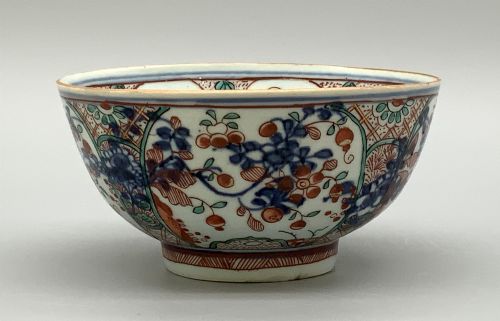
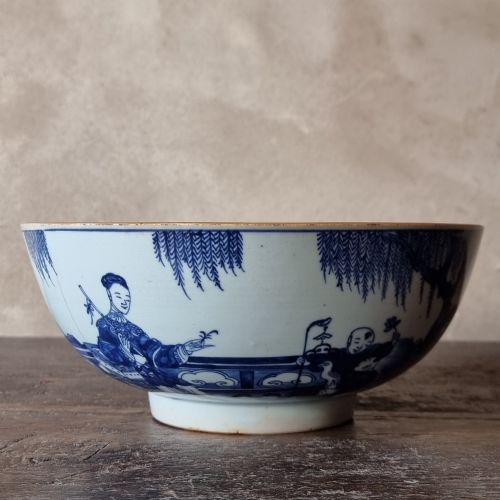
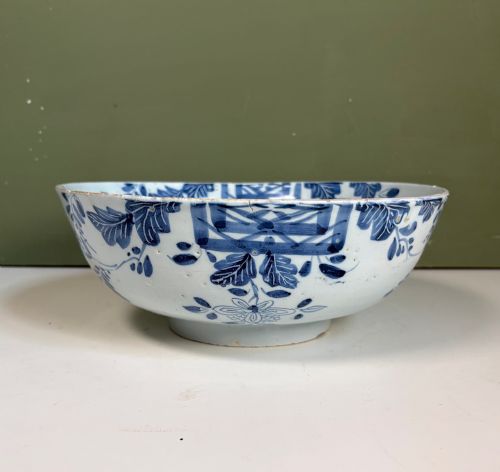
The 18th century punch bowl stands as the centrepiece of period entertaining, designed to hold large volumes of mixed spirits and citrus for gatherings. Buyers searching this phrase meet substantial vessels in porcelain, tin-glazed earthenware, and brass, spanning English, Chinese, and European workshops.
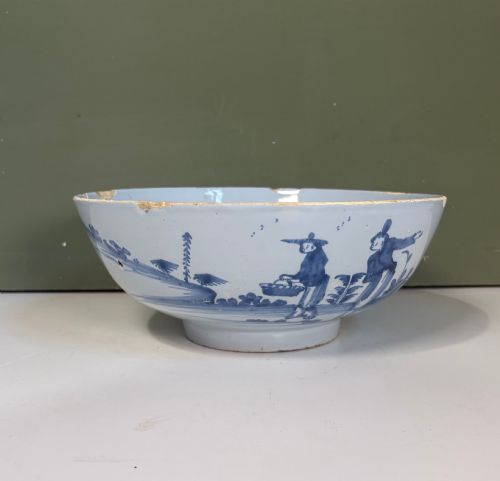
The Chinese export porcelain examples show intricate armorial and famille rose painting, whilst English and Dutch delftware offers bold blue and white decoration on earthenware bodies. Alongside the bowls themselves, the listings include silver and treen toddy ladles as well as monteiths.
Most pieces date firmly across the Georgian period, utilising styles from Qing Dynasty export wares to provincial Delftware. These vessels served communal drinking rituals, passing from hand to hand during supper parties and club meetings.
Materials and construction
Potters shaped these bowls using porcelain clay, tin-glazed earthenware, or brass, firing them in kilns before applying hand-painted tin glazes, enamel, or gold leaf. Chinese export pieces relied on fine-grained hard-paste porcelain, while English and continental counterparts typically used softer earthenware bodies covered in a white opaque tin glaze.
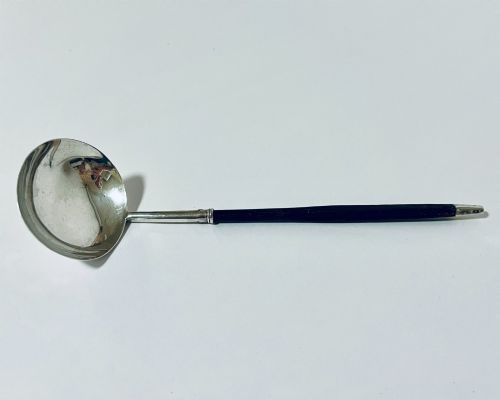
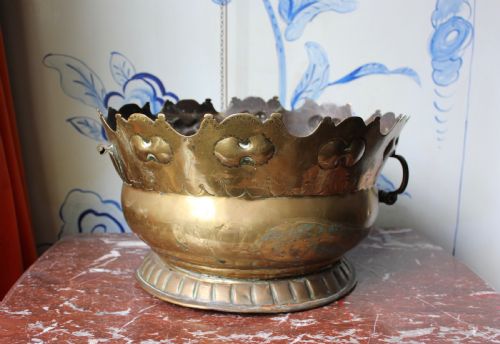
Metal vessels such as silver and brass monteiths involved raising and hammering sheet metal, often incorporating cast handles or pierced rims designed to hold wine glasses by their stems. Ladles combined silver bowls with twisted whalebone, horn, coquilla nut, or treen handles to insulate against the warmth of the brew.
Listings span tin-glazed earthenware, porcelain, sterling silver, gold leaf, and coquilla nut across the 17th, 18th, and Georgian periods.
Assessing quality and execution
Quality rests upon the crispness of the hand-painted decoration, the stability of the glaze, and the weight of the metal used in the associated ladles and monteiths. Superior porcelain bowls display precise brushwork in famille rose or Imari palettes, whilst lesser examples show blurring in the cobalt blue or uneven tin glazes.
The integrity of the body shape and the presence of original armorial crests or detailed armorial painting elevate certain export pieces above standard domestic wares. In silver ladles, crisp hallmarks, substantial grams of silver, and intact organic handles mark the higher tiers of craftsmanship.
James Giles·Michael Smith
The 18th Century Punch Bowl Glossary
- Armorial porcelain
- Chinese export porcelain painted with a European family coat of arms. These bespoke commissions were ordered by wealthy patrons through the East India companies.
- Monteith
- A type of punch bowl featuring a scalloped or notched removable rim. The rim held wine glasses by their bases with the bowls hanging inside to chill.
- Toddy ladle
- A small serving utensil with a shallow bowl and a long handle. They were used to ladle punch or hot toddy from the bowl into smaller cups.
- Famille rose
- A palette of opaque enamels dominated by pink or rose colours, introduced to Chinese porcelain during the Qing Dynasty.
18th Century Punch Bowl: Frequently Asked Questions
What was a punch bowl used for?
These large vessels held communal punch made from a mix of spirits, water, citrus juice, and spices during 18th century social gatherings. Guests served themselves directly from the bowl using matching ladles.
They sat centrally on dining tables or sideboards, functioning as both functional serving items and displays of wealth and hospitality.
How do I clean an antique punch bowl?
Dust gently with a dry, soft cloth and avoid submerging fragile earthenware or pieces with delicate enamels in water for long periods. Harsh modern detergents can strip historic glazes and gilding.
Silver ladles benefit from occasional gentle polishing with a non-abrasive cloth, keeping polish away from organic handles like treen or coquilla nut.
Were monteiths used differently from standard bowls?
Monteiths featured notched rims that allowed glass rinsers or wine glasses to hang securely inside the bowl before the punch was poured. Once the glasses were removed, the rim could be lifted off to serve the drink directly.
Standard bowls remained open at the rim without detachable collars, serving purely as liquid containers.